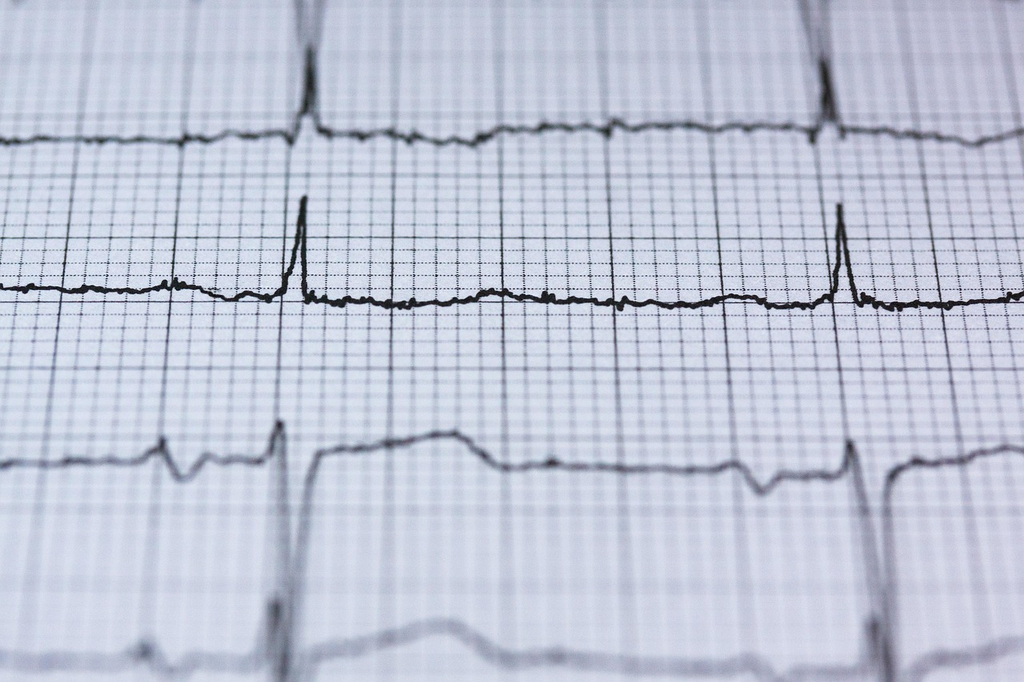
Heart rate monitoring technology refers to devices and methods used to measure and track the heart’s beats per minute, providing valuable insights into physical health and stress levels. These technologies often use sensors to detect signals from the body, such as pulse from the wrist or electrical activity from the heart. Additionally, some innovations analyze complementary body signals, including eye movements or pupil changes, offering a comprehensive understanding of a person’s overall physiological state.
Heart Rate Monitoring Technology
Heart rate monitoring technology refers to devices and methods used to measure and track the heart’s beats per minute, providing valuable insights into physical health and stress levels. These technologies often use sensors to detect signals from the body, such as pulse from the wrist or electrical activity from the heart. Additionally, some innovations analyze complementary body signals, including eye movements or pupil changes, offering a comprehensive understanding of a person’s overall physiological state.

💡 Key Takeaways
- Understand how heart rate monitoring devices detect and measure pulse signals
- Learn the difference between optical (wrist/ear) sensors and chest strap ECG-style monitoring
- Recognize common factors that affect accuracy, such as motion, skin contact, and fit
- Know how to interpret heart rate data for workouts, recovery, and general wellness
- Discover key features to look for, including alerts, zones, and battery/performance considerations
❓ Frequently Asked Questions
What is heart rate monitoring technology?
It’s technology that measures and tracks how fast your heart beats (beats per minute) to help assess physical condition and stress levels.
How do wearable heart rate monitors detect pulse?
Many devices use sensors (such as optical sensors on the wrist) to detect blood flow changes under the skin and convert them into heart rate readings.
What body signals can heart rate monitoring technologies use?
Common signals include pulse from the wrist and, in some systems, electrical signals from the body to help estimate or measure heart activity.
Can heart rate monitoring help measure stress?
Yes. Changes in heart rate (and sometimes related patterns) can reflect stress or recovery, especially when paired with context like activity level and breathing.
Are heart rate readings always perfectly accurate?
Not always. Motion, poor sensor contact, skin differences, and certain conditions can affect accuracy, so it’s best used for trends rather than single measurements.