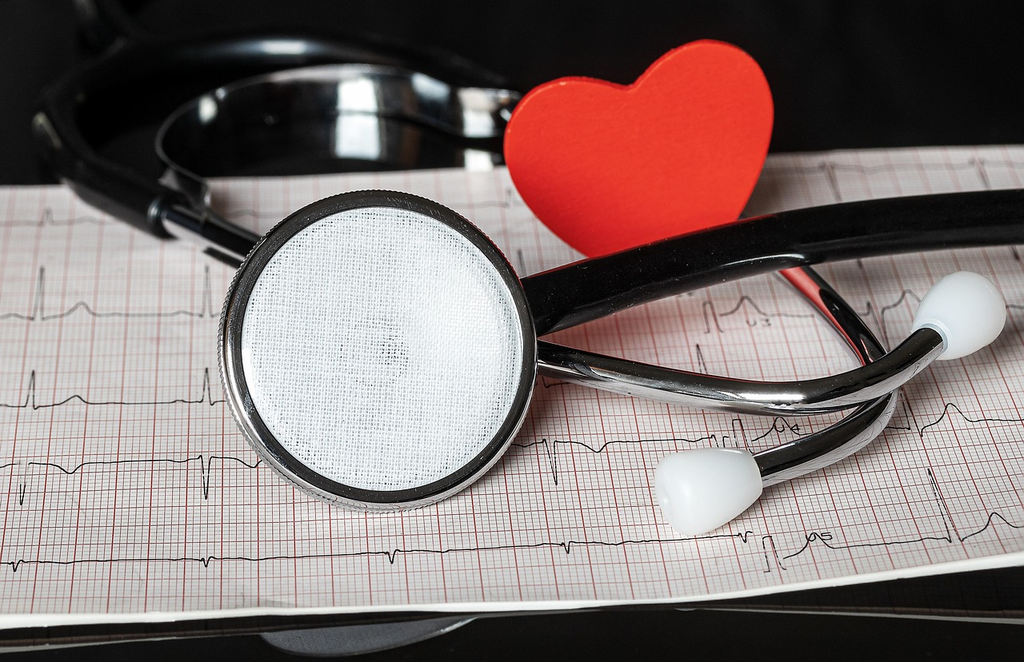
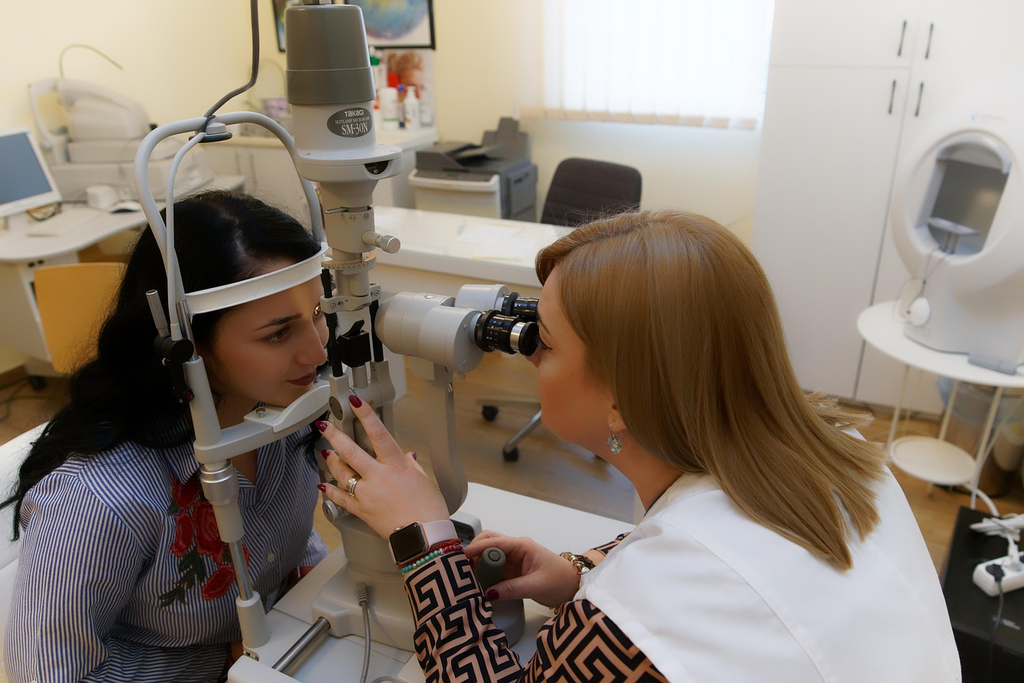
"Heartbeat Basics (Body Signals (Eyes & Hearts))" refers to the fundamental understanding of how the heart's rhythm communicates vital information about our health. The heartbeat acts as a crucial body signal, indicating emotional states, stress, or physical exertion. Alongside, the eyes can reveal changes in blood flow or alertness, complementing heart signals. Together, these body signals help in monitoring overall well-being and detecting potential medical conditions early.
Heartbeat Basics+50
"Heartbeat Basics (Body Signals (Eyes & Hearts))" refers to the fundamental understanding of how the heart's rhythm communicates vital information about our health. The heartbeat acts as a crucial body signal, indicating emotional states, stress, or physical exertion. Alongside, the eyes can reveal changes in blood flow or alertness, complementing heart signals. Together, these body signals help in monitoring overall well-being and detecting potential medical conditions early.
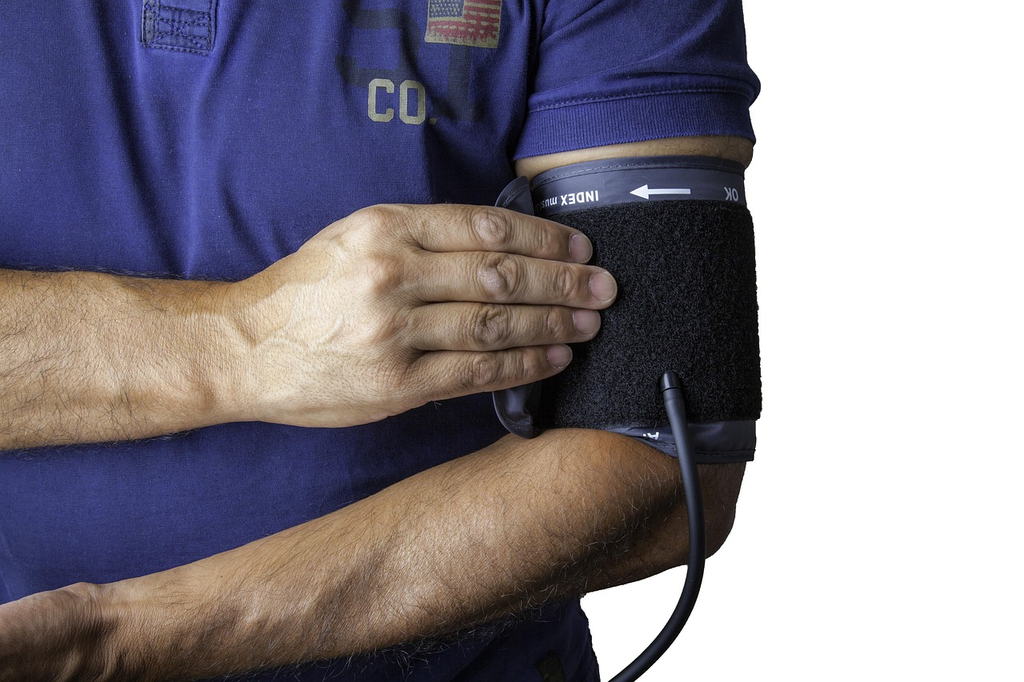
💡 Key Takeaways
- Understand how the heart's structure and electrical system create a heartbeat.
- Recognize normal resting heart rate ranges and how activity affects it.
- Learn how to measure heart rate and interpret beats-per-minute (BPM) numbers.
- Identify factors that influence heart rate and practical tips to support heart health.
❓ Frequently Asked Questions
What is a heartbeat?
The heartbeat is the heart’s rhythmic contraction and relaxation that pumps blood through the body, driven by electrical impulses.
What is a normal resting heart rate for adults?
Typically 60–100 beats per minute at rest; lower values can be normal for athletes or very fit individuals.
What controls the heartbeat?
The heart’s electrical system, led by the sinoatrial (SA) node, which acts as the natural pacemaker and coordinates atrial and ventricular contractions.
What are systole and diastole?
Systole is the heart’s contraction phase that pumps blood out; diastole is the relaxation phase when the heart fills with blood.