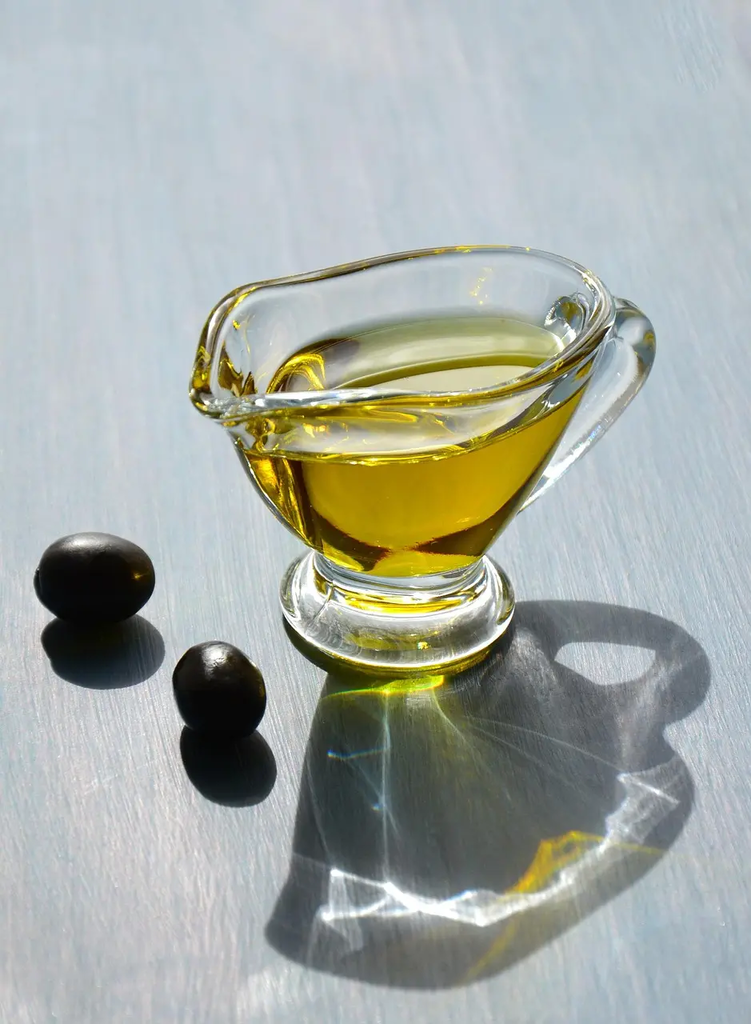
"Herbal Remedies for Beginners (Healing)" refers to the use of natural plants and herbs to promote health and treat minor ailments, tailored for those new to herbal medicine. It involves learning about various herbs, their healing properties, methods of preparation, and safe usage. Beginners are guided to use simple, accessible remedies to support wellness, emphasizing gentle, natural healing and fostering a deeper connection with nature’s resources.
Herbal Remedies for Beginners
"Herbal Remedies for Beginners (Healing)" refers to the use of natural plants and herbs to promote health and treat minor ailments, tailored for those new to herbal medicine. It involves learning about various herbs, their healing properties, methods of preparation, and safe usage. Beginners are guided to use simple, accessible remedies to support wellness, emphasizing gentle, natural healing and fostering a deeper connection with nature’s resources.
💡 Key Takeaways
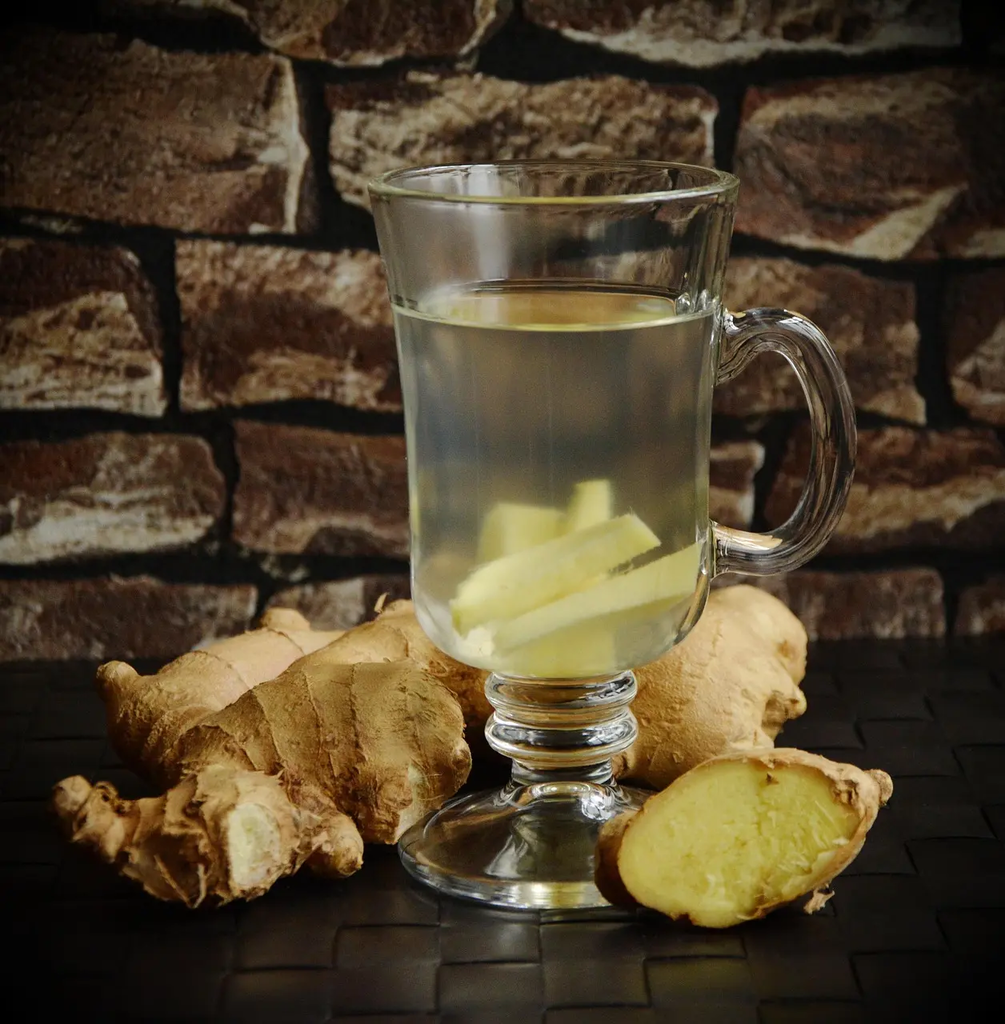
- Identify beginner-friendly herbs and their common uses (e.g., chamomile for sleep, peppermint for digestion, ginger for nausea).
- Learn safe preparation methods for everyday use, such as making simple herbal teas and infusions.
- Understand how to source, store, and assess the quality and freshness of dried herbs.
- Know basic safety considerations: potential allergies, interactions with medications, and when to avoid use (e.g., during pregnancy or for young children).
- Create a simple starter plan: select a few herbs to try, keep a small herb journal, and know when to consult a professional.
❓ Frequently Asked Questions
What are herbal remedies?
Herbal remedies use plants or plant parts to support health. They can be prepared as teas (infusions and decoctions), tinctures, oils, salves, or capsules, and are commonly used for everyday minor concerns.
How do I start as a beginner with herbal remedies?
Begin with reputable sources and a few common herbs (e.g., chamomile, peppermint, ginger). Learn safe dosages, start with small amounts, and consult a healthcare professional if you take medications or have pregnancy, breastfeeding, or chronic health conditions.
What is the difference between an infusion, a decoction, and a tincture?
Infusion: steep delicate herbs in hot water (like tea). Decoction: simmer tougher parts (roots, bark). Tincture: soak herbs in alcohol (or glycerin) to extract compounds. Each method yields different strength and shelf life.
How can I use herbal remedies safely?
Start with low doses, watch for allergic reactions, avoid herbs with known contraindications in pregnancy or with certain medications, and store herbs in a cool, dry place. When unsure, seek professional guidance.