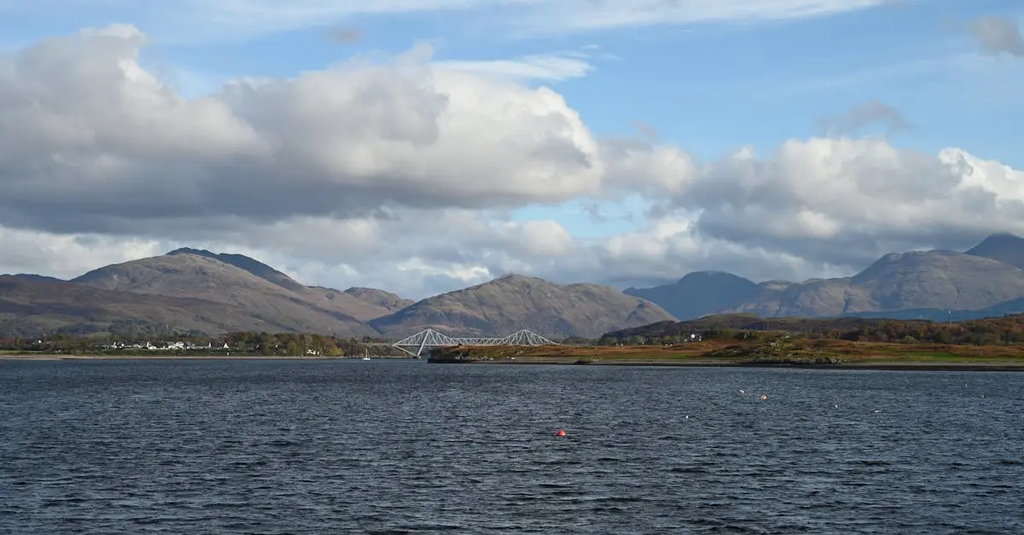
Highlands and Islands foodways refer to the traditional culinary practices, ingredients, and eating habits unique to the Scottish Highlands and surrounding islands. Shaped by the region’s rugged landscape, climate, and isolation, these foodways emphasize local resources such as seafood, game, oats, root vegetables, and dairy. Preservation methods like smoking and curing are common, reflecting historical needs. The cuisine embodies cultural heritage and community, often celebrated through festivals and family gatherings.
Highlands and Islands foodways
Highlands and Islands foodways refer to the traditional culinary practices, ingredients, and eating habits unique to the Scottish Highlands and surrounding islands. Shaped by the region’s rugged landscape, climate, and isolation, these foodways emphasize local resources such as seafood, game, oats, root vegetables, and dairy. Preservation methods like smoking and curing are common, reflecting historical needs. The cuisine embodies cultural heritage and community, often celebrated through festivals and family gatherings.
💡 Key Takeaways
- Identify the core ingredients (seafood, game, oats) central to Highlands and Islands cuisine and how geography shapes their use.
- Explain how the Highlands’ rugged landscape and climate influence cooking techniques and preservation methods.
- Describe common dishes and meals that embody Highlands and Islands foodways and their seasonal patterns.
- Understand how isolation and seasonality shaped eating habits, food sharing, and resource use in the region.
❓ Frequently Asked Questions
What are Highlands and Islands foodways?
They are the traditional culinary practices of the Scottish Highlands and surrounding islands, shaped by rugged landscapes, climate, and isolation, with a focus on locally sourced resources like seafood, game, and oats.
Which ingredients are most typical in these foodways?
Local seafood (fish and shellfish), game (venison, grouse), oats (porridge and oatcakes), and dairy or lamb are common, reflecting seasonal, regional availability.
How did geography influence cooking techniques in the Highlands and Islands?
Rugged terrain and seclusion encouraged preservation (smoking, drying, salting) and hearty, simple cooking like stews and boiling, often using open fires or peat for flavor.
How do seasonality and preservation shape the cuisine?
Seasonal catches and foraged ingredients drive menus, with preservation methods (smoking, drying, curing) ensuring food lasts through harsh winters.