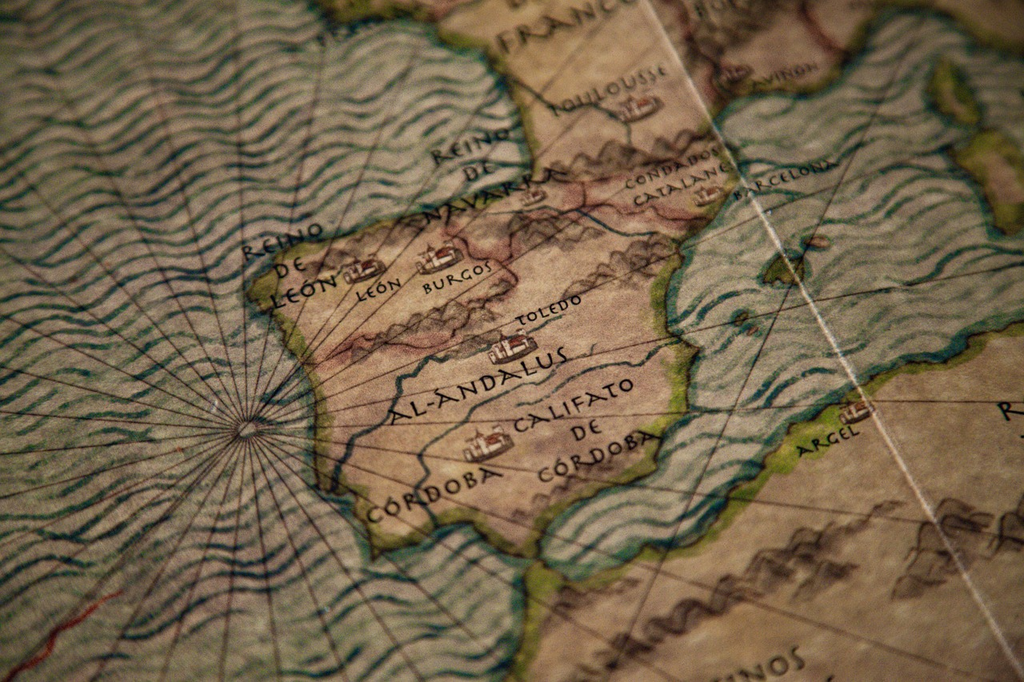
"Historical Geography (Puzzles for All Ages)" refers to engaging activities that combine elements of history and geography, designed to be accessible and enjoyable for people of any age group. These puzzles challenge participants to connect historical events, places, and cultures with their geographical locations, fostering learning through exploration and critical thinking. By blending fun with education, such puzzles help enhance knowledge of the world’s past and its physical landscape in an interactive manner.
Historical Geography
"Historical Geography (Puzzles for All Ages)" refers to engaging activities that combine elements of history and geography, designed to be accessible and enjoyable for people of any age group. These puzzles challenge participants to connect historical events, places, and cultures with their geographical locations, fostering learning through exploration and critical thinking. By blending fun with education, such puzzles help enhance knowledge of the world’s past and its physical landscape in an interactive manner.
💡 Key Takeaways
- Understand how places and landscapes influence historical events, cultures, and trade.
- Build map literacy and spatial reasoning by linking historical events to geographic locations and routes.
- Explore how geography shaped empires, migrations, and cultural exchange across eras.
- Develop problem-solving skills through engaging, age-friendly geography-history puzzles.
❓ Frequently Asked Questions
What is historical geography?
Historical geography studies how places and landscapes change over time, combining geography, history, and archaeology to understand past human–environment interactions.
What sources do historians use to study historical landscapes?
Old maps, travel narratives, property records, toponymy (place names), and environmental evidence like pollen or sediment cores.
How can climate affect historical events?
Climate and environmental conditions influence agriculture, trade routes, migrations, and conflicts, shaping where people live and how civilizations develop.
How is a historical map different from a modern map?
A historical map shows past borders, settlements, and landscapes as they existed at a certain time, while a modern map reflects current geography and political boundaries.