Historical ocean exploration refers to the study and discovery of the world’s oceans and seas throughout history. Early civilizations navigated coastal waters for trade, fishing, and expansion, gradually developing advanced techniques and instruments. Over centuries, explorers mapped unknown waters, enabling global connections and scientific understanding. Their voyages contributed significantly to knowledge about marine life, ocean currents, and geography, shaping our understanding of Planet Earth’s vast and mysterious aquatic realms.
Historical Ocean Exploration
Historical ocean exploration refers to the study and discovery of the world’s oceans and seas throughout history. Early civilizations navigated coastal waters for trade, fishing, and expansion, gradually developing advanced techniques and instruments. Over centuries, explorers mapped unknown waters, enabling global connections and scientific understanding. Their voyages contributed significantly to knowledge about marine life, ocean currents, and geography, shaping our understanding of Planet Earth’s vast and mysterious aquatic realms.
💡 Key Takeaways
- Identify the major eras of historical ocean exploration (ancient seafaring, the Age of Discovery, and 19th–20th century expeditions).
- Learn the navigation and mapping tools explorers used (celestial navigation, sextants, chronometers, and logbooks).
- Understand how exploration advanced science and global trade by mapping coastlines and sea floors, studying marine life, and charting currents.
- Appreciate the risks and human stories behind long sea voyages (storms, scurvy, supply issues, and political rivalries).
❓ Frequently Asked Questions
What does 'historical ocean exploration' refer to?
The study of how people explored the oceans in the past, including navigation, ships, and voyages that mapped coasts, discovered lands, and advanced science.
What are some key eras or periods in historical ocean exploration?
Ancient sea travel, the Age of Exploration (15th–17th centuries), Polynesian navigation across the Pacific, Norse/Viking voyages in the North Atlantic, and later Arctic and circumnavigation expeditions.
What technologies and tools enabled early ocean exploration?
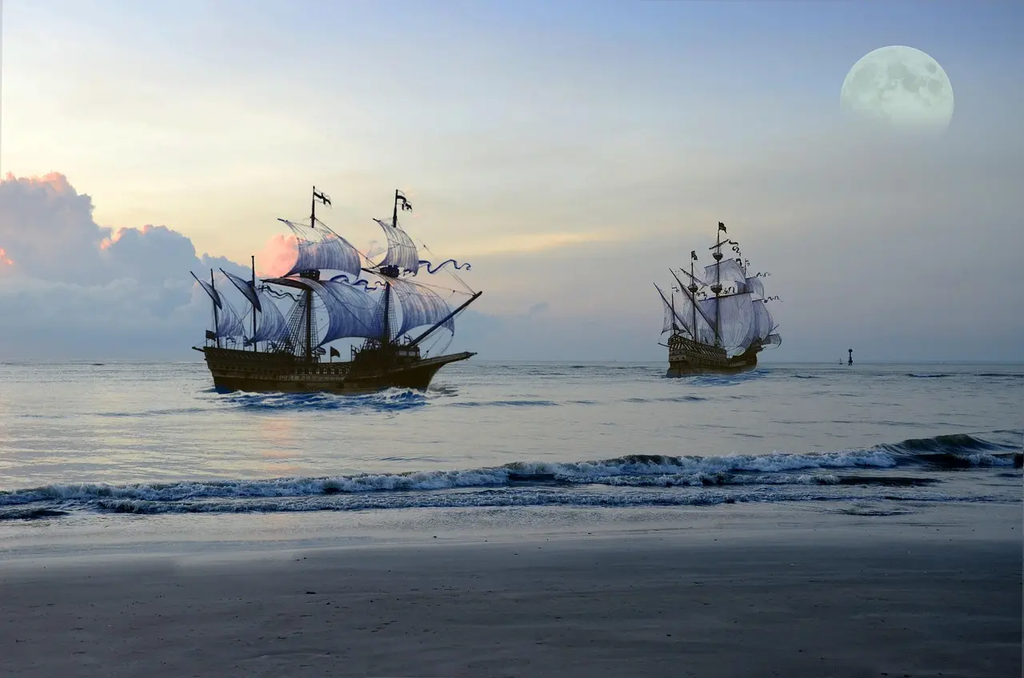
Ships like caravels and galleons, the magnetic compass, celestial navigation (astrolabe), later the sextant, improved charts, chronometers for longitude, and depth sounding.
Why is studying historical ocean exploration important?
It reveals how oceans shaped trade, culture, science, and maps, and shows how human curiosity and technology expanded our understanding of the world.