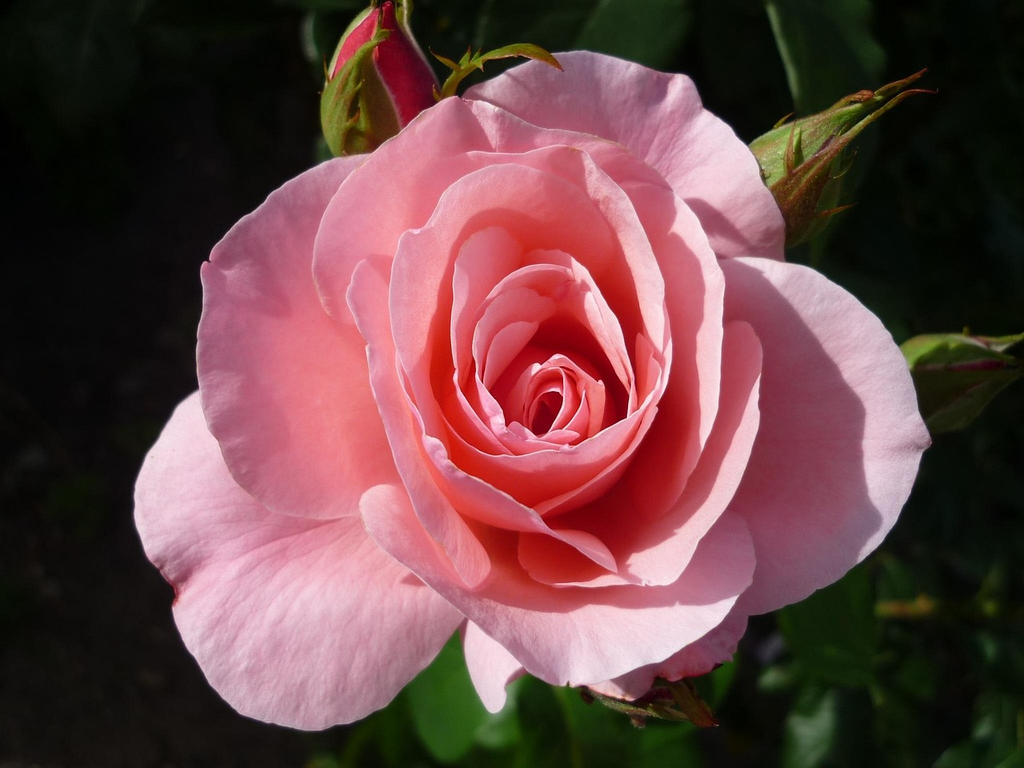
Roses have held profound historical significance across cultures, symbolizing love, beauty, and political power. In ancient Rome and Greece, roses adorned celebrations and were linked to deities like Aphrodite. During the Middle Ages, roses represented secrecy and were emblems for royal houses, such as the Wars of the Roses in England. Alongside lotuses in Eastern traditions, roses have been revered for spiritual, medicinal, and artistic purposes, reflecting their enduring cultural and symbolic importance.
Historical Significance of Roses
Roses have held profound historical significance across cultures, symbolizing love, beauty, and political power. In ancient Rome and Greece, roses adorned celebrations and were linked to deities like Aphrodite. During the Middle Ages, roses represented secrecy and were emblems for royal houses, such as the Wars of the Roses in England. Alongside lotuses in Eastern traditions, roses have been revered for spiritual, medicinal, and artistic purposes, reflecting their enduring cultural and symbolic importance.
💡 Key Takeaways
- Explore how roses have symbolized love, beauty, and political power across cultures and eras.
- See how roses appear in art, literature, religion, and myth throughout history.
- Learn about historical uses of roses in perfumery, medicine, cuisine, and ceremonial traditions.
- Trace the development of roses in horticulture and the global trade of rose products (oil, cut flowers, varieties).
❓ Frequently Asked Questions
What is the historical significance of roses in ancient civilizations?
Roses symbolized beauty, love, and ceremonial importance in Mesopotamia, Egypt, Greece, and Persia; they appeared in tombs, festivals, perfumes, and medicine.
How have roses influenced art, literature, and symbolism across cultures?
Roses represent love and beauty and are linked to secrecy (sub rosa) and mythic figures like Aphrodite/Venus, appearing throughout poetry, art, and religious imagery.
Why are roses important to horticulture and trade in history?
Roses spurred garden cultivation and the development of many varieties; the Damask rose supported the perfume and rose-water trade, and roses spread across Europe via historical trade routes.
What are some famous historical rose symbols in England?
The Tudor rose combines red and white to symbolize Lancaster and York; the War of the Roses highlighted rose symbolism, and the rose is often regarded as England’s traditional national flower.