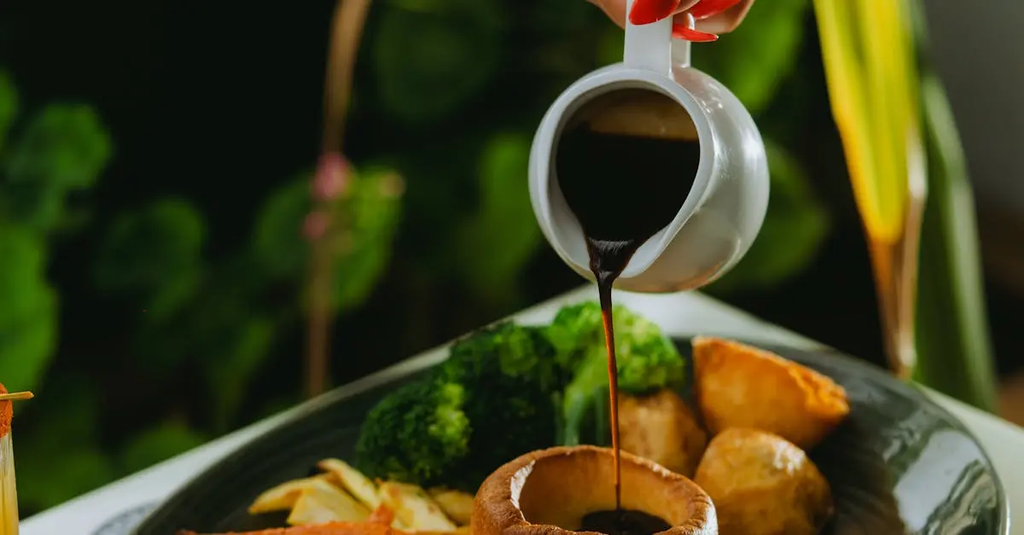
The history of British cuisine reflects centuries of cultural exchange and adaptation. Influenced by Roman, Viking, and Norman invasions, traditional British fare once centered on simple, locally sourced ingredients like meats, grains, and root vegetables. The global expansion of the British Empire introduced spices, tea, and new foods, enriching the culinary landscape. In the 20th and 21st centuries, immigration further diversified British cuisine, blending global flavors with classic dishes.
History of British cuisine+50
The history of British cuisine reflects centuries of cultural exchange and adaptation. Influenced by Roman, Viking, and Norman invasions, traditional British fare once centered on simple, locally sourced ingredients like meats, grains, and root vegetables. The global expansion of the British Empire introduced spices, tea, and new foods, enriching the culinary landscape. In the 20th and 21st centuries, immigration further diversified British cuisine, blending global flavors with classic dishes.
💡 Key Takeaways
- Trace how Roman, Viking, and Norman invasions shaped early British cooking.
- Identify traditional staples - meats, grains, and root vegetables - that anchored historic British fare.
- Explain how global trade and the British Empire expanded British cuisine beyond the Isles.
- Describe how modern British dishes blend regional ingredients with international influences.
❓ Frequently Asked Questions
What historical influences shaped traditional British cuisine?
Traditional British cooking blends Roman, Viking, and Norman influences with centuries of local farming, using meats, grains, and root vegetables; later, the global trade of the British Empire added new ingredients.
What ingredients were most common in early British meals?
Local, simple ingredients such as beef, mutton, pork, grains (wheat, barley), and root vegetables, prepared by boiling, roasting, or stewing.
How did the British Empire affect British food?
Global exploration and colonization introduced spices, tea, sugar, citrus, and new cooking ideas, broadening the British palate.
Why is modern British cuisine diverse today?
Continued immigration and global exchange blend traditional dishes with flavors from Asia, Africa, the Caribbean, and other regions, often using seasonal, locally sourced ingredients.