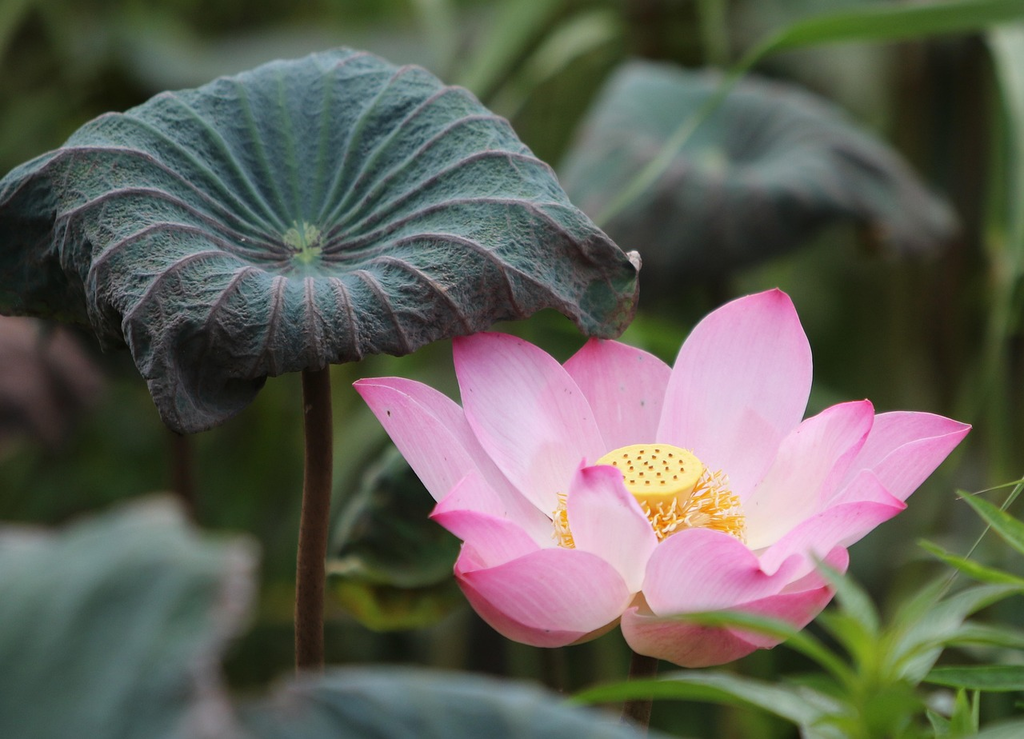
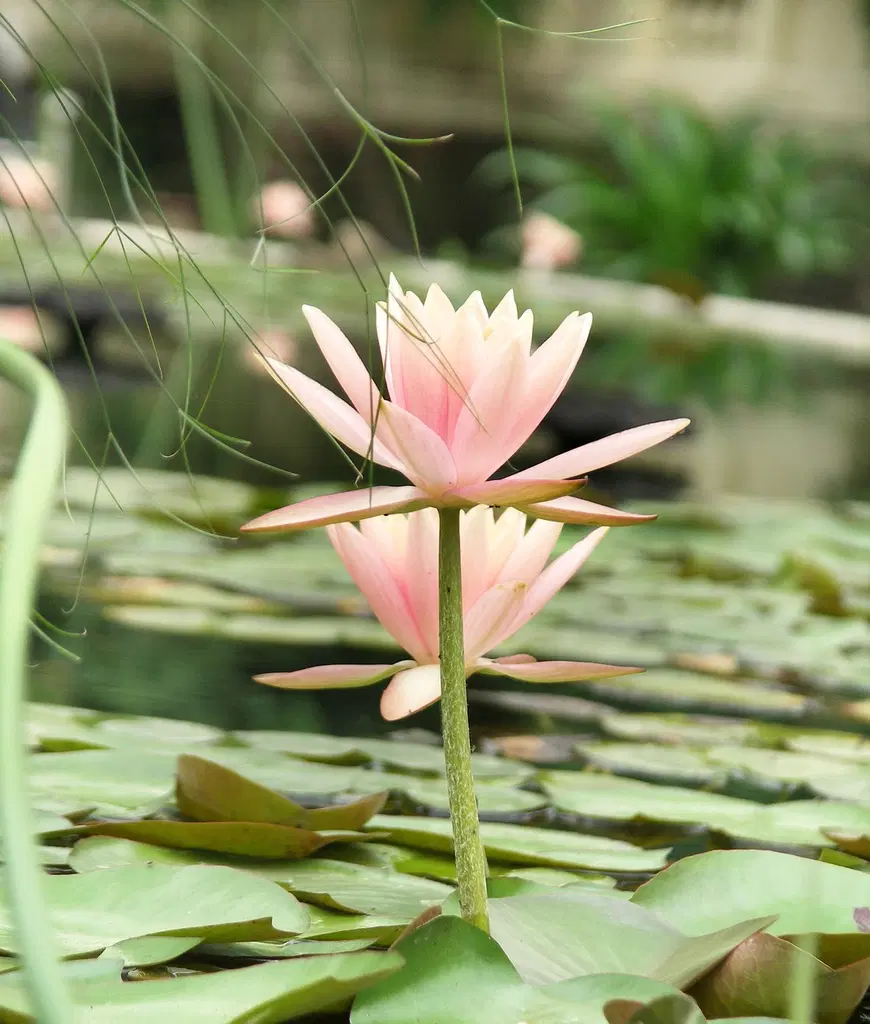
The phrase "History of Lotuses (Flower Blooms (Roses & Lotuses))" refers to the cultural, symbolic, and botanical background of lotus flowers, often compared or connected with roses. Both flowers hold significant meanings in various civilizations—lotuses symbolize purity and spiritual awakening, especially in Eastern traditions, while roses often represent love and beauty in Western cultures. Exploring their histories reveals their roles in art, religion, and literature throughout time.
History of Lotuses
The phrase "History of Lotuses (Flower Blooms (Roses & Lotuses))" refers to the cultural, symbolic, and botanical background of lotus flowers, often compared or connected with roses. Both flowers hold significant meanings in various civilizations—lotuses symbolize purity and spiritual awakening, especially in Eastern traditions, while roses often represent love and beauty in Western cultures. Exploring their histories reveals their roles in art, religion, and literature throughout time.

💡 Key Takeaways
- Identify the two main lotus species (sacred lotus and American lotus) and how they differ from common water lilies.
- Trace the lotus's ancient origins and domestication, including its spread through ancient trade routes.
- Explore the lotus's symbolic and religious significance in Ancient Egypt, Hinduism, Buddhism, and East Asian traditions.
- Discover how lotus imagery appears in art, literature, and landscape design from antiquity to today.
❓ Frequently Asked Questions
What is the lotus, and which species are most commonly discussed?
The term usually refers to Nelumbo nucifera (the sacred lotus) and Nelumbo lutea (the American lotus); both are aquatic perennials with round leaves and showy flowers that rise above the water.
Where did lotus cultivation begin, and how far back does its history go?
Lotus cultivation originated in Asia (South and East Asia) and has been cultivated for thousands of years, with references in ancient Indian texts and Chinese art dating to the first millennium BCE.
Why is the lotus significant in religious and cultural history?
The lotus symbolizes purity, spiritual awakening, and beauty in Hinduism and Buddhism; many deities are depicted seated on or emerging from a lotus.
How has the lotus influenced art and symbolism across regions?
Lotus imagery appears in temples, sculpture, paintings, literature, and architecture across Asia, often representing creation, enlightenment, and divine birth.