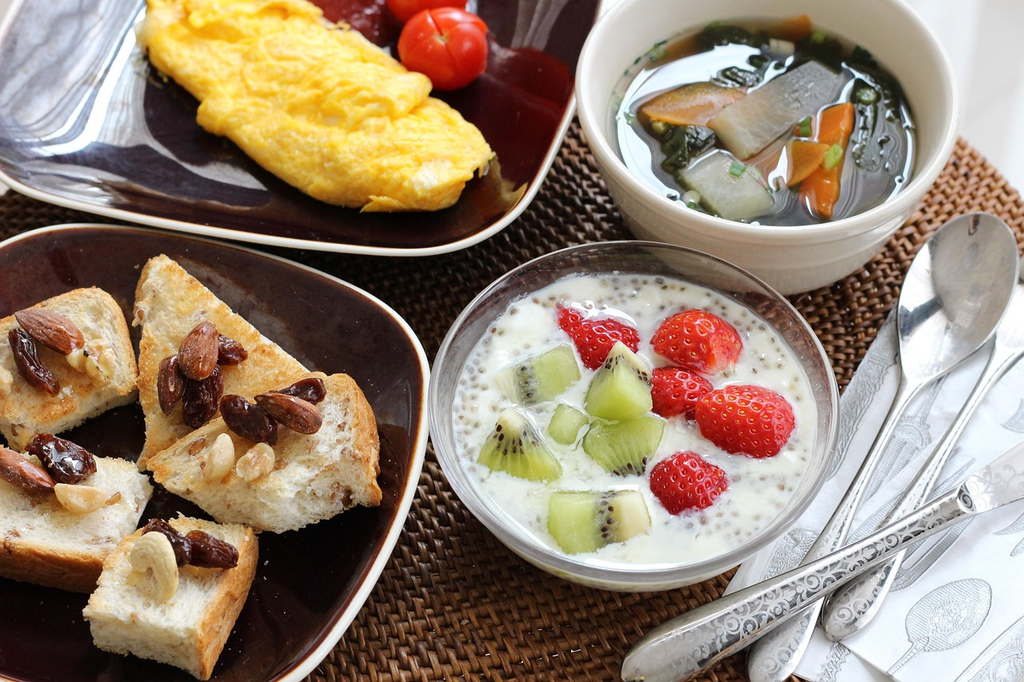
Hormonal balance through nutrition emphasizes maintaining optimal hormone levels by adopting healthy eating habits and incorporating superfoods. Consuming nutrient-dense foods like leafy greens, fatty fish, seeds, and berries supports hormone production and regulation. Avoiding processed foods, refined sugars, and unhealthy fats further stabilizes hormonal health. Establishing regular meal times, staying hydrated, and including a variety of whole foods can enhance well-being and promote a balanced endocrine system.
Hormonal Balance through Nutrition
Hormonal balance through nutrition emphasizes maintaining optimal hormone levels by adopting healthy eating habits and incorporating superfoods. Consuming nutrient-dense foods like leafy greens, fatty fish, seeds, and berries supports hormone production and regulation. Avoiding processed foods, refined sugars, and unhealthy fats further stabilizes hormonal health. Establishing regular meal times, staying hydrated, and including a variety of whole foods can enhance well-being and promote a balanced endocrine system.
💡 Key Takeaways
- Identify key nutrients that support hormonal balance (healthy fats, fiber, and essential micronutrients).
- Explain how diet can influence hormone production, metabolism, and balance.
- Recognize dietary patterns and foods that help reduce hormonal fluctuations.
- Create a practical, nutrition-based plan to support hormonal balance across life stages.
❓ Frequently Asked Questions
What does 'hormonal balance through nutrition' mean?
It means supporting hormones (like insulin, estrogen, progesterone, testosterone, and cortisol) with food to help keep their levels steady and the body's signaling processes functioning well.
Which nutrients are especially important for hormone production and metabolism?
Healthy fats (omega-3s), adequate protein, fiber, and micronutrients such as magnesium, zinc, selenium, iodine, and vitamin D support hormone synthesis, regulation, and clearance.
How can meals promote insulin and cortisol balance?
Choose regular, balanced meals with protein, fiber, and healthy fats; opt for low-glycemic carbohydrates to prevent blood sugar spikes and reduce insulin and cortisol stress responses.
What foods should be included or limited for hormonal balance?
Include fatty fish, leafy greens, cruciferous vegetables, beans, seeds, berries, and whole grains. Limit processed foods, added sugars, trans fats, and excessive caffeine or alcohol; stay hydrated.