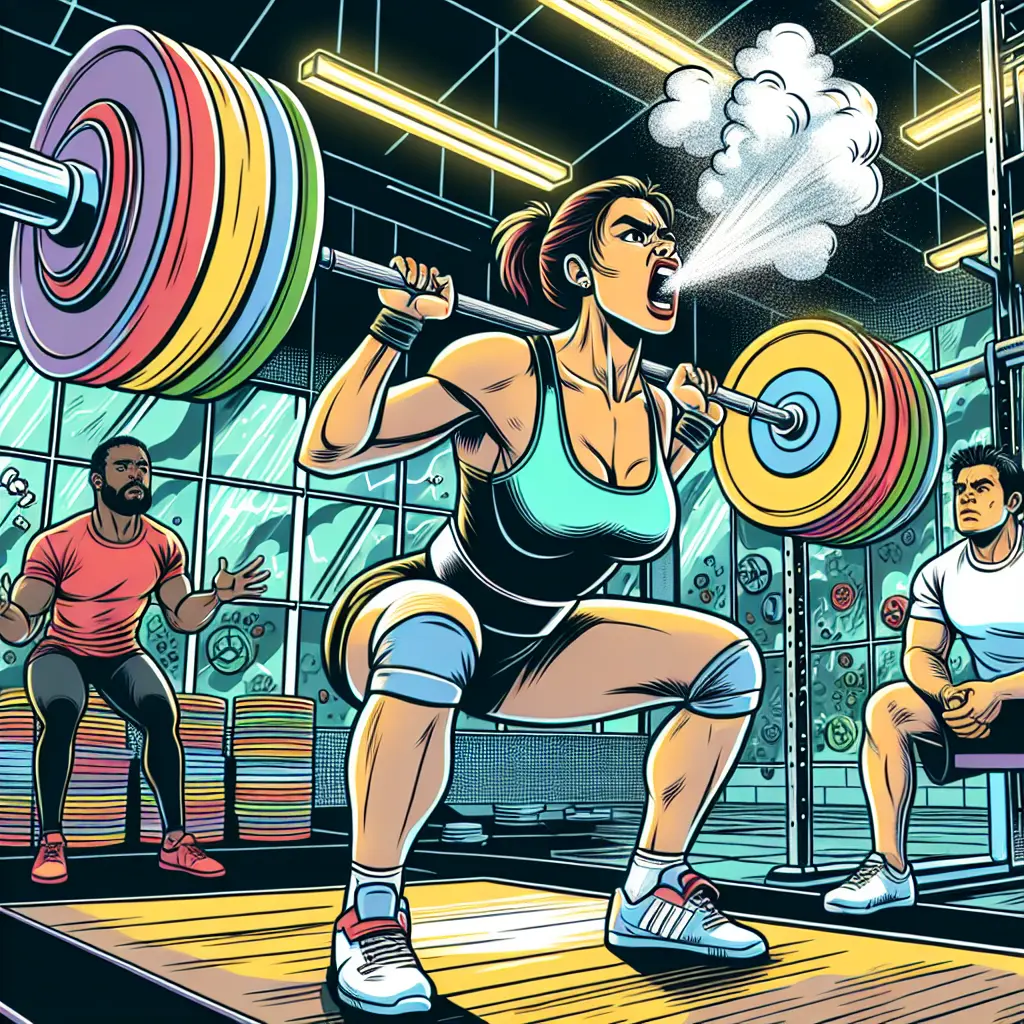
"Human Anatomy for Training" refers to the study of the human body's structure and functions specifically tailored to enhance physical training and exercise. Understanding muscles, bones, joints, and bodily systems helps trainers and athletes optimize performance, prevent injuries, and design effective workout routines. Knowledge of anatomy allows for targeted exercises, proper movement techniques, and improved overall fitness outcomes, making it essential for anyone involved in physical training or sports.
Human Anatomy for Training
"Human Anatomy for Training" refers to the study of the human body's structure and functions specifically tailored to enhance physical training and exercise. Understanding muscles, bones, joints, and bodily systems helps trainers and athletes optimize performance, prevent injuries, and design effective workout routines. Knowledge of anatomy allows for targeted exercises, proper movement techniques, and improved overall fitness outcomes, making it essential for anyone involved in physical training or sports.

💡 Key Takeaways
- Identify major muscle groups and their roles in common training movements.
- Describe how bones, joints, and connective tissues enable movement and influence injury risk.
- Explain how the nervous and cardiovascular systems adapt to training and support performance.
- Apply anatomy insights to design safer, more effective training programs and technique improvements.
❓ Frequently Asked Questions
What is the role of skeletal muscles in exercise?
Muscles contract to pull on bones via tendons, creating movement, generating force, and stabilizing joints.
What is a joint, and why is it important for training?
A joint connects bones to allow movement and provide stability; knowing joint types helps you choose safe exercises and proper range of motion.
What is the difference between concentric and eccentric muscle actions?
Concentric action shortens the muscle during contraction (lifting), while eccentric action lengthens under tension (lowering); both contribute to strength and control.
How can anatomy knowledge help prevent injuries during workouts?
By using proper technique, warming up, progressing gradually, and balancing muscle groups to protect joints and reduce overuse.