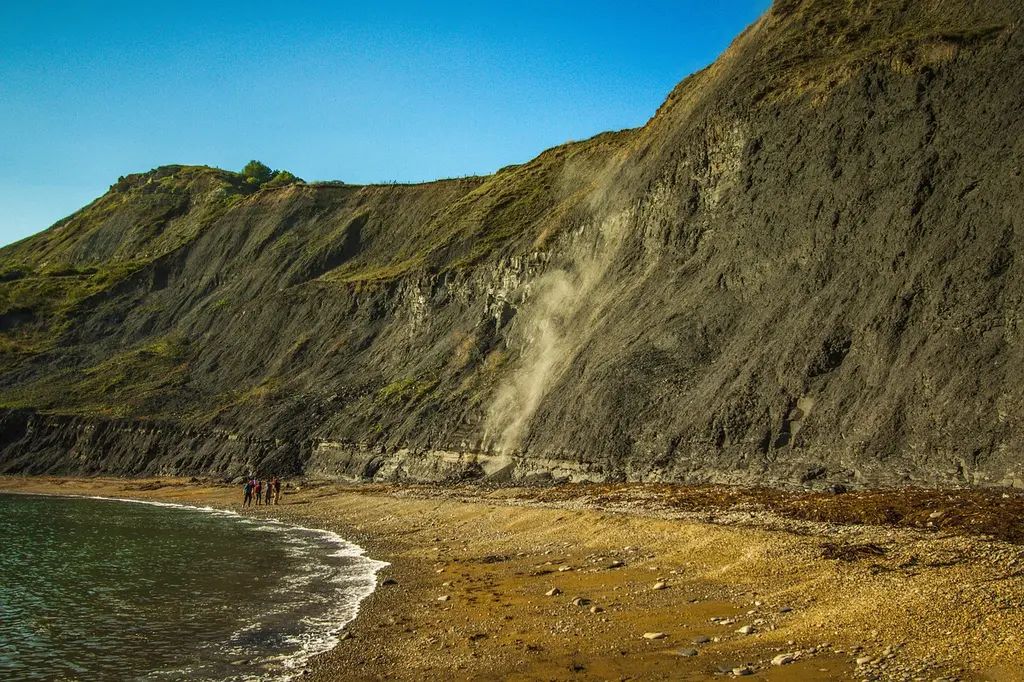
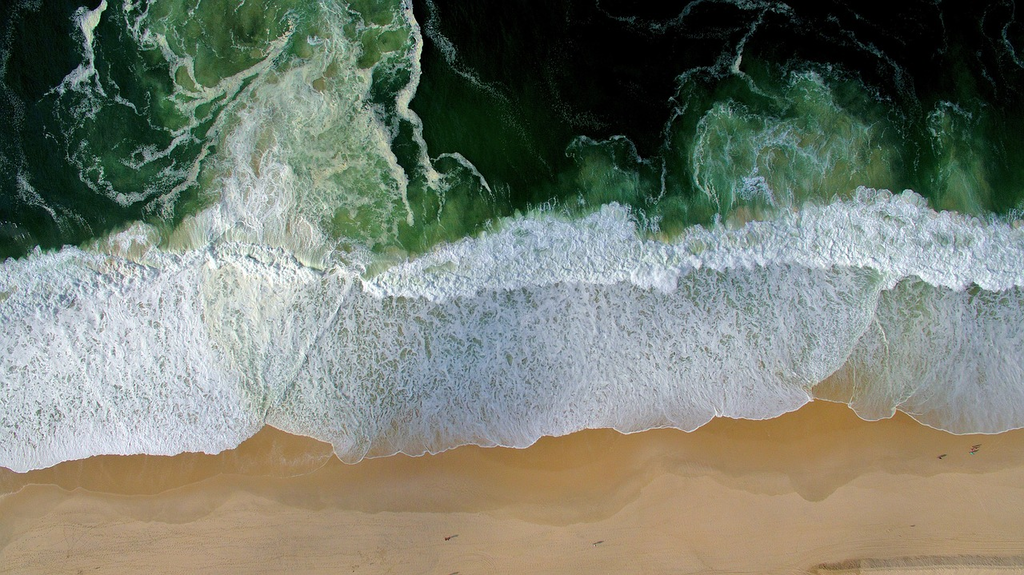
Hurricanes, often called nature’s scary side, are powerful storms that form over warm ocean waters. With intense winds, heavy rain, and destructive storm surges, they can cause widespread damage to coastal areas and communities. These natural disasters uproot trees, flood homes, and disrupt lives, reminding us of the immense and sometimes frightening power of nature. Preparation and awareness are crucial for safety during hurricane season.
Hurricanes+50
Hurricanes, often called nature’s scary side, are powerful storms that form over warm ocean waters. With intense winds, heavy rain, and destructive storm surges, they can cause widespread damage to coastal areas and communities. These natural disasters uproot trees, flood homes, and disrupt lives, reminding us of the immense and sometimes frightening power of nature. Preparation and awareness are crucial for safety during hurricane season.
💡 Key Takeaways
- What a hurricane is and how it differs from other tropical storms.
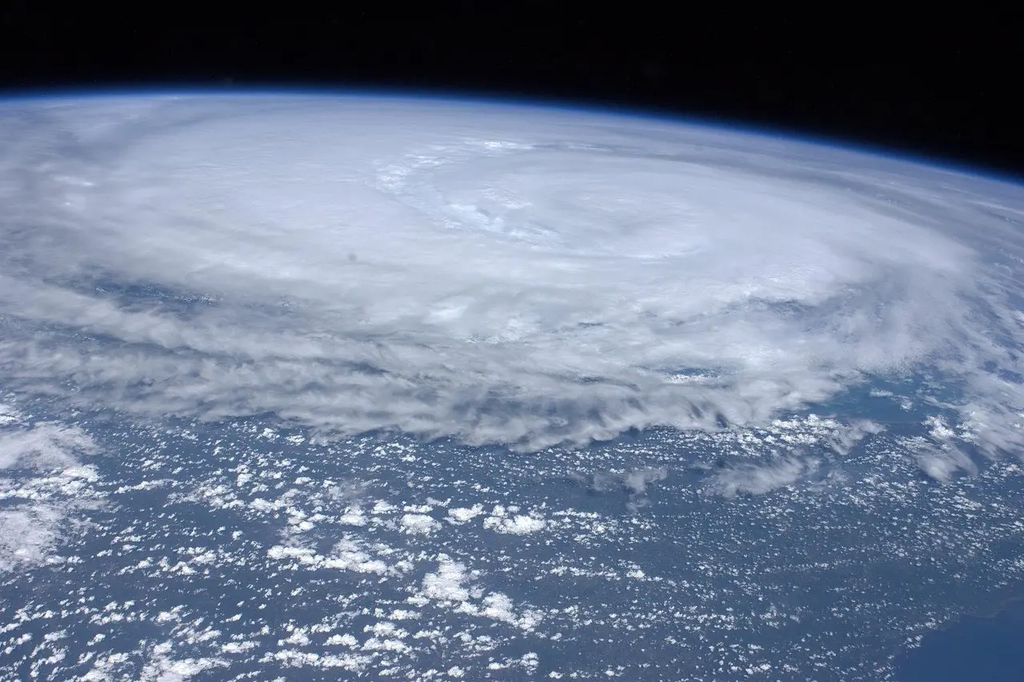
- How hurricanes form: warm ocean water, low wind shear, and enough time to organize.
- The main parts of a hurricane (eye, eyewall, rainbands) and how strength is measured.
- Common impacts (wind, storm surge, heavy rainfall) and essential safety and preparedness tips.
❓ Frequently Asked Questions
What is a hurricane?
A tropical cyclone with sustained winds of 74 mph (119 km/h) or higher, forming over warm ocean waters with a well-defined circulation and an eye.
How are hurricanes categorized?
They are classified on the Saffir–Simpson scale (Categories 1–5) based on sustained winds; higher categories indicate potential damage and storm surge, though rainfall varies.
What is the difference between a hurricane watch and a hurricane warning?
A watch means hurricane conditions are possible (within 48 hours). A warning means hurricane conditions are expected (within 36 hours) or already occurring.
What is storm surge?
An abnormal rise in seawater level caused by the hurricane's winds and low pressure, which can flood coastal areas.