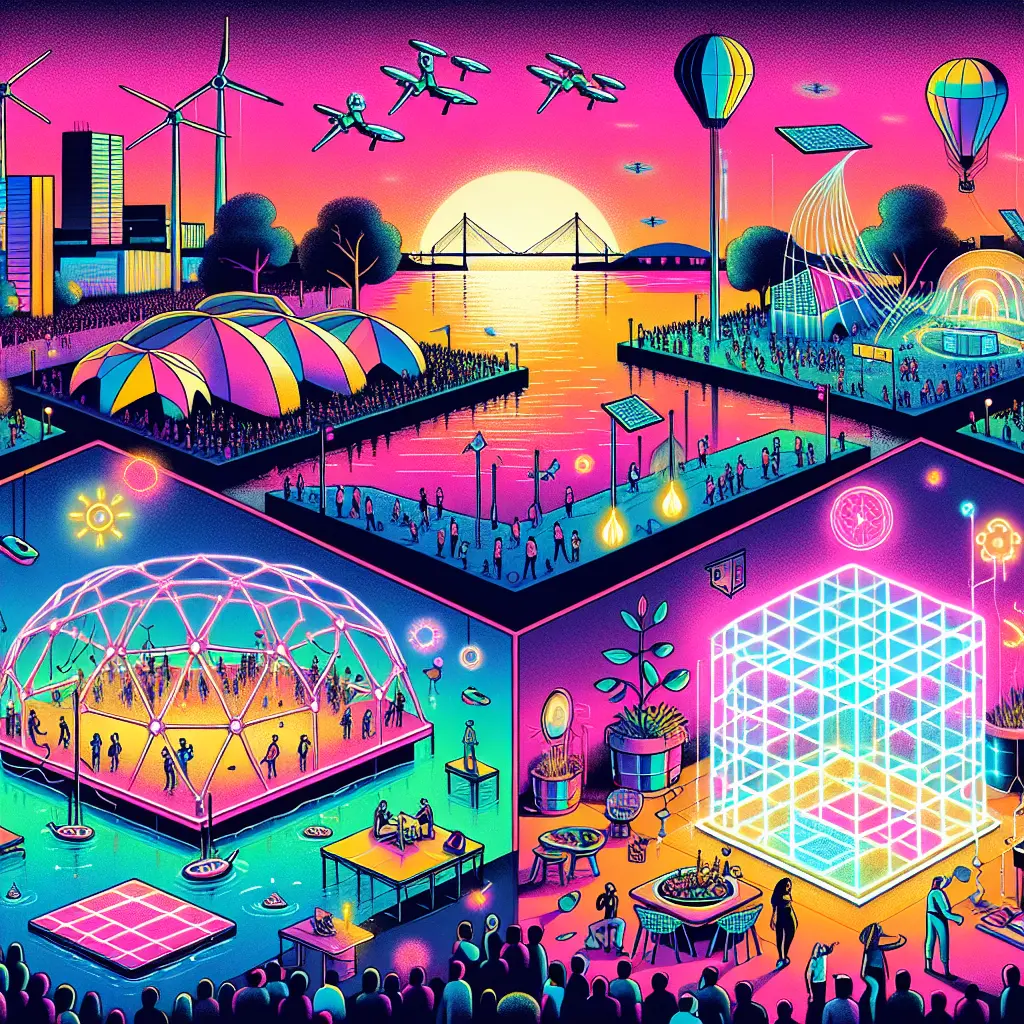
Hybrid festivals in multicultural cities blend diverse cultural traditions, art forms, and culinary experiences, creating unique celebrations that reflect the city’s varied population. These festivals often feature a mix of music, dance, food, and rituals from different ethnic groups, fostering cross-cultural understanding and unity. By bringing together people of various backgrounds, hybrid festivals promote inclusivity, celebrate diversity, and help build a vibrant, interconnected community within the urban setting.
Hybrid Festivals in Multicultural Cities
Hybrid festivals in multicultural cities blend diverse cultural traditions, art forms, and culinary experiences, creating unique celebrations that reflect the city’s varied population. These festivals often feature a mix of music, dance, food, and rituals from different ethnic groups, fostering cross-cultural understanding and unity. By bringing together people of various backgrounds, hybrid festivals promote inclusivity, celebrate diversity, and help build a vibrant, interconnected community within the urban setting.
💡 Key Takeaways
- Define what makes a festival 'hybrid' and how it blends traditions, art forms, and cuisines from multiple cultures.
- Explore how music, dance, food, and rituals from different ethnic groups are programmed to foster cultural exchange.
- Examine the social and economic impacts of hybrid festivals on multicultural urban communities, including inclusion and tourism.
- Identify challenges in organizing inclusive, respectful cross-cultural events and best practices for collaboration and representation.
❓ Frequently Asked Questions
What is a hybrid festival in a multicultural city?
A festival that blends traditions, arts, and cuisines from multiple cultures in one event, creating a cross-cultural celebration through music, dance, food, and rituals.
What kinds of activities are typical at these festivals?
Music and dance performances from different cultures, food stalls with diverse cuisines, art installations, craft markets, workshops, and demonstrations of shared rituals.
How do hybrid festivals promote inclusion and understanding?
They place diverse practices side by side, encourage interaction and dialogue, and provide learning opportunities for attendees to explore unfamiliar traditions respectfully.
What should attendees consider to participate respectfully?
Be open to new traditions, ask before photographing or participating in rituals, follow cultural dietary guidelines, avoid stereotypes, and support inclusive programming.
What are common planning considerations for organizers?
Represent diverse communities authentically, coordinate schedules across cultures, ensure accessibility and safety, manage crowds, and secure funding and permits.