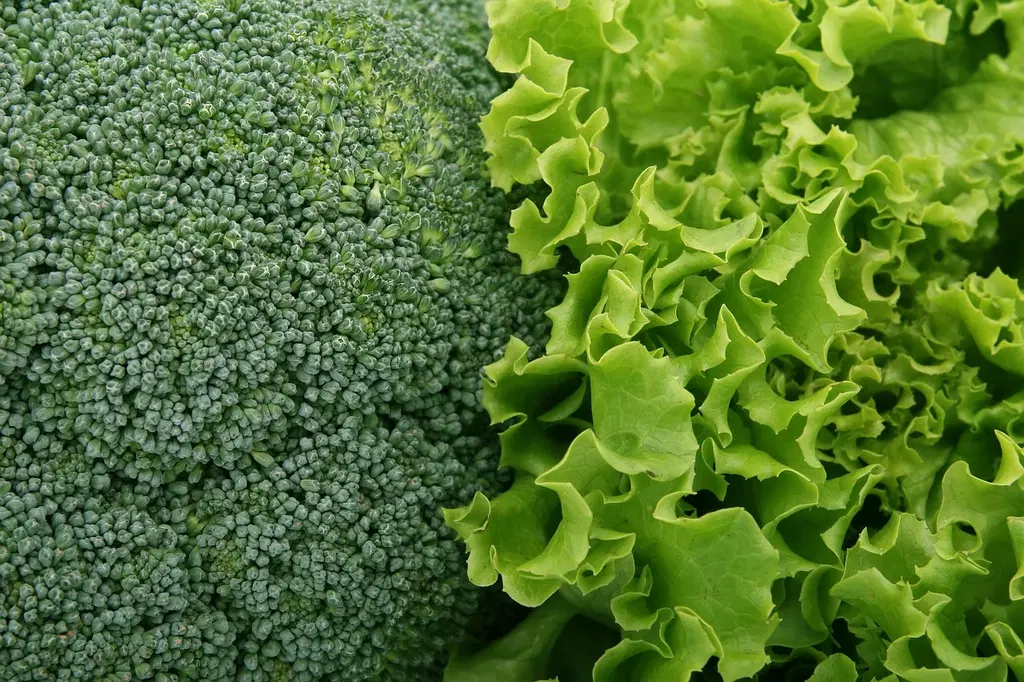
Hydration is essential for maintaining optimal health, as water supports vital bodily functions such as digestion, circulation, and temperature regulation. Staying adequately hydrated boosts energy, enhances cognitive function, and helps flush out toxins. Adopting healthy habits like drinking water regularly and consuming superfoods—such as fruits and vegetables high in water content—can improve hydration levels, strengthen the immune system, and contribute to overall well-being.
Hydration and Its Effects on Health
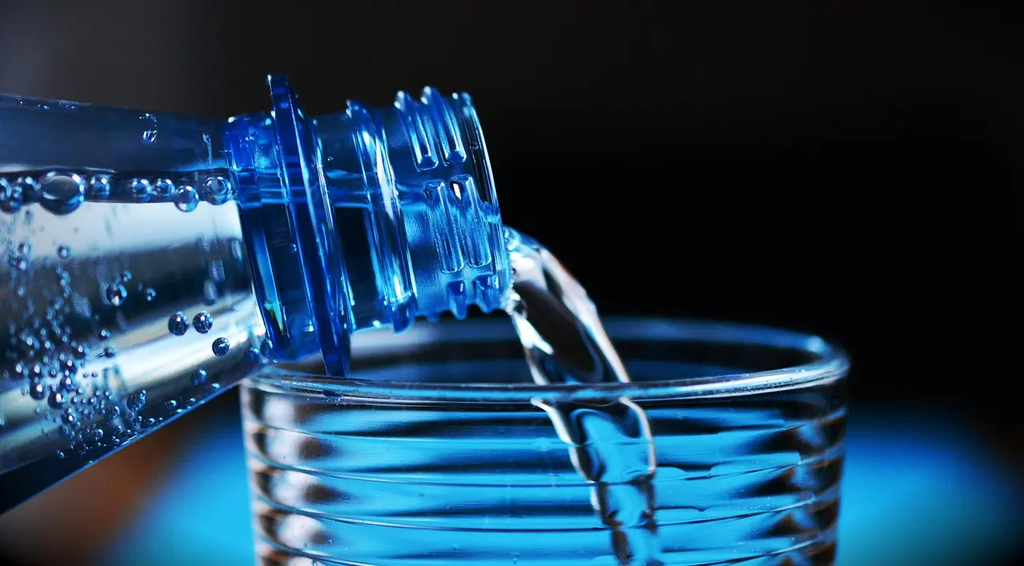
Hydration is essential for maintaining optimal health, as water supports vital bodily functions such as digestion, circulation, and temperature regulation. Staying adequately hydrated boosts energy, enhances cognitive function, and helps flush out toxins. Adopting healthy habits like drinking water regularly and consuming superfoods—such as fruits and vegetables high in water content—can improve hydration levels, strengthen the immune system, and contribute to overall well-being.
💡 Key Takeaways
- Understand how hydration supports body functions like temperature regulation, digestion, and cognitive performance
- Learn daily fluid needs and factors that change them (age, activity, climate, health)
- Recognize signs of dehydration and when to seek care
- Explore hydration's impact on exercise performance and recovery, including electrolytes and beverage choices
❓ Frequently Asked Questions
What is hydration and why is it important?
Hydration means keeping the body's water level in a healthy range. Water supports digestion, temperature regulation, joint lubrication, nutrient transport, and overall energy and brain function.
How much water should an average adult drink daily?
General guidance is about 3.7 liters (125 oz) for men and 2.7 liters (91 oz) for women from all fluids and water-rich foods. Needs vary with activity, climate, health, and pregnancy/breastfeeding.
What are common signs of dehydration?
Thirst, dark yellow urine, dry mouth or skin, fatigue, dizziness, or headaches. Severe dehydration can cause confusion or fainting.
Can hydration come from foods and other beverages, not just water?
Yes. Tea, milk, juice, soups, and high-water foods like fruits and vegetables contribute to daily hydration.
How does dehydration affect health and performance?
Even mild dehydration can impair energy, mood, and concentration, while more severe dehydration can reduce physical performance and strain kidney and cardiovascular systems.