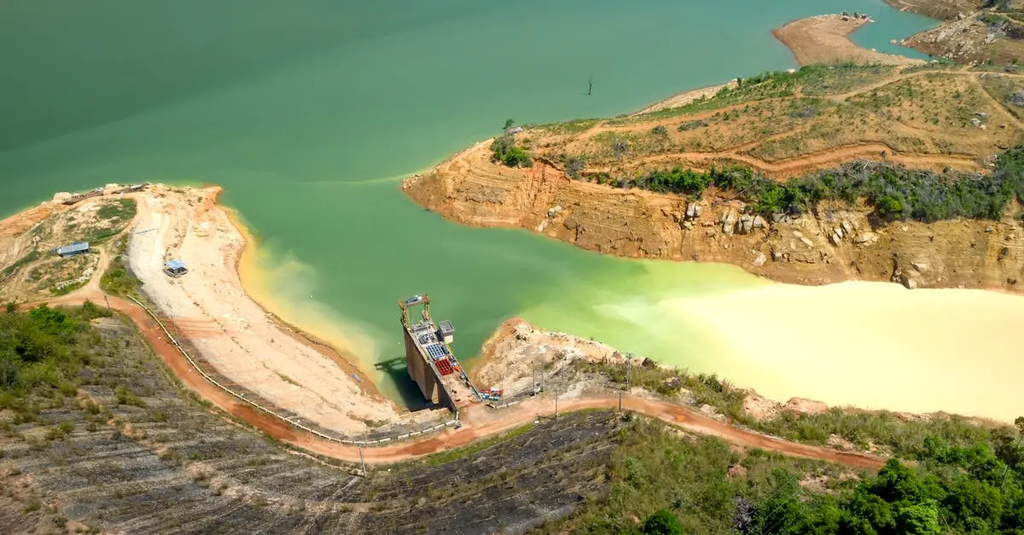
Hydrology & Watershed Science is the study of water movement, distribution, and quality within natural environments, focusing on the interactions between water, soil, vegetation, and human activities. It examines how water flows through watersheds—land areas draining to a common waterway—analyzing precipitation, runoff, infiltration, and storage. This field is essential for managing water resources, predicting floods or droughts, and supporting ecosystem health and sustainable land use.
Hydrology & Watershed Science
Hydrology & Watershed Science is the study of water movement, distribution, and quality within natural environments, focusing on the interactions between water, soil, vegetation, and human activities. It examines how water flows through watersheds—land areas draining to a common waterway—analyzing precipitation, runoff, infiltration, and storage. This field is essential for managing water resources, predicting floods or droughts, and supporting ecosystem health and sustainable land use.
💡 Key Takeaways
- Understand how water moves through landscapes and how watershed boundaries shape drainage.
- Learn how soil, vegetation, and land cover affect infiltration, runoff, and storage.
- Explore methods to assess water quality and pollutant transport within watersheds.
- Examine how human activities alter watershed hydrology and how to manage it sustainably.
❓ Frequently Asked Questions
What is hydrology?
Hydrology is the science of water in the environment — its distribution, movement, and properties across surface water, groundwater, precipitation, and evaporation, including interactions with soil, vegetation, and humans.
What is a watershed?
A watershed is the land area that drains toward a common outlet, such as a river, lake, or coastal area; all streams, soils, and vegetation within it influence how water flows.
What are the main processes that move water through a watershed?
Key processes include precipitation, infiltration into soil, surface runoff, streamflow, and evapotranspiration. Land cover and topography determine how much water is stored, infiltrated, or runoff.
How do human activities affect watershed water movement and quality?
Human actions like urbanization, agriculture, dam construction, water withdrawals, and pollution can alter runoff, infiltration, groundwater recharge, and contaminant loads, impacting water availability and ecosystem health.