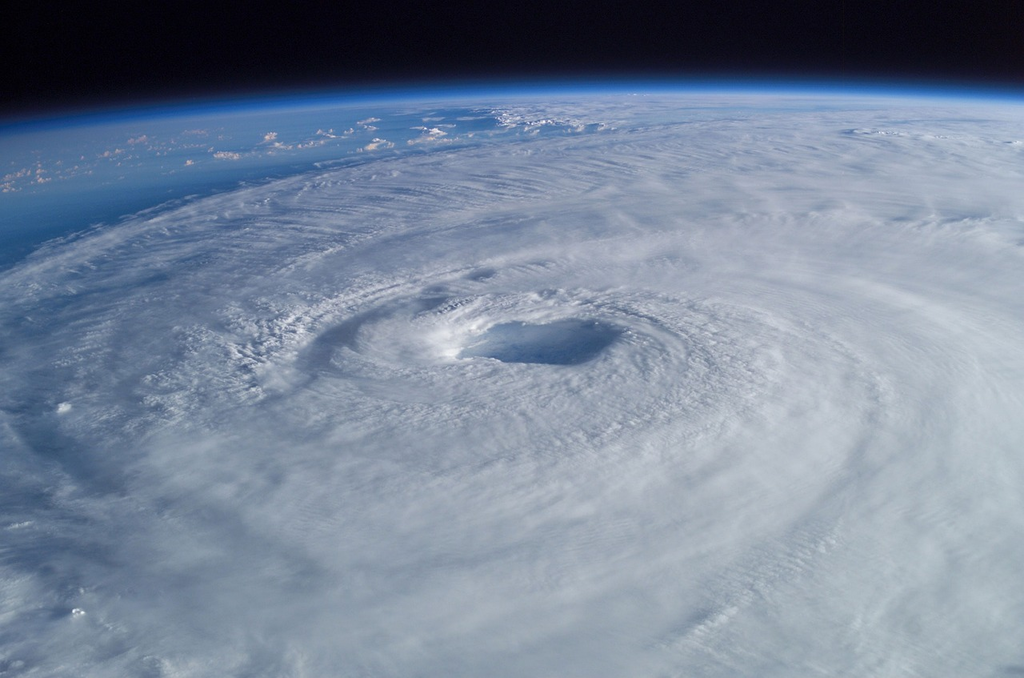
Ice storms are severe weather events where freezing rain coats surfaces with a layer of ice. This glaze can make roads dangerously slippery, snap tree branches, and bring down power lines, causing widespread outages. The weight of the ice creates hazardous conditions for travel and can damage homes and infrastructure. Ice storms reveal nature’s scary side by transforming familiar environments into treacherous landscapes, often leaving communities struggling to recover from their destructive aftermath.
Ice Storms
Ice storms are severe weather events where freezing rain coats surfaces with a layer of ice. This glaze can make roads dangerously slippery, snap tree branches, and bring down power lines, causing widespread outages. The weight of the ice creates hazardous conditions for travel and can damage homes and infrastructure. Ice storms reveal nature’s scary side by transforming familiar environments into treacherous landscapes, often leaving communities struggling to recover from their destructive aftermath.
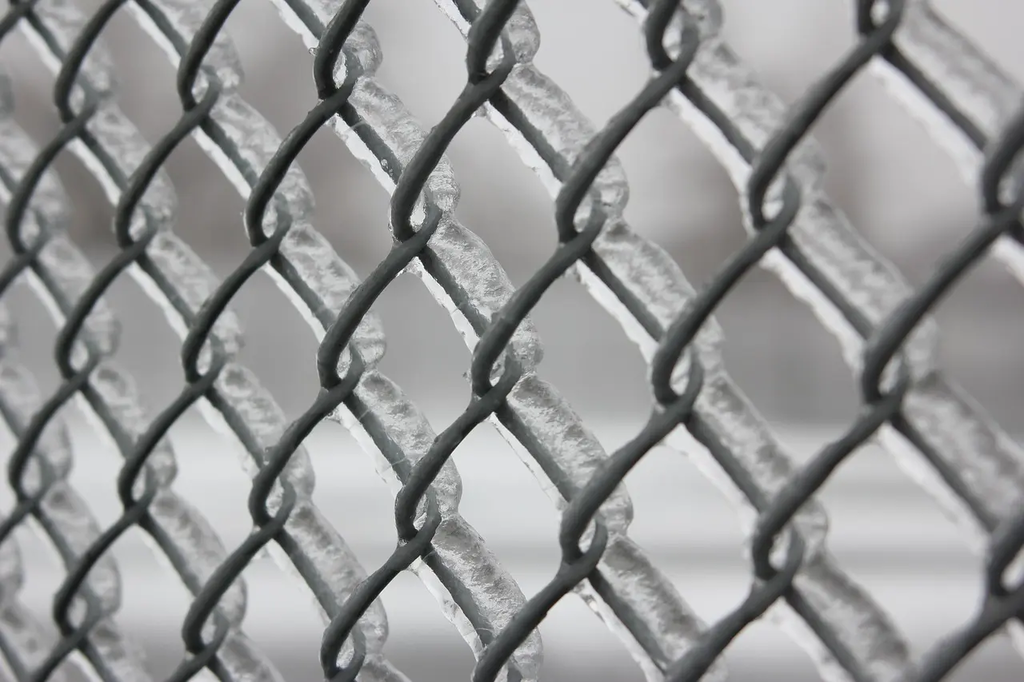
💡 Key Takeaways
- Understand what an ice storm is and how freezing rain forms ice on roads, trees, and power lines.
- Identify common hazards and impacts, such as power outages, slick travel, and ice loads on structures.
- Explain the atmospheric conditions that lead to ice storms, including a warm layer aloft and subfreezing surface temperatures.
- Learn essential safety and preparedness steps during an ice storm, such as staying indoors, avoiding downed lines, and stocking an emergency kit.
❓ Frequently Asked Questions
What is an ice storm?
An ice storm is a weather event where freezing rain coats surfaces with a dangerous layer of ice (glaze). This can make roads slick and weigh down trees and power lines.
How does an ice storm form?
Warm air aloft and a shallow cold layer near the ground cause rain to become supercooled; when it hits surfaces it freezes instantly, forming a glaze of ice.
What hazards does an ice storm create?
Slippery roads, downed branches and power lines, power outages, and disrupted travel and infrastructure.
How can I stay safe and prepare for an ice storm?
Monitor forecasts, limit travel during icy conditions, have an emergency kit (water, food, flashlight, batteries), keep a charged phone, treat steps with salt or sand, stay away from downed lines, and use safe heating methods during outages.