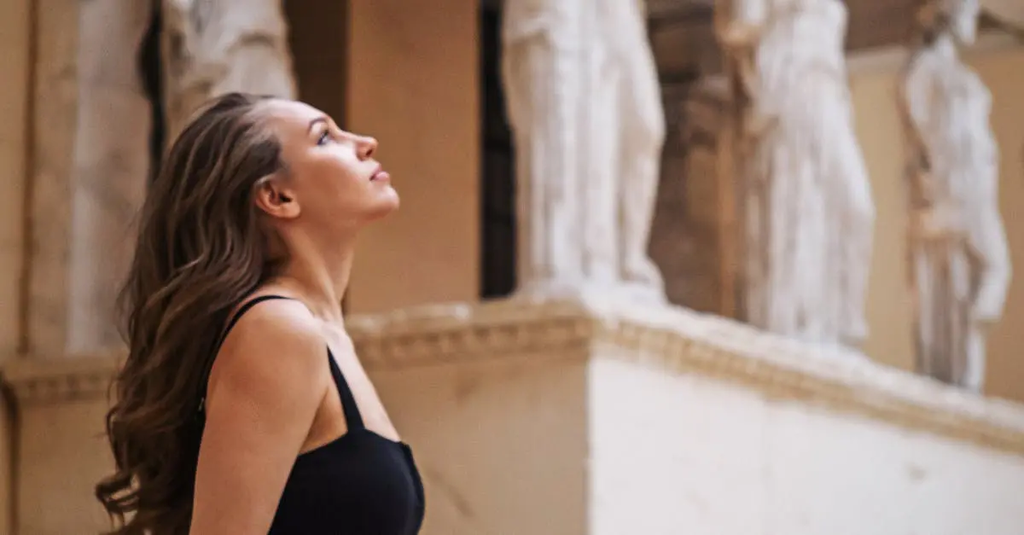
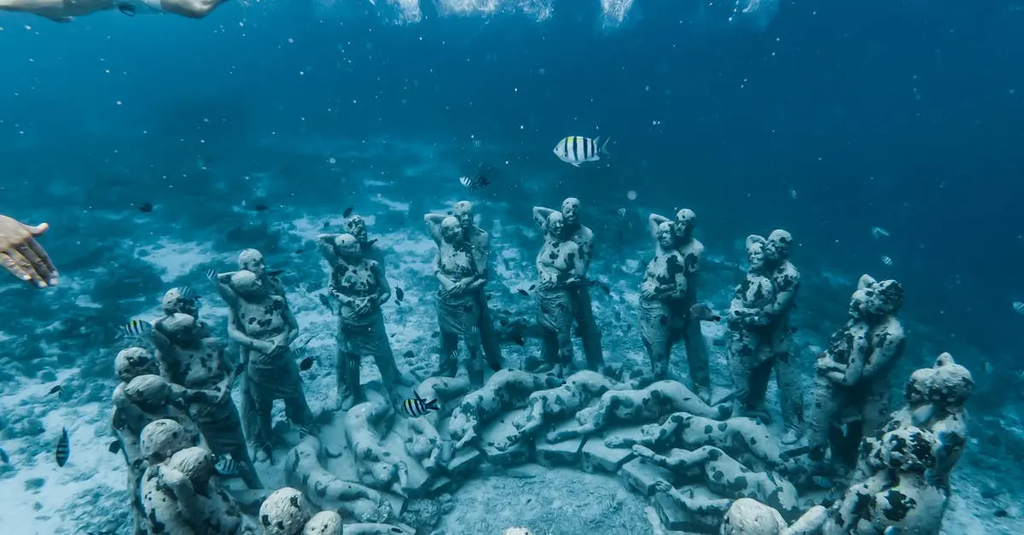
Iconoclasm and censorship both involve the suppression or destruction of cultural, religious, or artistic expressions. Iconoclasm refers specifically to the deliberate breaking or removal of religious images or symbols, often due to ideological or doctrinal reasons. Censorship, on the other hand, is the control or limitation of information, speech, or artistic works deemed objectionable by authorities. Both practices reflect attempts to shape public perception and maintain social or political control.
Iconoclasm and Censorship
Iconoclasm and censorship both involve the suppression or destruction of cultural, religious, or artistic expressions. Iconoclasm refers specifically to the deliberate breaking or removal of religious images or symbols, often due to ideological or doctrinal reasons. Censorship, on the other hand, is the control or limitation of information, speech, or artistic works deemed objectionable by authorities. Both practices reflect attempts to shape public perception and maintain social or political control.
💡 Key Takeaways
- Understand how iconoclasm involves deliberate destruction or removal of religious images or symbols and how censorship differs in its suppression of art or information.
- Identify major historical episodes of iconoclasm (e.g., Byzantine Iconoclasm, Protestant Reformation iconoclasm) and notable censorship events in art history.
- Compare the motives and impacts of iconoclasm and censorship on artists, audiences, and cultural memory.
- Evaluate how museums, scholars, and artists address or mitigate iconoclastic and censored works today through conservation, interpretation, and ethical decision-making.
❓ Frequently Asked Questions
What is iconoclasm?
Iconoclasm is the deliberate destruction or removal of religious images or symbols, typically driven by doctrinal, political, or ideological beliefs.
What is censorship?
Censorship is the suppression or restriction of access to information, ideas, or artworks by authorities or gatekeepers, through laws, bans, or self-censorship.
How are iconoclasm and censorship different in practice?
Iconoclasm targets physical objects (images, icons) for destruction or removal, while censorship controls the dissemination and visibility of ideas, texts, or artworks.
Can you name historical examples of iconoclasm and censorship in art?
Iconoclasm: Byzantine iconoclastic periods (8th–9th centuries), periods of Reformation iconoclasm, Taliban destruction of monuments. Censorship: state bans on books or films, control of media, or self-censorship in authoritarian contexts.