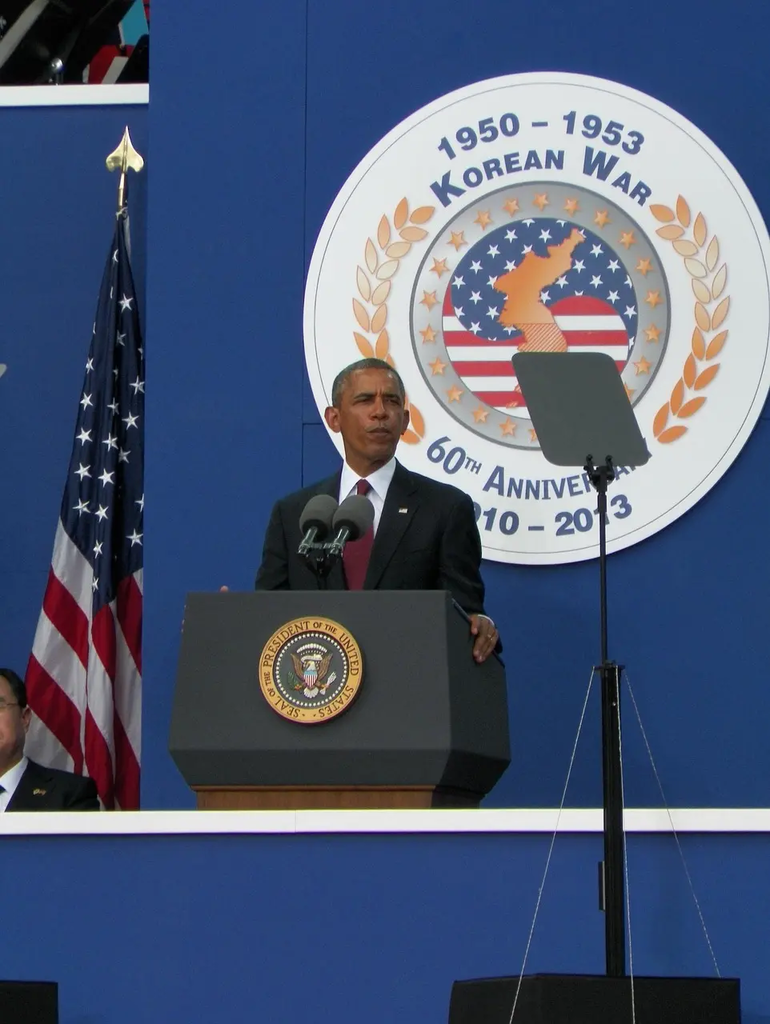
Immigration policy debates refer to discussions and disagreements among policymakers, experts, and the public regarding the rules and laws that govern the movement of people across borders. These debates often address issues such as border security, pathways to citizenship, refugee acceptance, economic impact, and humanitarian concerns. Perspectives vary widely, with some advocating for stricter controls and others promoting more open or inclusive policies, reflecting broader social, economic, and political priorities within a country.
Immigration Policy Debates
Immigration policy debates refer to discussions and disagreements among policymakers, experts, and the public regarding the rules and laws that govern the movement of people across borders. These debates often address issues such as border security, pathways to citizenship, refugee acceptance, economic impact, and humanitarian concerns. Perspectives vary widely, with some advocating for stricter controls and others promoting more open or inclusive policies, reflecting broader social, economic, and political priorities within a country.
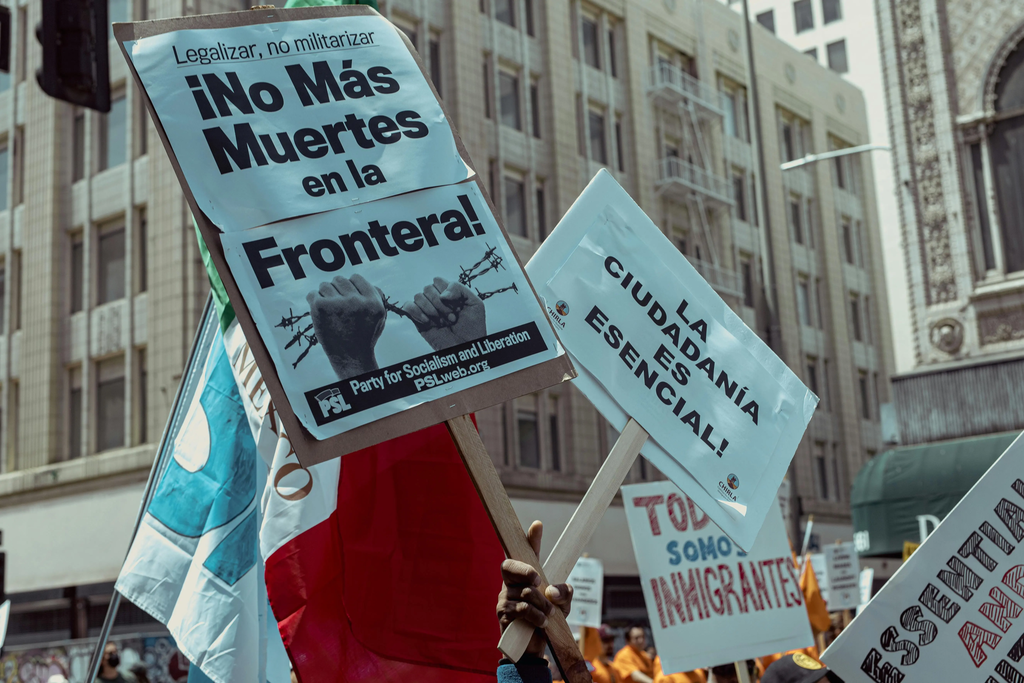
💡 Key Takeaways
- Understand the key policy levers: border security, pathways to citizenship, and refugee intake.
- Compare the trade-offs of stricter versus more open immigration policies and their economic and social effects.
- Recognize how asylum, refugee status, and temporary protections are debated in policy discussions.
- Identify how politics, public opinion, and interest groups influence immigration policy outcomes.
❓ Frequently Asked Questions
What is immigration policy?
A framework of laws and rules that determine who can enter, stay, work, and become a citizen, including border control, visa systems, asylum processes, and naturalization.
What does 'pathways to citizenship' mean in policy debates?
Legal routes that allow eligible immigrants to become citizens, usually involving residency requirements, background checks, language or civics tests, and time-based eligibility.
How are refugees and asylum seekers treated in policy debates?
Refugees are granted protection before or upon arrival; asylum seekers apply for protection after entry and must show a well-founded fear of persecution. Debates focus on protection levels, processing times, and resettlement.
How can immigration policy affect the economy?
Policies influence labor supply, innovation, and public finances through employment opportunities, integration costs, taxes, and social services; economists discuss potential net benefits or costs.