Climate change significantly affects oceans by increasing temperatures, causing sea level rise, and intensifying ocean acidification. These changes disrupt marine ecosystems, threaten coral reefs, and endanger countless species. Melting polar ice contributes to rising sea levels, leading to coastal erosion and habitat loss. Additionally, altered ocean currents and weather patterns impact fisheries and human communities that rely on the ocean for food and livelihoods, highlighting the urgent need for global action.
Impact of Climate Change on Oceans
Climate change significantly affects oceans by increasing temperatures, causing sea level rise, and intensifying ocean acidification. These changes disrupt marine ecosystems, threaten coral reefs, and endanger countless species. Melting polar ice contributes to rising sea levels, leading to coastal erosion and habitat loss. Additionally, altered ocean currents and weather patterns impact fisheries and human communities that rely on the ocean for food and livelihoods, highlighting the urgent need for global action.
💡 Key Takeaways
- Warming oceans affect marine life, coral reefs, and species distribution.
- Ocean acidification from CO2 harms shells and marine food webs.
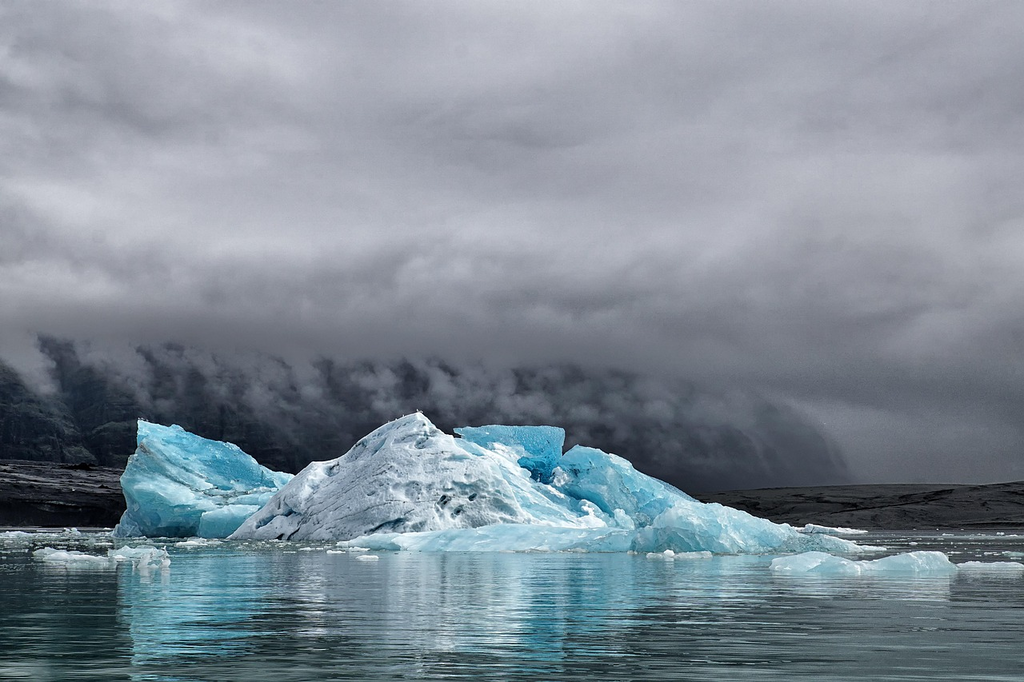
- Sea-level rise and melting ice reshape coastal habitats and communities.
- Changes in ocean currents and heat uptake influence global climate.
❓ Frequently Asked Questions
How does climate change impact ocean temperatures?
Greenhouse gas emissions trap heat, warming ocean waters. This affects marine life distributions, coral health, and overall ocean ecosystems.
What is ocean acidification and why does it matter?
Rising CO2 levels dissolve in seawater, lowering pH and reducing carbonate availability needed by corals and shell-forming organisms.
What causes sea level rise and what are its effects?
Melting ice and thermal expansion from warming oceans raise sea levels, threatening coastal habitats, infrastructure, and communities.
How does climate change affect marine life and fisheries?
Warming and deoxygenation shift species ranges and disrupt breeding and food webs, potentially reducing fish stocks and affecting livelihoods.