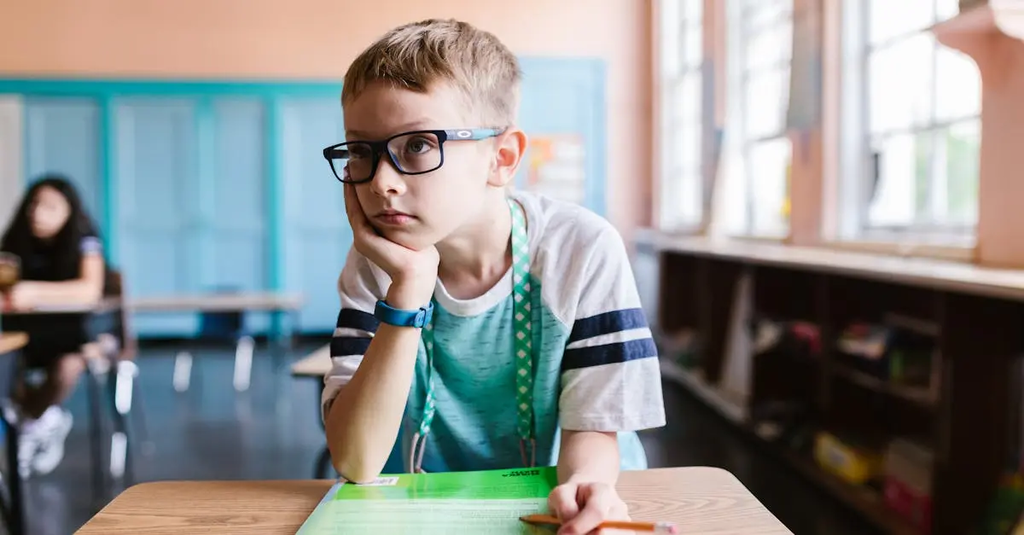
Inclusive Education Basics refers to the foundational principles and practices that ensure all students, regardless of their abilities, backgrounds, or learning needs, have equal access to quality education. It emphasizes adapting teaching methods, curricula, and environments to accommodate diverse learners. The goal is to foster a supportive, respectful classroom where everyone participates fully, promoting a sense of belonging and reducing barriers to learning for students with disabilities or other challenges.
Inclusive Education Basics
Inclusive Education Basics refers to the foundational principles and practices that ensure all students, regardless of their abilities, backgrounds, or learning needs, have equal access to quality education. It emphasizes adapting teaching methods, curricula, and environments to accommodate diverse learners. The goal is to foster a supportive, respectful classroom where everyone participates fully, promoting a sense of belonging and reducing barriers to learning for students with disabilities or other challenges.

💡 Key Takeaways
- Define inclusive education and its core principles.
- Explain how to adapt teaching methods to meet diverse learning needs.
- Describe accessible curricula and inclusive classroom environments.
- Discuss equitable assessment and collaborative practices to support all learners.
❓ Frequently Asked Questions
What is inclusive education?
An approach that ensures all students—regardless of abilities, backgrounds, or language—have equal access to quality instruction, participate with peers, and receive appropriate supports.
Why is inclusive education important?
It promotes equal opportunities, improves outcomes for all learners, reduces stigma, and reflects real-world diversity.
What strategies support inclusive classrooms?
Differentiated instruction, universal design for learning (UDL), accessible materials, flexible grouping, accommodations, and collaboration with specialists, families, and students.
What is Universal Design for Learning (UDL)?
A framework that provides multiple means of engagement, representation, and expression to meet diverse learning needs.
What roles do teachers and schools play?
Teachers adapt instruction and assessments; schools set inclusive policies and provide resources; families partner with schools to support learning at home and in the community.