Indigenous Art of the Americas encompasses the diverse visual and material creations of Native peoples from North, Central, and South America. This art includes pottery, textiles, sculpture, painting, beadwork, and ceremonial objects, often reflecting spiritual beliefs, cultural traditions, and connections to the land. Distinct styles and techniques vary among regions and tribes, with motifs and symbols conveying stories, histories, and cosmologies passed down through generations.
Indigenous Art of the Americas
Indigenous Art of the Americas encompasses the diverse visual and material creations of Native peoples from North, Central, and South America. This art includes pottery, textiles, sculpture, painting, beadwork, and ceremonial objects, often reflecting spiritual beliefs, cultural traditions, and connections to the land. Distinct styles and techniques vary among regions and tribes, with motifs and symbols conveying stories, histories, and cosmologies passed down through generations.
💡 Key Takeaways
- Identify the range of art forms across Indigenous Americas (pottery, textiles, sculpture, painting, beadwork, and ceremonial objects).
- Explain how art encodes spiritual beliefs, cultural traditions, and social meanings through symbols, colors, and materials.
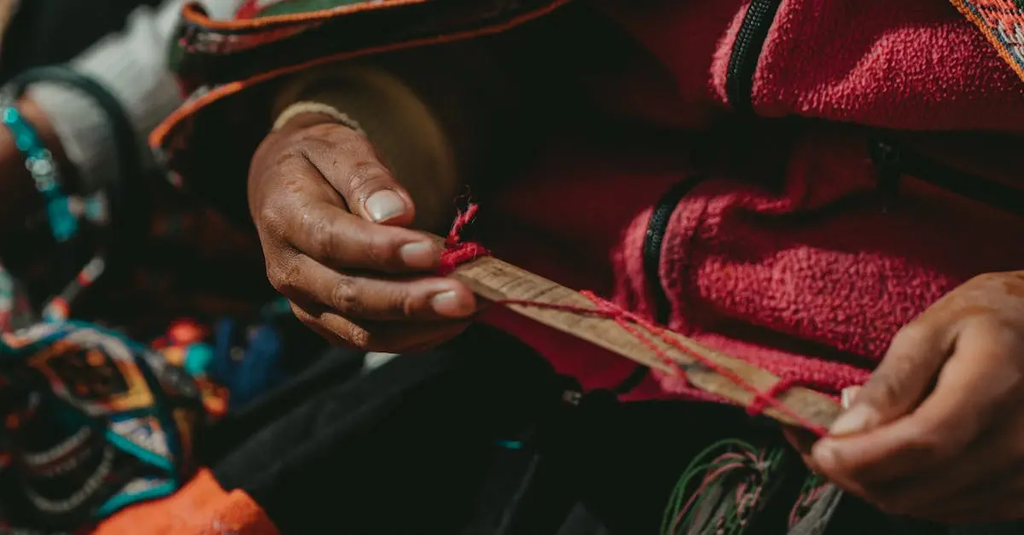
- Describe common techniques and materials used by Indigenous artists (clay, plant fibers, natural pigments, beadwork) and how environment shapes them.
- Understand the role of Indigenous art in ceremonies and daily life, and how contemporary artists continue, adapt, and reinterpret these traditions.
❓ Frequently Asked Questions
What does Indigenous Art of the Americas include?
It covers visual and material creations by Native peoples across North, Central, and South America—such as pottery, textiles, sculpture, painting, beadwork, and ceremonial objects—often tied to culture and beliefs.
What roles do symbols and spirituality play in these artworks?
Many pieces encode spiritual beliefs, cosmologies, and cultural stories; ceremonial objects are used in rites and dances, with patterns and motifs signaling identity and meaning.
How do regional differences influence Indigenous American art?
Regional styles reflect local resources and traditions, with distinct forms in areas like the Pacific Northwest, Southwest, Plains, Mesoamerica, Andes, and Amazon—varying materials, techniques, and motifs.
How should I analyze Indigenous American artwork for a quiz?
Identify the art form and medium, note regional style and cultural purpose, and look for symbolic motifs or ceremonies that connect the piece to community beliefs.