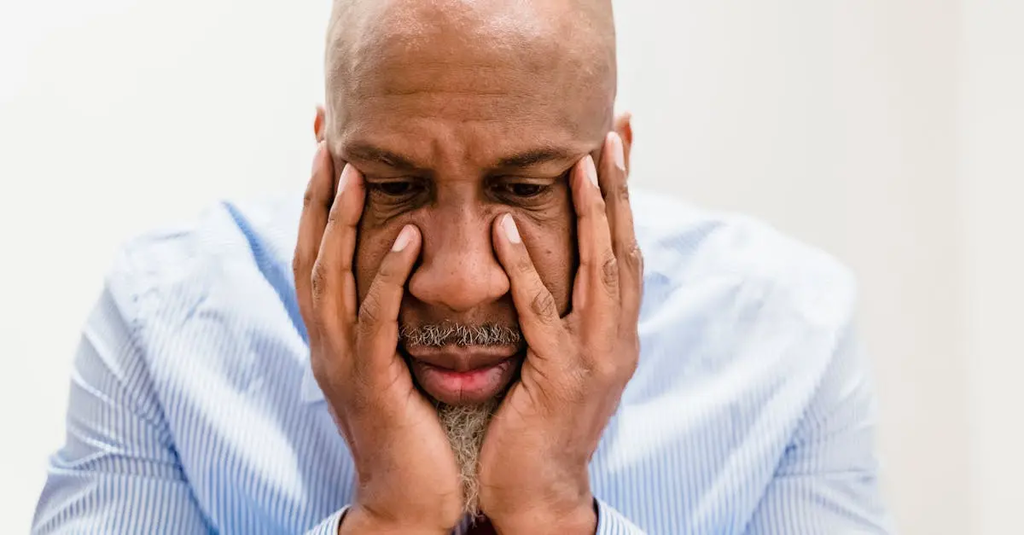
Industrial-Organizational Psychology is a branch of psychology focused on studying human behavior in workplaces. It applies psychological principles and research methods to solve problems related to employee motivation, productivity, job satisfaction, leadership, and organizational development. Professionals in this field work to improve hiring practices, training programs, workplace culture, and overall organizational effectiveness, aiming to enhance both employee well-being and business performance in various organizational settings.
Industrial-Organizational Psychology
Industrial-Organizational Psychology is a branch of psychology focused on studying human behavior in workplaces. It applies psychological principles and research methods to solve problems related to employee motivation, productivity, job satisfaction, leadership, and organizational development. Professionals in this field work to improve hiring practices, training programs, workplace culture, and overall organizational effectiveness, aiming to enhance both employee well-being and business performance in various organizational settings.

💡 Key Takeaways
- Understand what industrial-organizational psychology studies in the workplace.
- Describe how motivation, productivity, and job satisfaction are measured and improved.
- Identify common research methods used in I-O psychology (e.g., surveys, experiments, job analysis).
- Explain how I-O psychology informs leadership, teamwork, and organizational development.
❓ Frequently Asked Questions
What is Industrial-Organizational Psychology?
A branch of psychology that studies human behavior in the workplace to improve performance, motivation, job satisfaction, leadership, and overall organizational effectiveness.
What problems do I-O psychologists tackle?
Motivation, productivity, job satisfaction, leadership effectiveness, employee selection and training, teamwork, and organizational change.
What methods do I-O psychologists use?
Surveys, interviews, experiments, job analyses, psychometric tests, observations, and statistical analyses to develop evidence-based solutions.
How is I-O psychology different from HR or organizational behavior?
I-O psychology emphasizes rigorous scientific methods and measurement to solve workplace issues; OB focuses on organizational theories, while HR handles personnel practices and administration.
What are common applications of I-O psychology in the workplace?
Designing better selection systems, improving training and development, boosting motivation and engagement, developing leaders, enhancing team performance, and guiding organizational change.