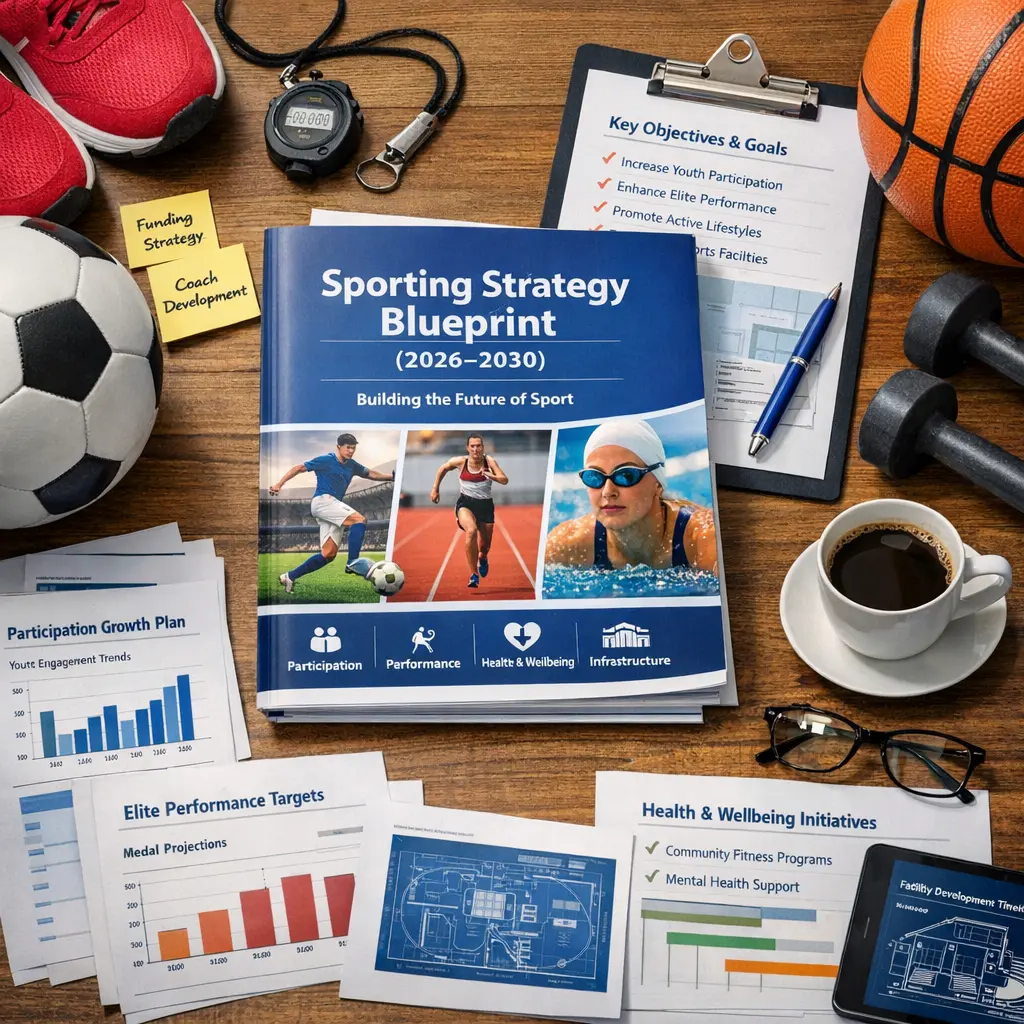
Injury Burden Analytics and Rotation Optimization at Manchester United F.C. refers to the use of data-driven methods to assess the impact of player injuries on team performance and to strategically manage player rotations. By analyzing injury patterns, recovery times, and workload, the club aims to minimize injuries, maintain player fitness, and optimize squad selection. This approach enhances team performance by ensuring key players are available for crucial matches while reducing the risk of overuse injuries.
Injury Burden Analytics and Rotation Optimization
Injury Burden Analytics and Rotation Optimization at Manchester United F.C. refers to the use of data-driven methods to assess the impact of player injuries on team performance and to strategically manage player rotations. By analyzing injury patterns, recovery times, and workload, the club aims to minimize injuries, maintain player fitness, and optimize squad selection. This approach enhances team performance by ensuring key players are available for crucial matches while reducing the risk of overuse injuries.
💡 Key Takeaways
- Understand how injury burden analytics quantify impact (incidence, severity, and burden) and why this informs rotation decisions.
- Learn how rotation optimization uses workload and recovery data to reduce injury risk while maintaining performance.
- Explore key metrics and models used in injury analytics (e.g., acute:chronic workload ratio, exposure, injury incidence rate) and how to interpret them.
- Apply practical steps to design rotation plans for training and competition that balance rest, exposure, and performance goals.
❓ Frequently Asked Questions
What is injury burden analytics?
A method to quantify a team's injury impact by combining how often injuries occur, how severe they are, and how long players are unavailable.
What is rotation optimization?
A strategy to manage playing time and rest so players stay performant while minimizing fatigue and overuse.
What data are used in these analyses?
Injury records, player exposure (minutes or games), workload measures (training load, intensity), recovery time, and injury severity (days out).
How does rotation optimization reduce injury risk?
By pacing workloads, spreading minutes, and avoiding sudden increases in effort that can lead to fatigue and overuse injuries.
What is the Acute:Chronic Workload Ratio (ACWR) and why does it matter?
It's a metric comparing short-term workload to long-term workload to detect spikes; keeping ACWR in a safe range helps prevent injuries.