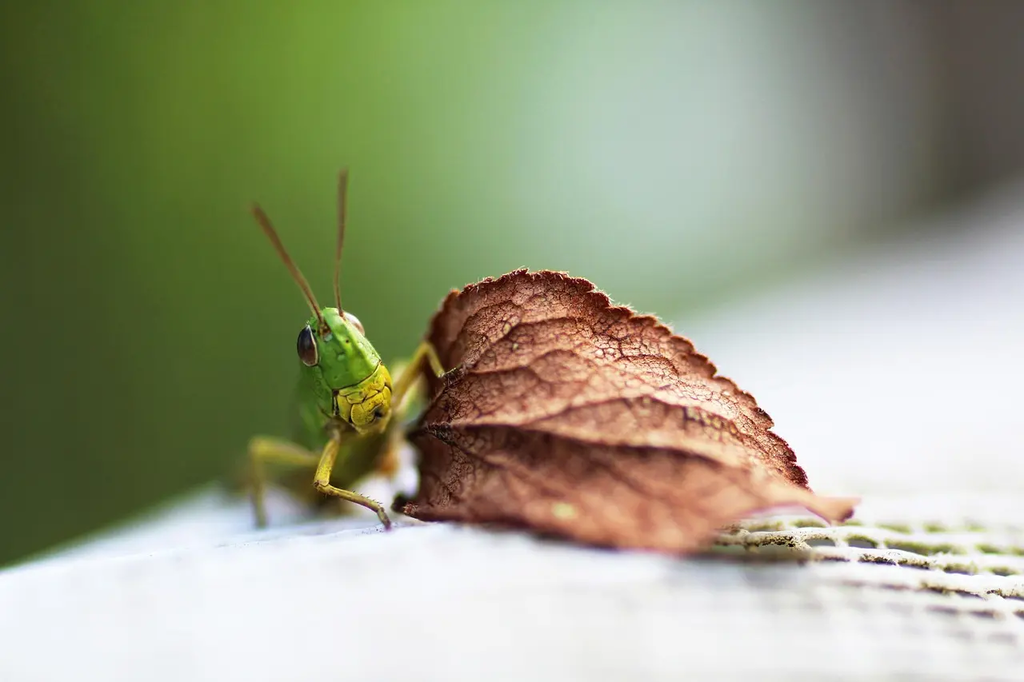
Insects, a major group within the animal kingdom, are small, six-legged creatures with segmented bodies and exoskeletons. They are incredibly diverse, including species like butterflies, ants, beetles, and bees. Insects play vital roles in ecosystems as pollinators, decomposers, and food sources for other animals. Found in almost every environment on Earth, they exhibit remarkable adaptability and are essential for maintaining ecological balance and supporting human agriculture.
Insects
Insects, a major group within the animal kingdom, are small, six-legged creatures with segmented bodies and exoskeletons. They are incredibly diverse, including species like butterflies, ants, beetles, and bees. Insects play vital roles in ecosystems as pollinators, decomposers, and food sources for other animals. Found in almost every environment on Earth, they exhibit remarkable adaptability and are essential for maintaining ecological balance and supporting human agriculture.
💡 Key Takeaways
- Identify major insect groups (beetles, bees, butterflies, ants) and give everyday examples.
- Describe insect life cycles and metamorphosis (egg, larva, pupa, adult).
- Explain insects' ecological roles, including pollination, decomposition, and pest control.
- Discuss how humans interact with insects and ways to protect beneficial species.
❓ Frequently Asked Questions
What defines an insect?
Insects are arthropods with three body parts (head, thorax, abdomen), six legs, one pair of antennae, and usually one or two pairs of wings. They have an external skeleton and breathe through small openings called spiracles.
What is metamorphosis in insects?
Many insects undergo metamorphosis. Incomplete metamorphosis is egg → nymphs that resemble adults (no pupal stage). Complete metamorphosis is egg → larva → pupa → adult, with very different-looking life stages.
Why are insects important to ecosystems?
Insects pollinate crops, help decompose organic matter, and serve as a key food source for many animals, contributing to biodiversity and ecosystem health.
How diverse are insects?
Insects are the most diverse animal group, occupying nearly every habitat. They range from tiny 1 mm individuals to several centimeters in length.