Insulation and thermal envelope refer to the materials and construction techniques used to minimize heat transfer between the interior and exterior of a building. The thermal envelope includes walls, roofs, windows, doors, and floors, all designed to create a continuous barrier. Proper insulation within this envelope helps maintain comfortable indoor temperatures, reduces energy consumption for heating and cooling, and enhances overall energy efficiency and occupant comfort in buildings.
Insulation & Thermal Envelope
Insulation and thermal envelope refer to the materials and construction techniques used to minimize heat transfer between the interior and exterior of a building. The thermal envelope includes walls, roofs, windows, doors, and floors, all designed to create a continuous barrier. Proper insulation within this envelope helps maintain comfortable indoor temperatures, reduces energy consumption for heating and cooling, and enhances overall energy efficiency and occupant comfort in buildings.
💡 Key Takeaways
- Understand how insulation and the thermal envelope minimize heat transfer to save energy and keep interiors comfortable.
- Identify the key components of the thermal envelope—walls, roofs, windows, doors, and floors—and how they form a continuous barrier.
- Learn how insulation materials and proper installation affect performance, including the importance of air sealing and appropriate R-values.
- Explore practical strategies to improve home envelope performance, such as sealing gaps, upgrading windows, and ensuring continuous insulation.
❓ Frequently Asked Questions
What is the thermal envelope?
The thermal envelope is the building’s boundary that minimizes heat transfer between indoors and outdoors, including walls, roof, floor, windows, and doors. It should be continuous and well-sealed.
How does insulation improve energy efficiency?
Insulation slows heat flow by adding resistance (R-value). It reduces heat loss in winter and heat gain in summer, making spaces more comfortable and lowering energy use.
Why is air sealing important alongside insulation?
Air sealing blocks drafts and moisture leaks. Gaps around windows, doors, and joints can undermine insulation by allowing convective heat transfer and infiltration.
What are common insulation materials and where are they used?
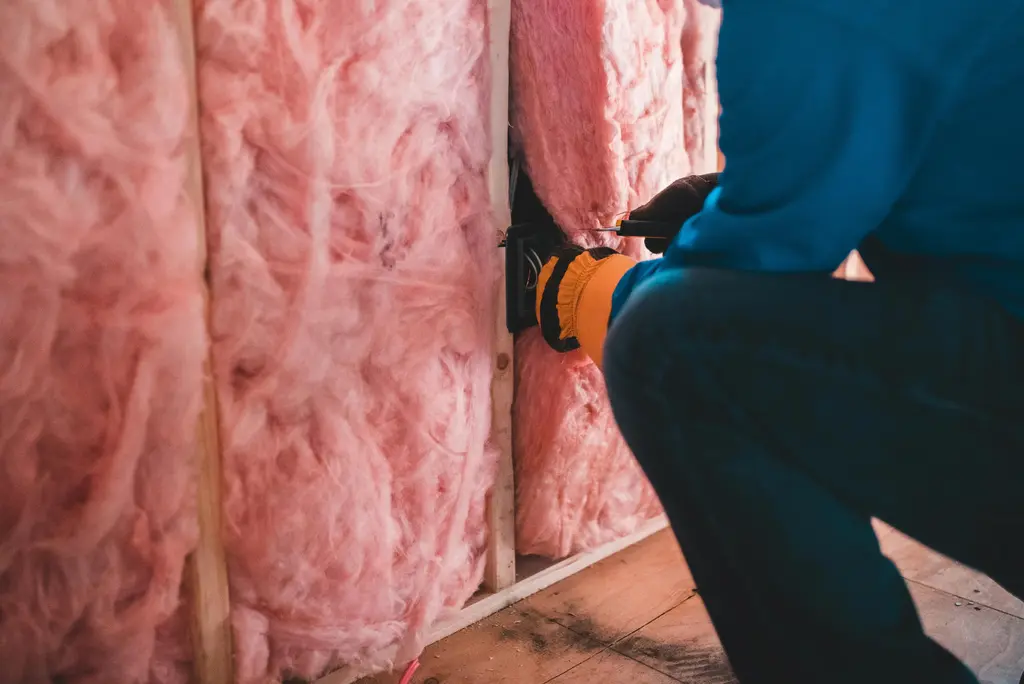
Fiberglass or cellulose for walls/attics; rigid foam boards for foundations or exterior sheathing; spray foams for air sealing and hard-to-reach gaps.
What do R-value and U-factor mean, and why do they matter?
R-value measures resistance to heat flow (higher is better). U-factor measures heat transfer through a component (lower is better). Together they indicate how well a building envelope resists heat transfer.