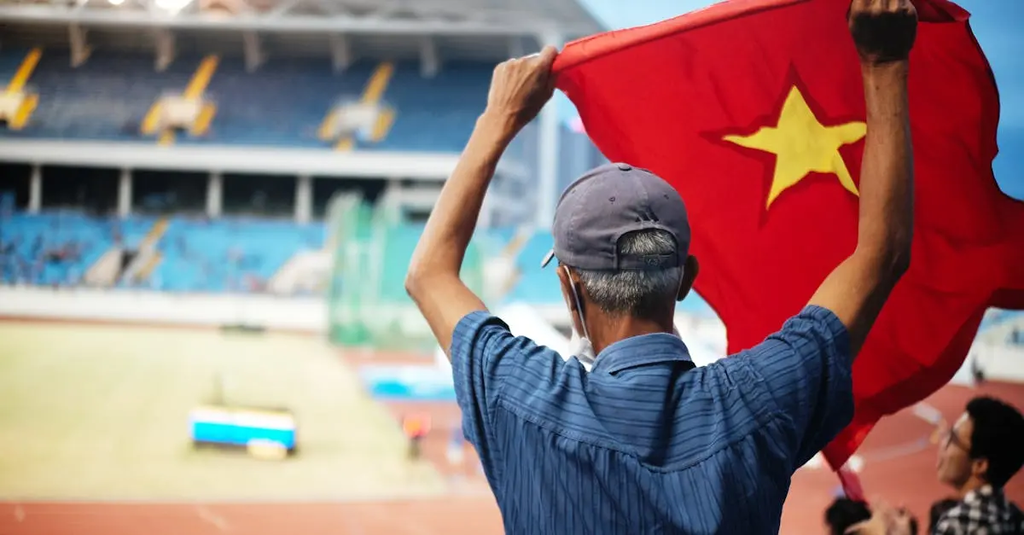
International rivalries in geopolitics refer to the ongoing competition and conflict between nations as they seek to advance their own interests, power, and influence on the global stage. These rivalries often involve disputes over territory, resources, ideology, or strategic alliances, and can lead to diplomatic tensions, economic competition, or even military confrontations. Such dynamics shape international relations, affecting global stability, security, and the balance of power among countries.
International Rivalries (Geopolitics)
International rivalries in geopolitics refer to the ongoing competition and conflict between nations as they seek to advance their own interests, power, and influence on the global stage. These rivalries often involve disputes over territory, resources, ideology, or strategic alliances, and can lead to diplomatic tensions, economic competition, or even military confrontations. Such dynamics shape international relations, affecting global stability, security, and the balance of power among countries.
💡 Key Takeaways
- Understand how geopolitics shapes international football rivalries and national team identity.
- Identify historical cases where political tensions influenced major matches and tournaments.
- Recognize the role of symbolism, diplomacy, and soft power in international fixtures (flags, chants, boycotts).
- Explain how governments and football bodies use sport as a diplomacy tool and how stakeholders manage risk and escalation.
❓ Frequently Asked Questions
What is geopolitical rivalry between nations?
A competition between states to expand power, influence, or security on the global stage, often through diplomacy, economics, and strategic moves.
What are common drivers of international rivalries?
Territory disputes, access to resources, ideological differences, security concerns, arms competition, and competing alliances or blocs.
How do rivalries affect international relations and policy?
They shape treaties, sanctions, military postures, trade, and alliances, and can lead to conflict or negotiated settlements.
Do geopolitical rivalries show up in football or sports?
They can influence national team rivalries and fan sentiment; sports also offer soft power and diplomacy by bringing countries together through competition.
How should you evaluate a current geopolitical rivalry?
Follow credible sources, monitor official statements, military or economic indicators, and shifts in alliances to understand interests and likely outcomes.