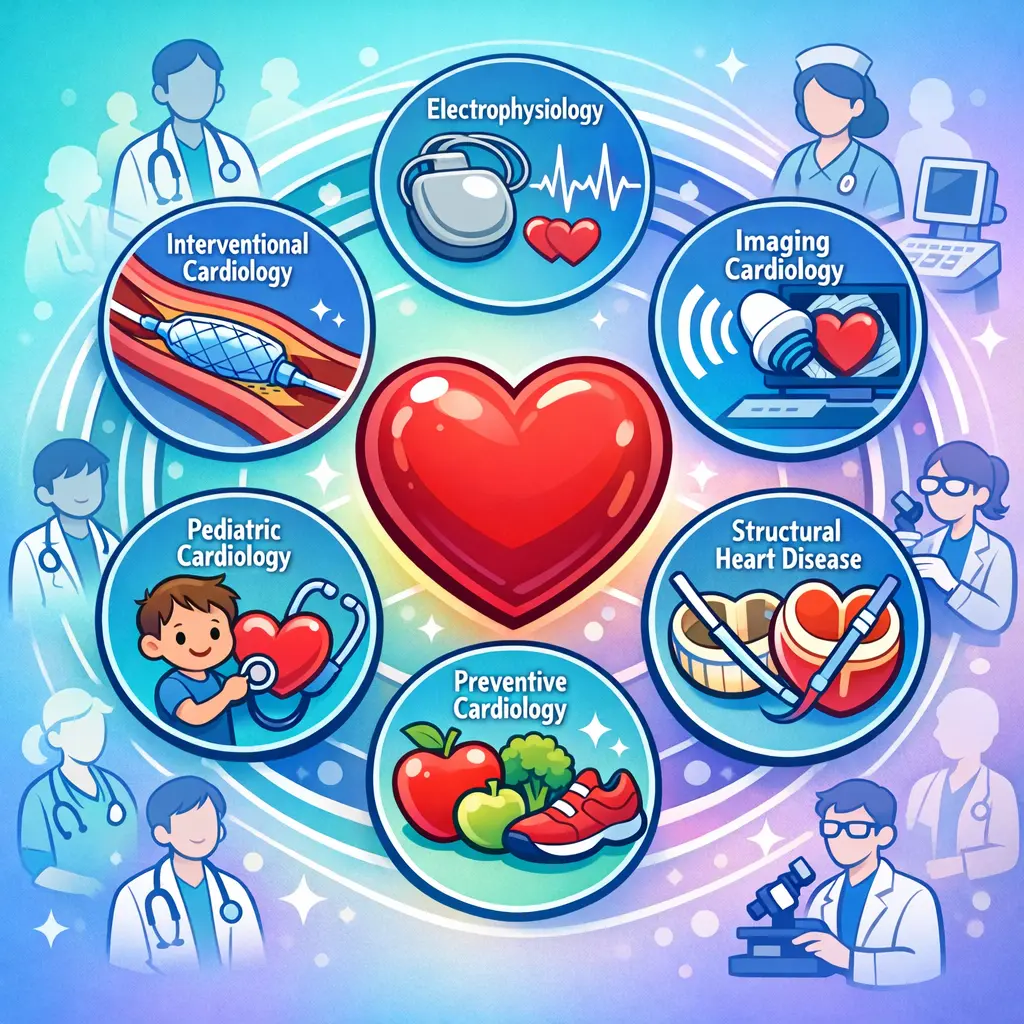
Interprofessional collaboration and teamwork in healthcare and medicine involve professionals from various disciplines—such as doctors, nurses, pharmacists, and therapists—working together to provide comprehensive patient care. This approach fosters open communication, shared decision-making, and mutual respect, ultimately improving patient outcomes and safety. Effective teamwork leverages the unique expertise of each team member, reduces errors, enhances efficiency, and ensures that patient care is coordinated and holistic, addressing both medical and psychosocial needs.
Interprofessional Collaboration & Teamwork
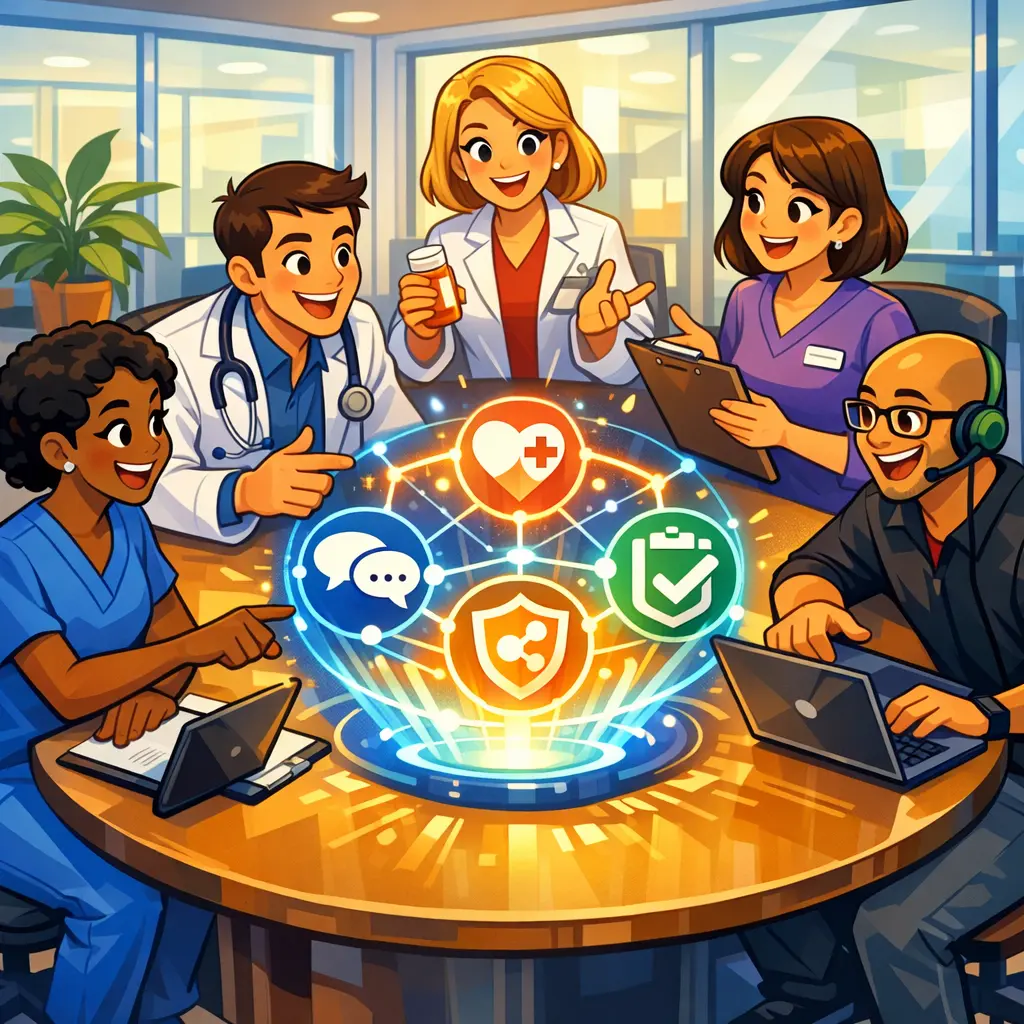
Interprofessional collaboration and teamwork in healthcare and medicine involve professionals from various disciplines—such as doctors, nurses, pharmacists, and therapists—working together to provide comprehensive patient care. This approach fosters open communication, shared decision-making, and mutual respect, ultimately improving patient outcomes and safety. Effective teamwork leverages the unique expertise of each team member, reduces errors, enhances efficiency, and ensures that patient care is coordinated and holistic, addressing both medical and psychosocial needs.
💡 Key Takeaways
- Identify the roles and strengths of different professionals and how they contribute to team goals.
- Demonstrate clear interprofessional communication to improve collaboration and outcomes.
- Apply collaborative decision-making and shared planning in care coordination.
- Recognize common barriers to teamwork and use strategies to resolve conflicts and build trust.
❓ Frequently Asked Questions
What is interprofessional collaboration?
A collaborative process where professionals from different disciplines work together with patients and families to plan, deliver, and improve care.
How does teamwork differ from working alone in healthcare?
Teamwork combines diverse expertise with coordinated roles, shared goals, open communication, and mutual support to provide safer, more effective care.
Why is effective communication important in interprofessional teams?
It reduces errors, aligns goals across disciplines, ensures all perspectives are heard, and helps make patient-centered decisions.
What are common barriers to interprofessional collaboration and how can they be addressed?
Barriers include unclear roles, hierarchy, time constraints, and jargon. Address with role clarification, structured tools (like SBAR), regular briefings, and joint training.
What are the benefits of interprofessional collaboration for patients?
Improved safety, more comprehensive care, faster problem-solving, better care coordination, and higher patient satisfaction.