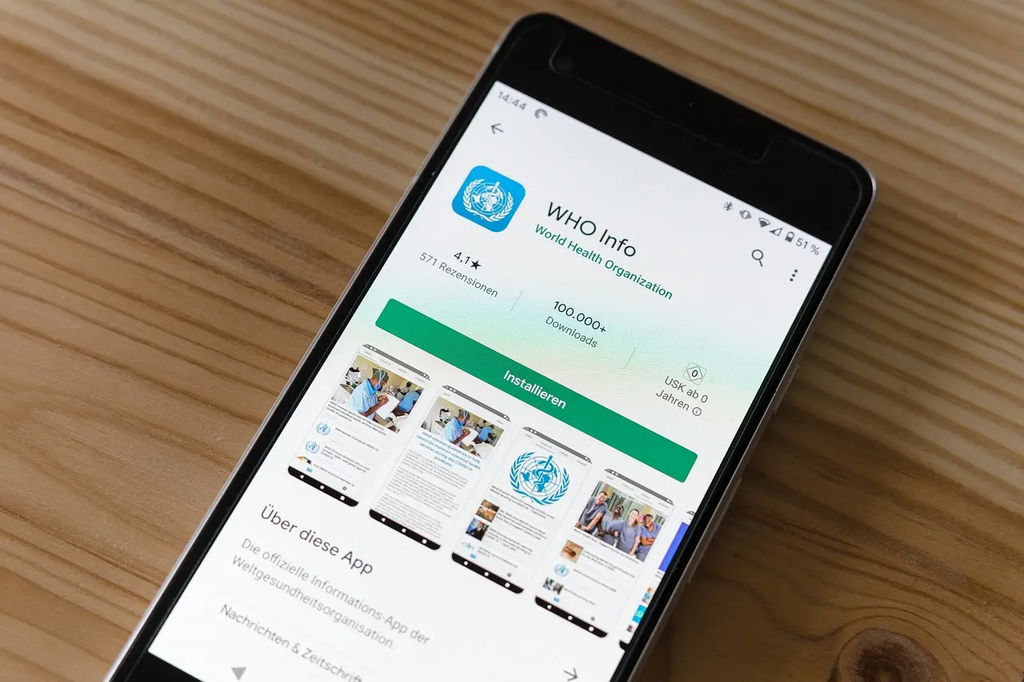
Introduction to App Analytics (Daily Mobile Apps) refers to the process of collecting, measuring, and analyzing data generated by users interacting with mobile applications on a daily basis. This practice helps app developers and businesses understand user behavior, track key performance indicators such as downloads, active users, retention rates, and in-app engagement, and make data-driven decisions. By leveraging app analytics, organizations can optimize user experience, improve app functionality, and drive business growth.
Introduction to App Analytics
Introduction to App Analytics (Daily Mobile Apps) refers to the process of collecting, measuring, and analyzing data generated by users interacting with mobile applications on a daily basis. This practice helps app developers and businesses understand user behavior, track key performance indicators such as downloads, active users, retention rates, and in-app engagement, and make data-driven decisions. By leveraging app analytics, organizations can optimize user experience, improve app functionality, and drive business growth.

💡 Key Takeaways
- Understand what app analytics is and why it matters for product decisions.
- Identify key metrics (retention, DAU/MAU, session length, conversions) and what they indicate.
- Learn how to track user actions with events, funnels, and dashboards to map user journeys.
- Use insights to optimize onboarding, retention, and in-app conversions.
❓ Frequently Asked Questions
What is app analytics?
App analytics is the collection and analysis of data from a mobile app to understand user behavior, performance, and business impact.
What are the most common metrics in app analytics?
Key metrics include DAU/MAU, session length, retention, churn, conversions, and revenue indicators like lifetime value (LTV) and ARPU.
What is the difference between DAU, MAU, and retention?
DAU and MAU measure how many users engage with the app daily or monthly. Retention measures how many users return after a period, indicating long-term engagement.
What is a user funnel and why is it important?
A funnel tracks steps users take toward a goal (e.g., onboarding, first purchase) to identify where they drop off and optimize the path to conversion.
What is event tracking and why is it useful?
Event tracking logs specific user actions (taps, screen views) to quantify behavior and measure how effectively features drive goals.