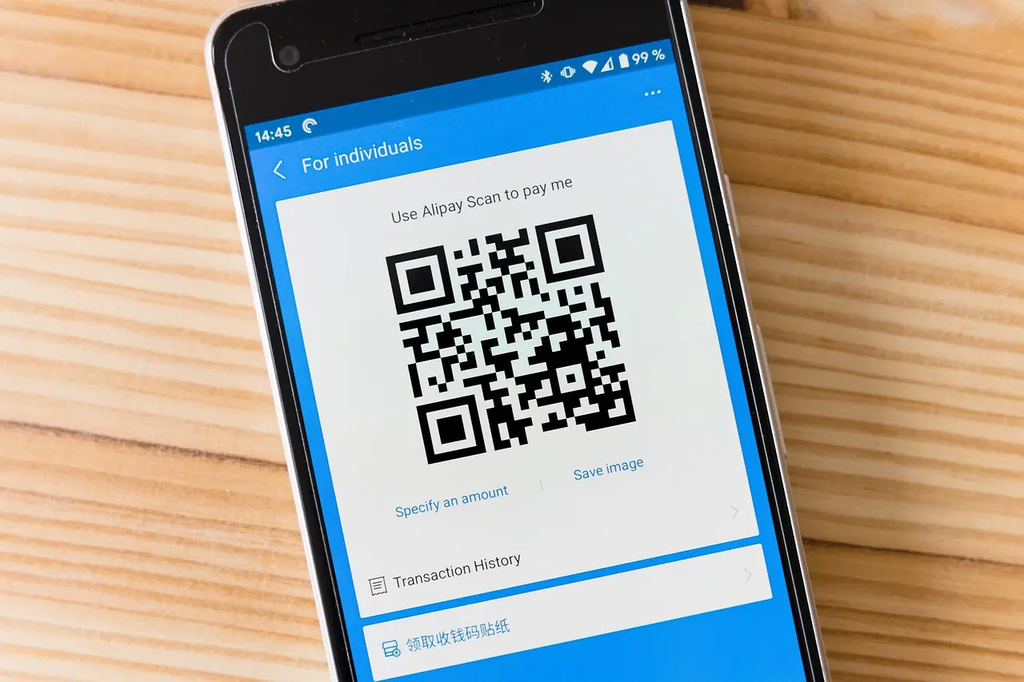
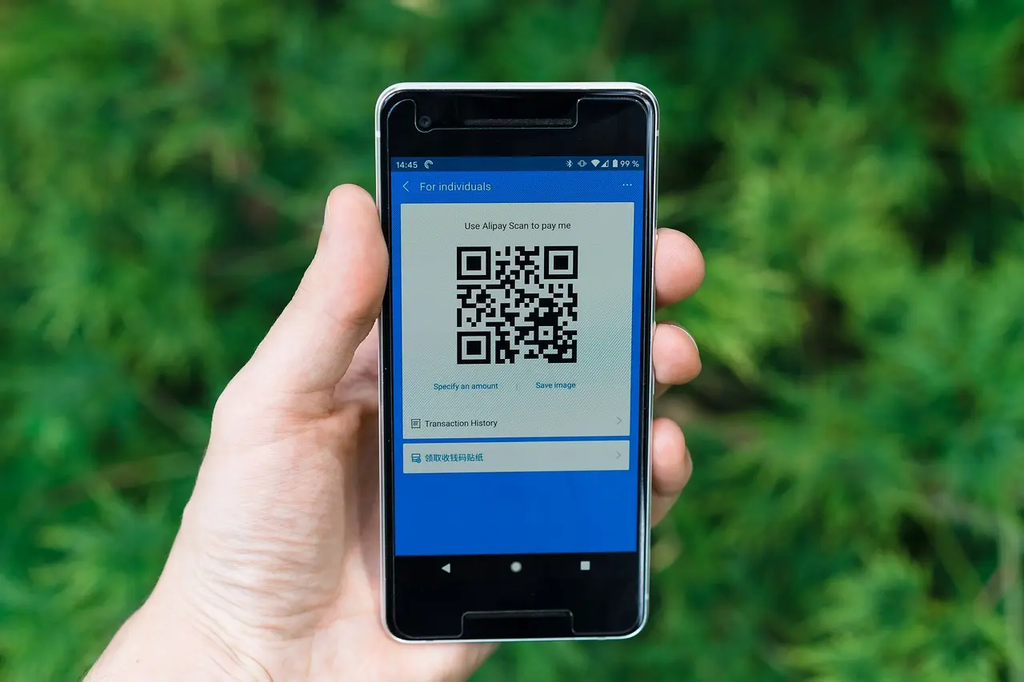
Introduction to App Ecosystem Integration (Daily Mobile Apps) refers to the process of connecting and synchronizing various mobile applications to work seamlessly together. This integration enables users to access, share, and manage data across multiple apps, enhancing productivity and user experience. It involves the use of APIs, cloud services, and third-party tools to create a cohesive digital environment where daily mobile apps communicate efficiently, automate tasks, and provide unified functionalities.
Introduction to App Ecosystem Integration
Introduction to App Ecosystem Integration (Daily Mobile Apps) refers to the process of connecting and synchronizing various mobile applications to work seamlessly together. This integration enables users to access, share, and manage data across multiple apps, enhancing productivity and user experience. It involves the use of APIs, cloud services, and third-party tools to create a cohesive digital environment where daily mobile apps communicate efficiently, automate tasks, and provide unified functionalities.
💡 Key Takeaways
- Define an app ecosystem and why cross-app integration matters.
- Explore common integration patterns (APIs, webhooks, middleware).
- Map data flow, authentication, and events across integrated apps.
- Assess tools and strategies for scalable, secure integrations.
❓ Frequently Asked Questions
What is app ecosystem integration?
The process of making multiple apps, services, and data sources work together by exchanging information and automating workflows, so users get a seamless experience.
What are common integration primitives used to connect apps?
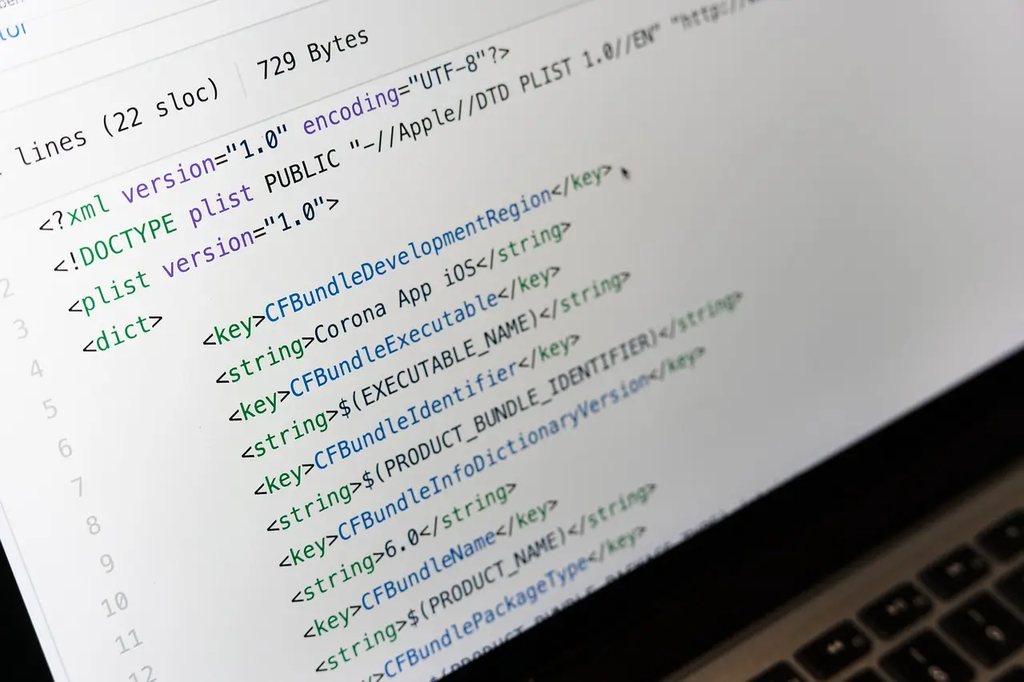
APIs, webhooks, and SDKs are core tools; middleware and API gateways help manage connections, while data formats like JSON or XML enable consistent data exchange.
Why are data formats important in app integration?
Standard formats like JSON or XML ensure consistent data structure so different apps can parse, validate, and reuse information reliably.
Why is security important in app integration?
To verify identities, protect data in transit and at rest, and enforce access controls across connected systems.
What is the difference between event-driven and request-driven integration?
Event-driven uses events or webhooks to react in real time, while request-driven (polling) queries data on demand; both enable different synchronization patterns.