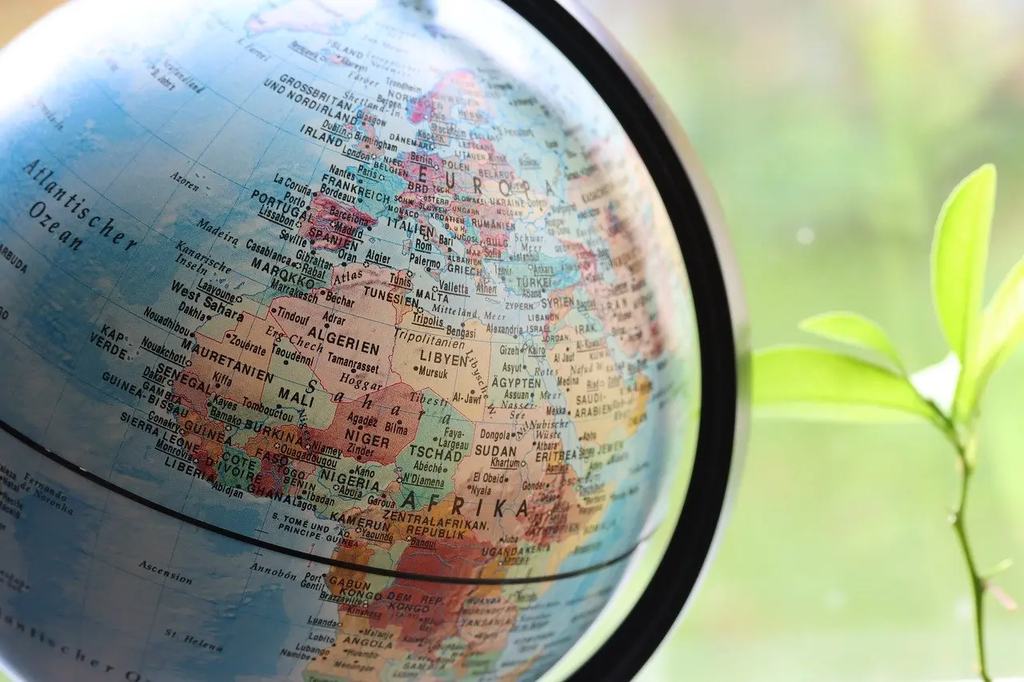
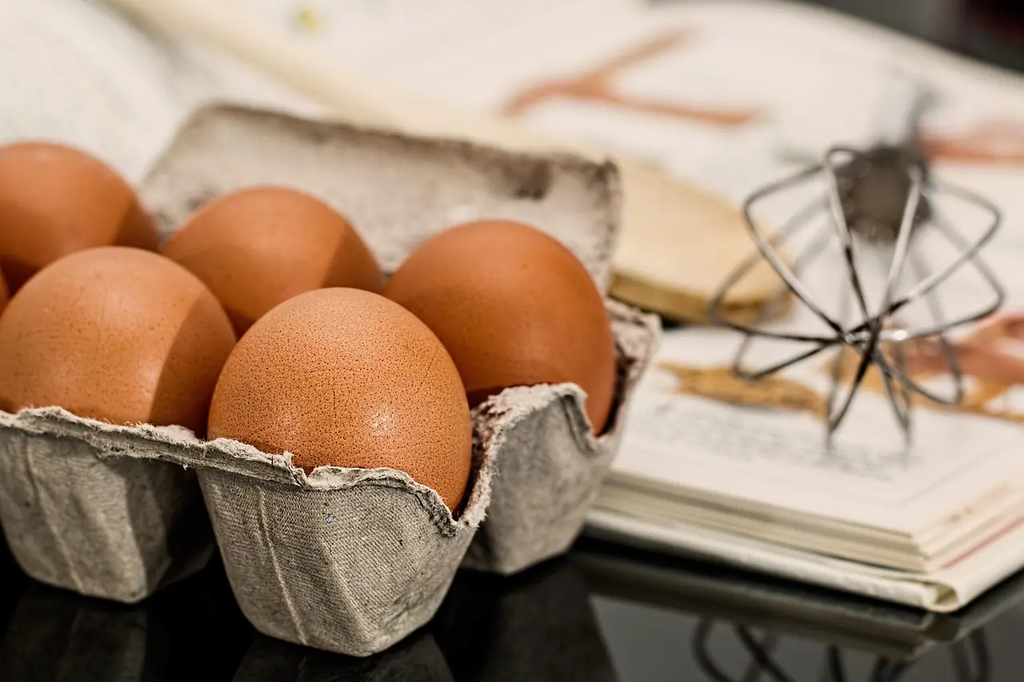
"Introduction to Food Cultures (Food & Global Flavors)" explores the diverse ways in which food reflects and shapes cultural identities around the world. It examines traditional ingredients, cooking methods, and eating customs from various regions, highlighting how history, geography, and migration influence global cuisines. Through this study, one gains an appreciation for the rich tapestry of flavors and the social significance of food in connecting people across different cultures.
Introduction to Food Cultures+50
"Introduction to Food Cultures (Food & Global Flavors)" explores the diverse ways in which food reflects and shapes cultural identities around the world. It examines traditional ingredients, cooking methods, and eating customs from various regions, highlighting how history, geography, and migration influence global cuisines. Through this study, one gains an appreciation for the rich tapestry of flavors and the social significance of food in connecting people across different cultures.
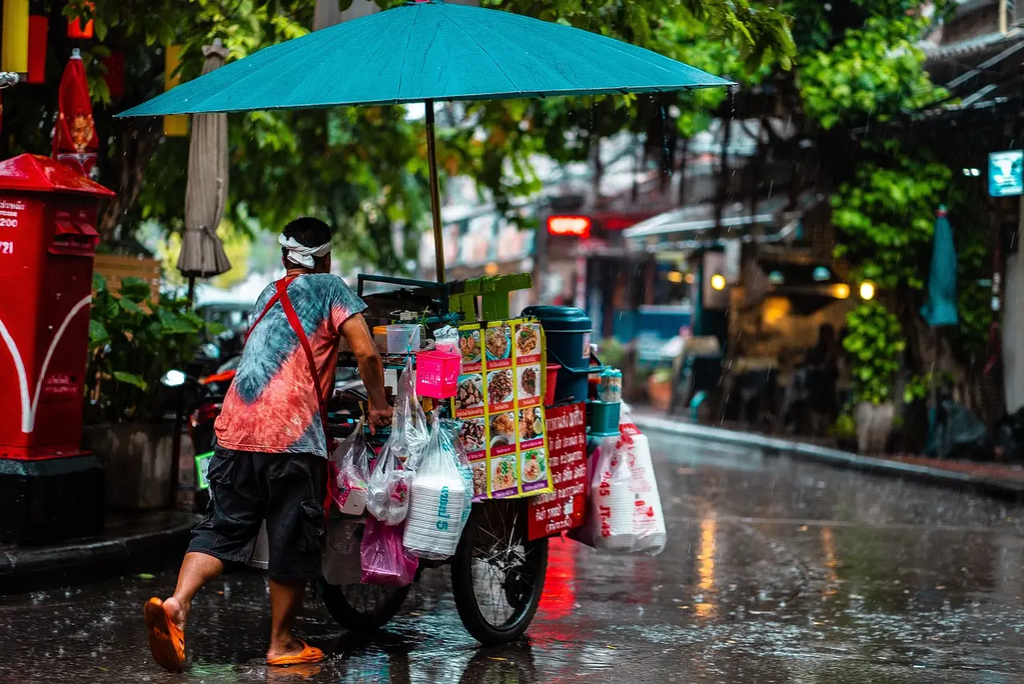
💡 Key Takeaways
- Understand what food culture means and how it influences what people eat and why.
- Identify the main factors shaping a region's food culture (geography, climate, religion, history, economy).
- Recognize examples of distinct cuisines and food practices from around the world.
- Explain how cultural exchange, migration, and globalization are changing local food traditions.
❓ Frequently Asked Questions
What is food culture?
Food culture refers to the shared practices, beliefs, and meanings around food in a community—what people eat, how they prepare it, and the social roles meals play.
What factors shape a region's cuisine?
Geography, climate, history, religion, agriculture, and trade influence which ingredients are available and how meals are prepared.
How are regional cuisines different from national cuisines?
Regional cuisines reflect local ingredients and customs within a country, while national cuisine describes broader culinary patterns that span the whole nation.
What is fusion cuisine and how does it relate to food cultures?
Fusion cuisine blends elements from multiple culinary traditions, highlighting cultural exchange and the evolving nature of food cultures.