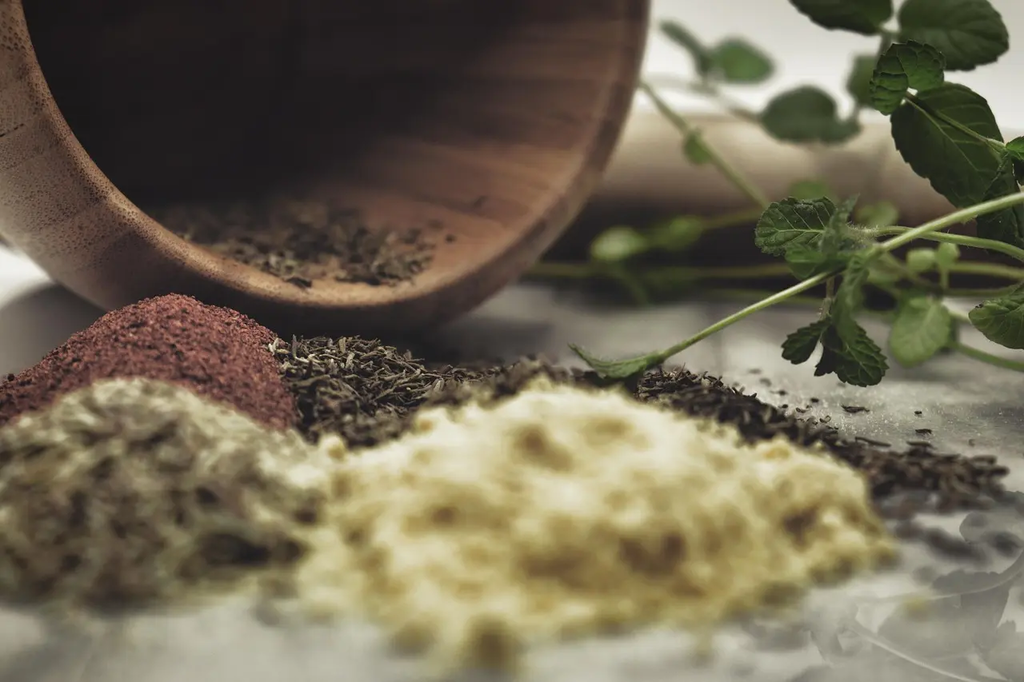
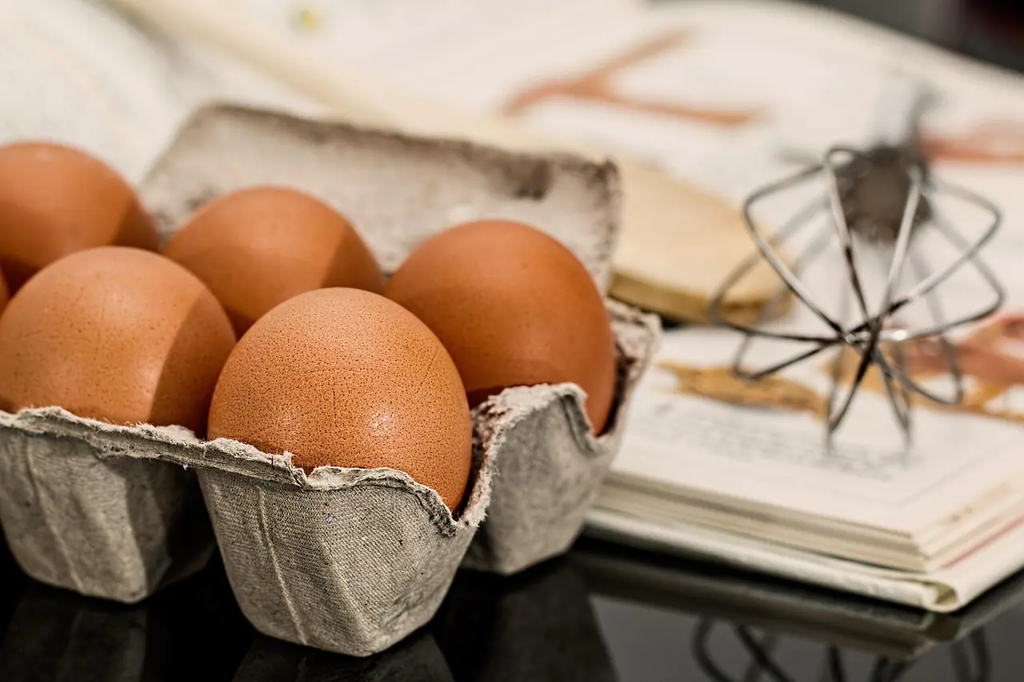
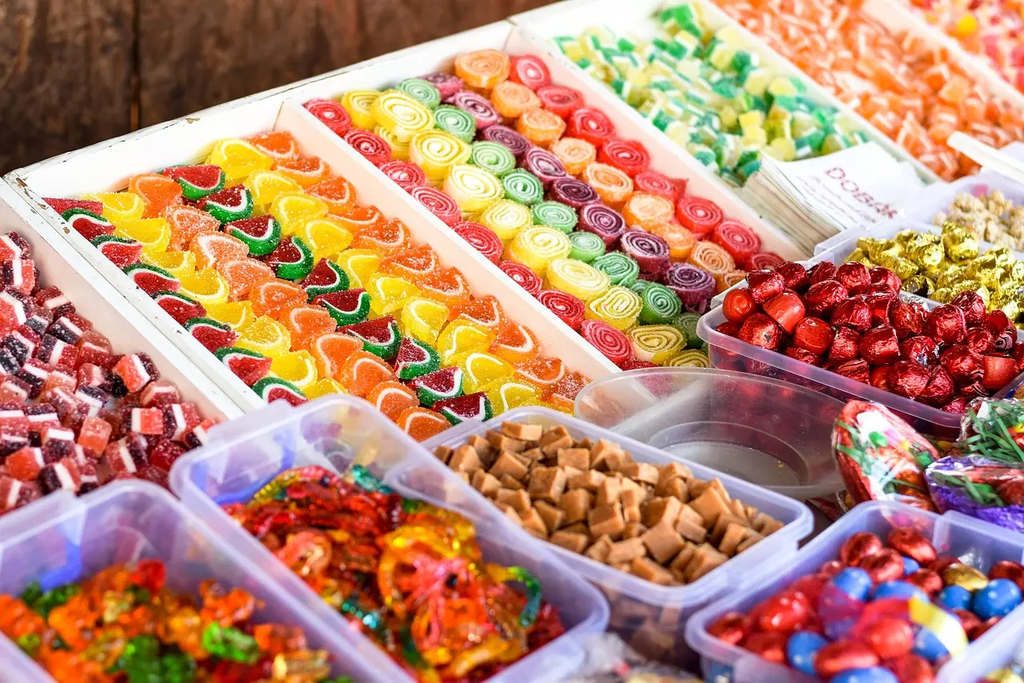
Advanced Culinary Aesthetics (Food & Global Flavors) refers to the sophisticated art of presenting food in visually stunning ways while incorporating diverse tastes from around the world. It emphasizes innovative plating techniques, creative ingredient combinations, and attention to color, texture, and form. This approach not only elevates the dining experience but also celebrates multicultural influences, blending traditional and modern culinary practices to delight both the palate and the eyes.
Advanced Culinary Aesthetics
Advanced Culinary Aesthetics (Food & Global Flavors) refers to the sophisticated art of presenting food in visually stunning ways while incorporating diverse tastes from around the world. It emphasizes innovative plating techniques, creative ingredient combinations, and attention to color, texture, and form. This approach not only elevates the dining experience but also celebrates multicultural influences, blending traditional and modern culinary practices to delight both the palate and the eyes.
💡 Key Takeaways
- Understand how color, texture, and composition influence the perceived taste and dining experience.
- Master advanced plating techniques to create visually balanced and dynamic presentations.
- Apply color theory, contrast, and negative space to elevate plate aesthetics across cuisines.
- Critically evaluate plating for balance, focal point, and storytelling to suit different occasions.
❓ Frequently Asked Questions
What does "Advanced Culinary Aesthetics" mean in practice?
It refers to plating, color harmony, texture variety, and spatial design on a plate to elevate a dish beyond taste alone.
What elements should I consider when plating a dish?
Color contrast, shape and height, balance of components, sauce application, and deliberate use of negative space.
How do color and texture influence flavor perception?
Color sets expectations and can prime taste perception, while varied textures heighten mouthfeel and make flavors feel more dynamic.
What are common plating techniques used by chefs?
Careful saucing (dots, swooshes), vertical stacking, strategic spacing, microgreens as accents, and thoughtful use of height and negative space.