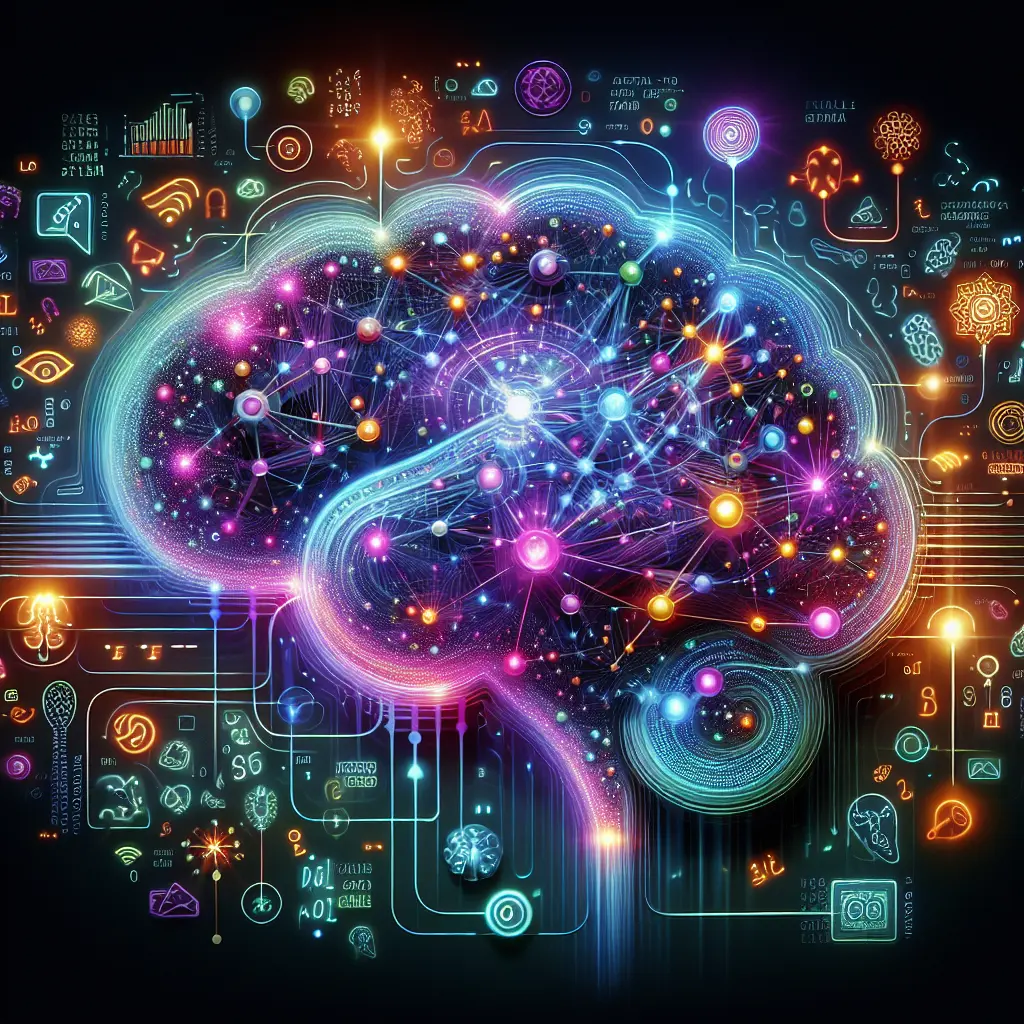
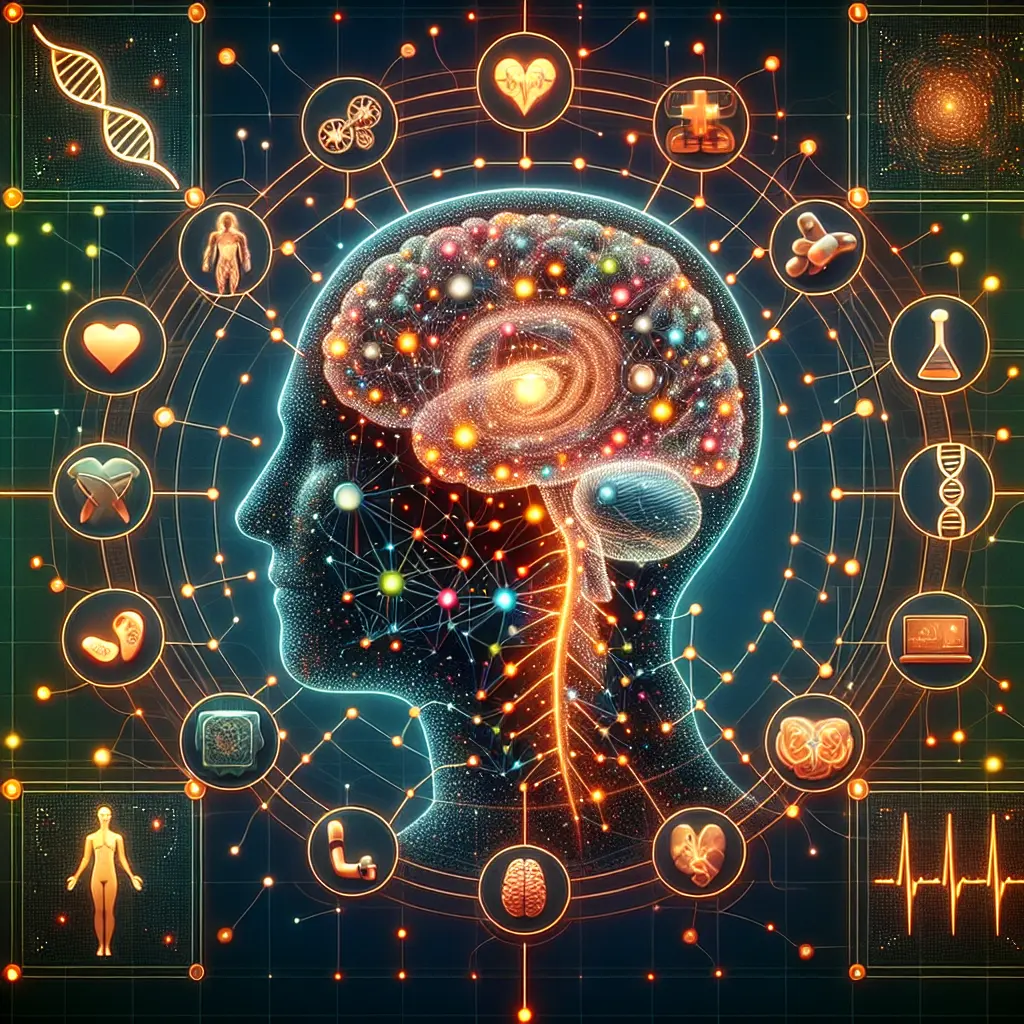
An introduction to neural networks for autonomous systems covers the fundamental concepts of how artificial neural networks mimic the human brain to process data, recognize patterns, and make decisions. It explores their architecture, learning algorithms, and applications in autonomous systems such as self-driving cars, drones, and robotics. The focus is on how neural networks enable these systems to perceive their environment, adapt to new situations, and perform tasks with minimal human intervention.
Introduction to Neural Network for Autonomous Systems
An introduction to neural networks for autonomous systems covers the fundamental concepts of how artificial neural networks mimic the human brain to process data, recognize patterns, and make decisions. It explores their architecture, learning algorithms, and applications in autonomous systems such as self-driving cars, drones, and robotics. The focus is on how neural networks enable these systems to perceive their environment, adapt to new situations, and perform tasks with minimal human intervention.

💡 Key Takeaways
- Understand how neural networks mimic the brain to process data and recognize patterns.
- Learn the core architecture (neurons, layers, activation functions) and how information flows through a network.
- Explore learning algorithms and training methods, including backpropagation and supervised/unsupervised approaches.
- See how neural networks enable perception, decision-making, and control tasks in autonomous systems.
- Consider practical challenges and safety considerations when deploying neural networks in autonomous environments.
❓ Frequently Asked Questions
What is a neural network?
An artificial system of interconnected neurons that processes data through layers to learn patterns and make predictions or decisions.
What is the basic architecture of a neural network?
It has an input layer, one or more hidden layers, and an output layer. Neurons connect via weights and use activation functions to transform data as it flows forward.
What is backpropagation and why is learning important?
Backpropagation is a training method that computes errors at the output and propagates them backward to adjust weights, enabling the network to improve its predictions.
How are neural networks used in autonomous systems?
They support perception (recognizing objects from sensor data), decision-making (planning actions), and control (executing motions). Applications include self-driving cars, drones, and robots.