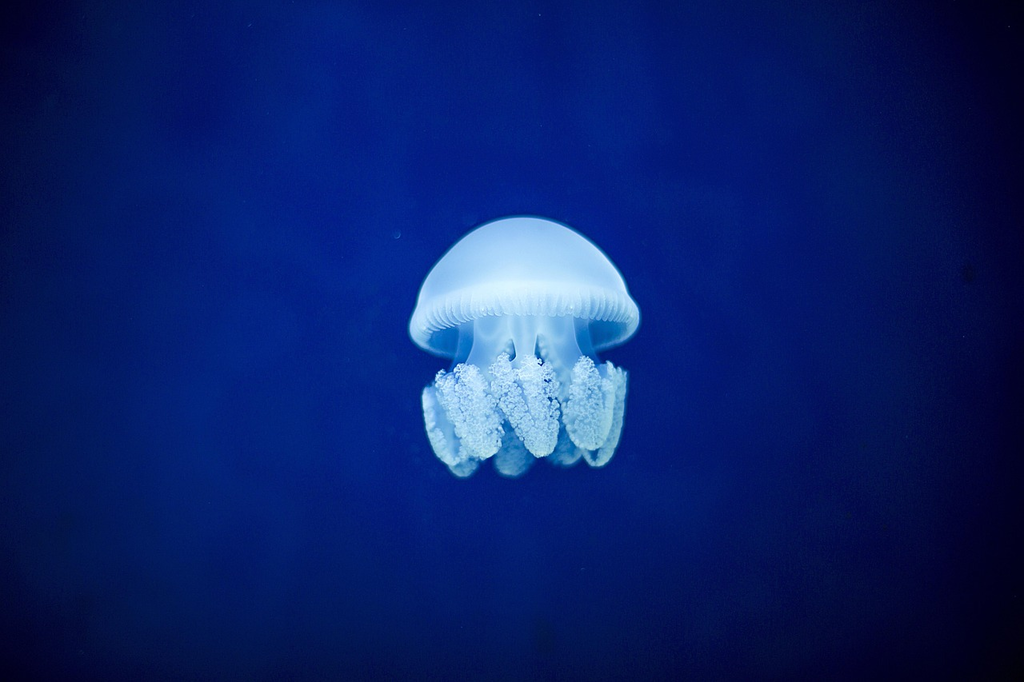
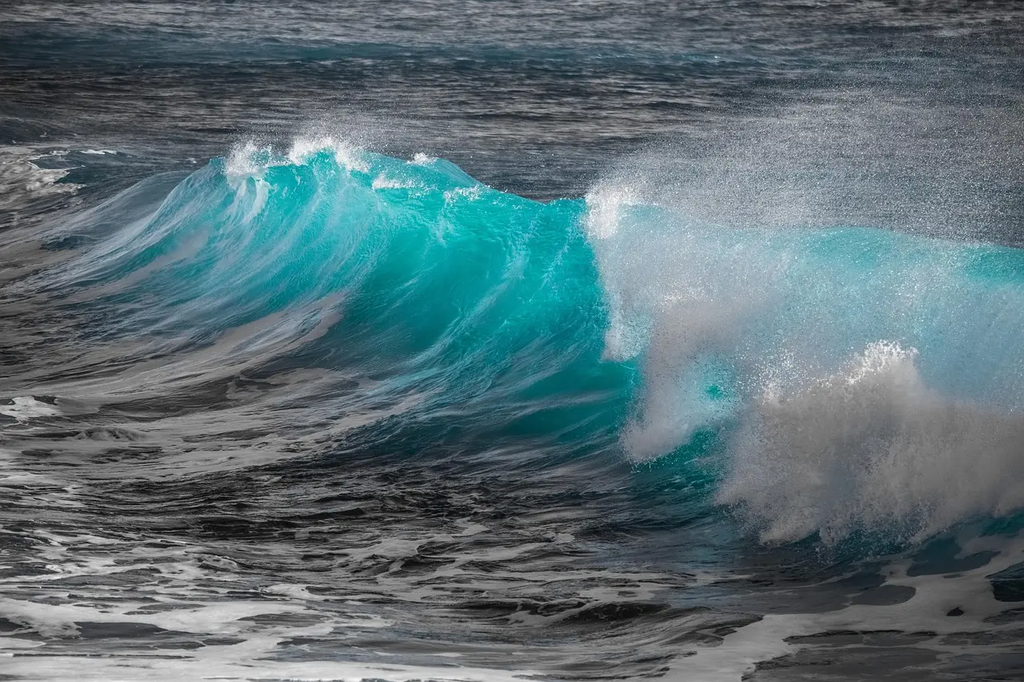
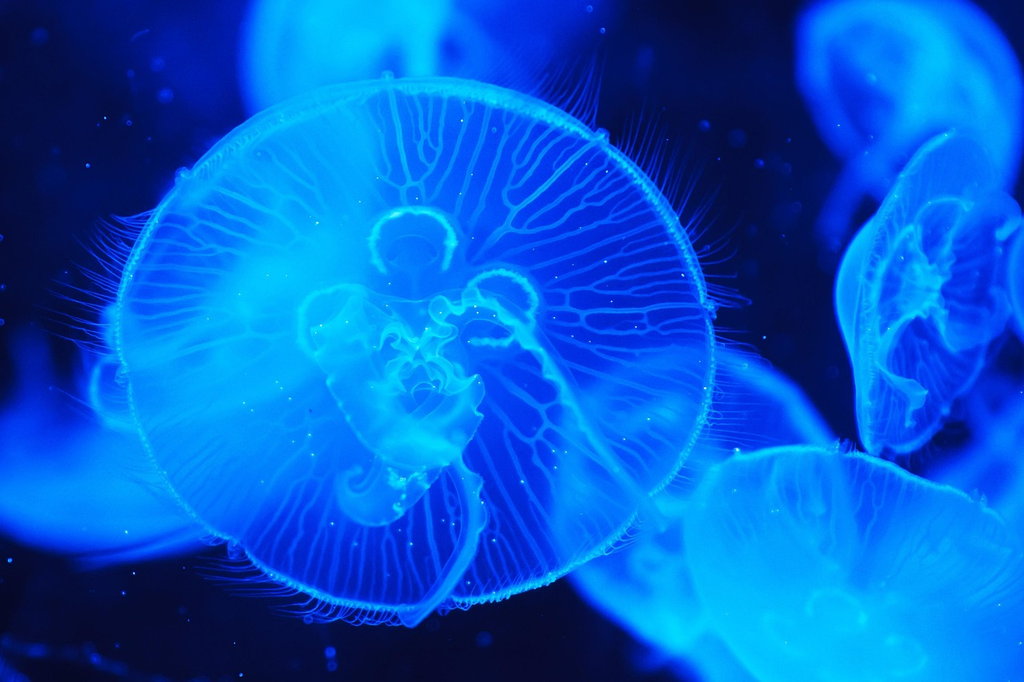
"Introduction to Oceanography (Planet Earth: Oceans & Seas)" explores the scientific study of Earth's oceans and seas, covering their physical, chemical, biological, and geological characteristics. It examines ocean currents, marine ecosystems, tides, waves, and the role of oceans in climate regulation. This foundational overview highlights the importance of oceans for supporting life, influencing weather patterns, and sustaining global biodiversity, while also addressing environmental challenges affecting marine environments.
Introduction to Oceanography
"Introduction to Oceanography (Planet Earth: Oceans & Seas)" explores the scientific study of Earth's oceans and seas, covering their physical, chemical, biological, and geological characteristics. It examines ocean currents, marine ecosystems, tides, waves, and the role of oceans in climate regulation. This foundational overview highlights the importance of oceans for supporting life, influencing weather patterns, and sustaining global biodiversity, while also addressing environmental challenges affecting marine environments.
💡 Key Takeaways
- Understand the scope of oceanography and its four main subfields (physical, chemical, biological, geological).
- Identify how ocean currents, waves, and tides shape climate and coastal environments.
- Learn key ocean properties (salinity, temperature, depth) and the common tools used to measure them.
- Recognize the ocean's role in supporting life, climate, and human society, plus major threats to marine ecosystems.
❓ Frequently Asked Questions
What is oceanography?
Oceanography is the scientific study of the ocean, covering its physical properties, chemical makeup, living organisms, and the seafloor and sediments.
What are the main branches of oceanography?
Physical oceanography (currents, waves, tides), chemical oceanography (salinity, nutrients, carbon cycling), biological oceanography (plants and animals, ecosystems), and geological/marine geology (seafloor, sediments, plate tectonics).
What tools do oceanographers use?
They use research ships, buoys, autonomous instruments like CTDs and Argo floats, sonar mapping, satellites, ROVs/AUVs, and computer models.
Why is oceanography important?
It helps us understand climate and weather, sea level change, biodiversity and fisheries, and guides sustainable use of ocean resources.