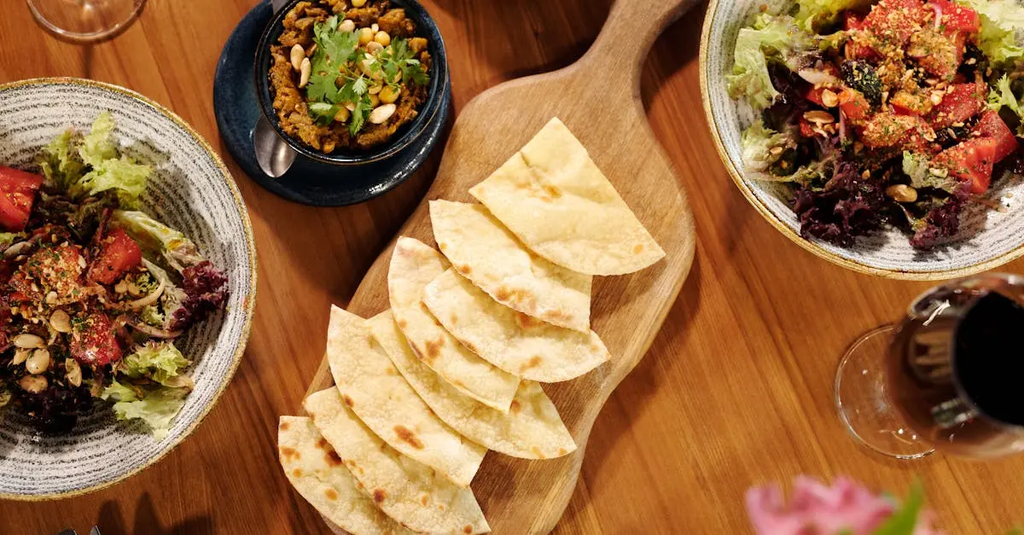
Italian regional cuisine refers to the diverse culinary traditions found throughout Italy’s different regions. Each area boasts unique ingredients, cooking techniques, and signature dishes shaped by local history, geography, and culture. From the rich, creamy risottos of the north to the tomato-based pasta of the south, regional Italian cuisine celebrates local flavors and specialties, offering a vibrant tapestry of tastes that reflect the country’s rich gastronomic heritage.
Italian Regional Cuisine
Italian regional cuisine refers to the diverse culinary traditions found throughout Italy’s different regions. Each area boasts unique ingredients, cooking techniques, and signature dishes shaped by local history, geography, and culture. From the rich, creamy risottos of the north to the tomato-based pasta of the south, regional Italian cuisine celebrates local flavors and specialties, offering a vibrant tapestry of tastes that reflect the country’s rich gastronomic heritage.
💡 Key Takeaways
- Understand how geography, history, and culture shape Italian regional ingredients and dishes.
- Compare northern vs. southern styles, from creamy risottos to regional tomato-based sauces.
- Recognize common regional cooking techniques and signature dishes associated with various regions.
- Appreciate the role of seasonal produce and local markets in defining a region's flavor profile.
❓ Frequently Asked Questions
What defines Italian regional cuisine?
It reflects the diverse culinary traditions across Italy’s regions, shaped by history, geography, climate, and local ingredients, resulting in unique dishes and techniques.
Which region is famous for risotto alla Milanese?
Lombardy, especially Milan; the dish is a saffron-infused, creamy rice dish.
How does northern Italian cooking differ from southern Italian cooking?
The North often uses dairy, butter, and rice with cream-based sauces, while the South favors olive oil, tomatoes, pasta with tomato sauces, and seafood, reflecting different climates and produce.
Why are regional cheeses and cured meats important in Italian cuisine?
They capture local terroir and flavor profiles, anchoring many regional dishes (e.g., Parmigiano-Reggiano from Emilia-Romagna and Pecorino Romano from Lazio/Sardinia).