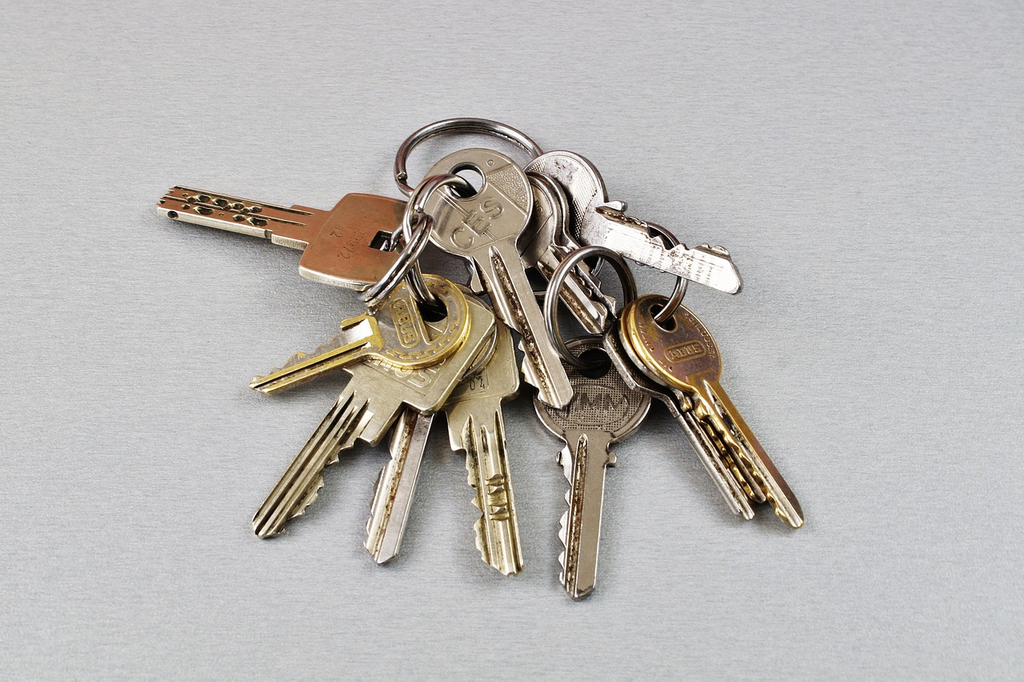
Key Distribution Protocols are essential mechanisms in cryptography that ensure secure sharing of cryptographic keys between parties, enabling confidential communication. The phrase "Daily Essentials (Clocks & Keys)" highlights their everyday importance, likening them to indispensable tools like clocks for timekeeping and keys for access. These protocols synchronize secure access and maintain trust, much like clocks coordinate schedules and keys safeguard valuables, making them fundamental to secure digital interactions.
Key Distribution Protocols
Key Distribution Protocols are essential mechanisms in cryptography that ensure secure sharing of cryptographic keys between parties, enabling confidential communication. The phrase "Daily Essentials (Clocks & Keys)" highlights their everyday importance, likening them to indispensable tools like clocks for timekeeping and keys for access. These protocols synchronize secure access and maintain trust, much like clocks coordinate schedules and keys safeguard valuables, making them fundamental to secure digital interactions.

💡 Key Takeaways
- Understand the purpose of key distribution protocols in securely establishing shared keys between parties.
- Compare symmetric-key distribution with public-key/hybrid approaches and know when each is appropriate.
- Recognize core ideas behind key distribution protocols and examples like Diffie–Hellman, Kerberos, and Needham–Schroeder.
- Identify common security threats to key distribution (replay attacks, man-in-the-middle) and how protocols defend against them (nonces, timestamps, mutual authentication).
- Grasp the trust models and prerequisites (PKI, central authorities, pre-shared keys) used in key distribution schemes.
❓ Frequently Asked Questions
What is a key distribution protocol?
A method for securely sharing cryptographic keys or establishing a shared secret between parties, often with authentication and trust assumptions.
What is the difference between symmetric-key distribution and public-key distribution?
Symmetric-key distribution uses the same secret key shared between parties, typically needing a secure channel. Public-key distribution uses a public/private key pair, allowing anyone to encrypt with the public key while only the holder of the private key can decrypt.
What is Diffie-Hellman key exchange?
A protocol that lets two parties agree on a common secret over an insecure channel, which can be used to derive a session key. It does not provide authentication by itself.
What is a Key Distribution Center (KDC) and how does it help?
In centralized schemes like Kerberos, a KDC issues session keys and tickets to enable secure communication between parties without sharing keys directly.