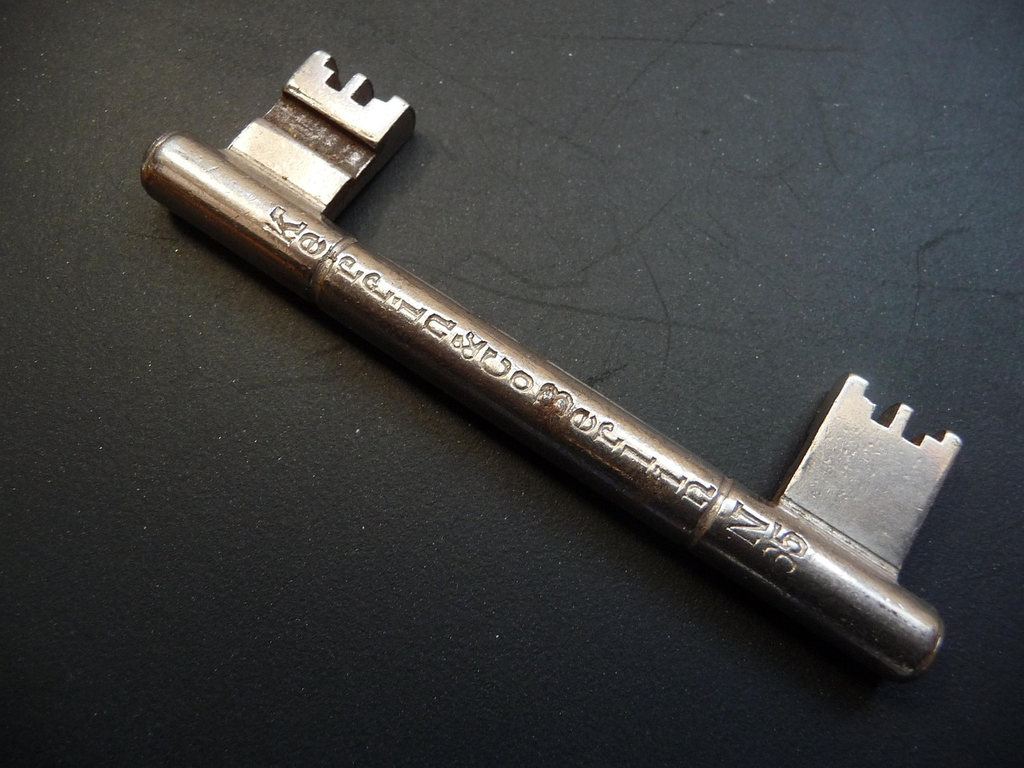
Key Lifecycle Management (Daily Essentials (Clocks & Keys)) refers to the systematic process of handling physical keys and timekeeping devices throughout their usage. This includes issuing, tracking, maintaining, and retiring keys and clocks to ensure security, accountability, and operational efficiency. Proper management helps prevent loss, unauthorized access, and ensures that essential daily tools are available and functional when needed, supporting smooth organizational or facility operations.
Key Lifecycle Management
Key Lifecycle Management (Daily Essentials (Clocks & Keys)) refers to the systematic process of handling physical keys and timekeeping devices throughout their usage. This includes issuing, tracking, maintaining, and retiring keys and clocks to ensure security, accountability, and operational efficiency. Proper management helps prevent loss, unauthorized access, and ensures that essential daily tools are available and functional when needed, supporting smooth organizational or facility operations.

💡 Key Takeaways
- Understand the key lifecycle stages: generation, storage, use, rotation, revocation, and destruction.
- Learn best practices for secure key storage and access control (e.g., key vaults, least privilege).
- Explain how strong key lifecycle management supports data confidentiality, integrity, and compliance.
- Identify common risks in key lifecycle management and how to mitigate them with policies and automation.
❓ Frequently Asked Questions
What is Key Lifecycle Management (KLM)?
The end-to-end process for handling cryptographic keys—from creation to retirement—covering secure storage, use, rotation, revocation, and destruction.
Why is key lifecycle management important?
It reduces data breach risk, helps meet regulatory requirements, and ensures keys are protected and managed consistently.
What are the common stages of a key's lifecycle?
Generation, secure storage/handling, distribution and usage, rotation, revocation, and final destruction.
What is key rotation and when should it occur?
Replacing a key with a new one to limit exposure; rotate on a regular schedule or after suspected compromise or policy changes.