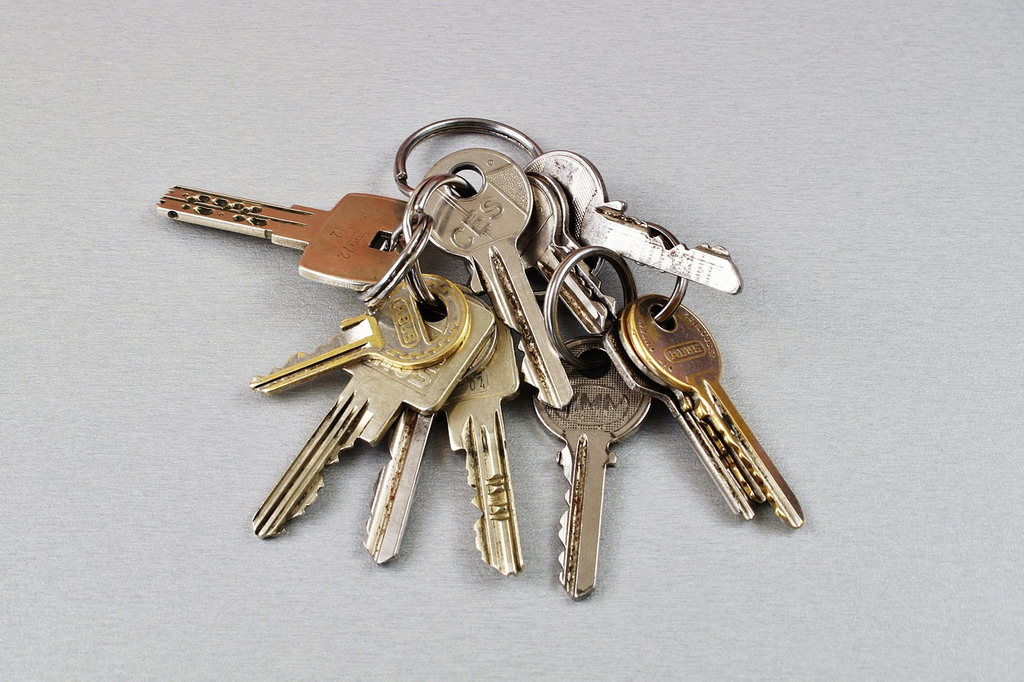
Key Tracking Technologies refer to systems and devices designed to monitor and manage the location and usage of essential items like keys and clocks in daily life. These technologies use methods such as RFID tags, Bluetooth trackers, or smart sensors to ensure keys and clocks are easily located, reducing loss or theft. They enhance security, streamline access control, and improve efficiency in both personal and professional environments.
Key Tracking Technologies
Key Tracking Technologies refer to systems and devices designed to monitor and manage the location and usage of essential items like keys and clocks in daily life. These technologies use methods such as RFID tags, Bluetooth trackers, or smart sensors to ensure keys and clocks are easily located, reducing loss or theft. They enhance security, streamline access control, and improve efficiency in both personal and professional environments.

💡 Key Takeaways
- Identify and categorize key tracking technologies (GPS, RFID/NFC, barcodes, BLE beacons) and common use cases.
- Understand at a high level how each technology transmits data (satellite signals, radio waves, or optical codes) and supports tracking systems.
- Compare strengths and limitations across range, accuracy, power consumption, cost, and environmental suitability.
- Apply knowledge to select appropriate tracking solutions for assets, people, or vehicles while considering privacy and security.
❓ Frequently Asked Questions
What is key tracking technology?
Key tracking technology helps locate and monitor keys or assets using tags, beacons, and software to reduce loss and improve accountability.
What technologies are commonly used for key tracking?
Common options include RFID tags, NFC, Bluetooth Low Energy (BLE) beacons, GPS trackers, and barcodes/QR codes linked to asset management software.
How do RFID and NFC differ?
RFID usually covers longer ranges and often doesn’t require line-of-sight, while NFC is short-range (a few centimeters) and great for quick proximity checks.
Can GPS track keys indoors?
GPS works best outdoors. Indoor tracking typically uses BLE beacons, Wi-Fi proximity, or RFID/NFC for location estimates.
What factors should I consider when choosing a key-tracking method?
Consider range needs, environment (indoors vs outdoors), power source and maintenance, cost, accuracy, security, and whether real-time tracking is required.