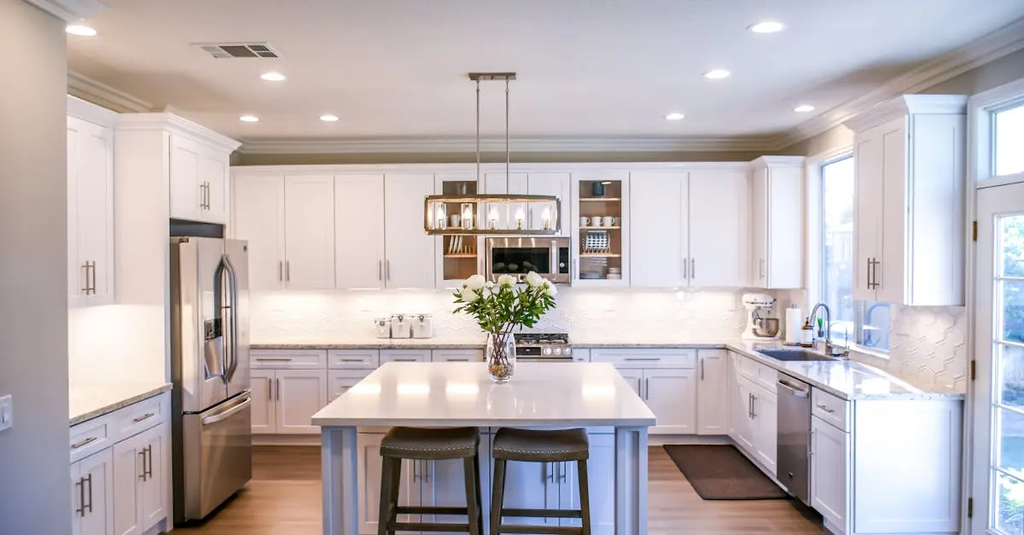
Kitchen design principles refer to the fundamental guidelines used to create functional, efficient, and aesthetically pleasing kitchen spaces. These principles include the work triangle concept, which optimizes the placement of the sink, stove, and refrigerator, as well as considerations for storage, lighting, ventilation, and workflow. Effective kitchen design balances practicality with style, ensuring that the space is both easy to use and visually appealing, while also accommodating the needs and habits of its users.
Kitchen Design Principles
Kitchen design principles refer to the fundamental guidelines used to create functional, efficient, and aesthetically pleasing kitchen spaces. These principles include the work triangle concept, which optimizes the placement of the sink, stove, and refrigerator, as well as considerations for storage, lighting, ventilation, and workflow. Effective kitchen design balances practicality with style, ensuring that the space is both easy to use and visually appealing, while also accommodating the needs and habits of its users.
💡 Key Takeaways
- Understand the work triangle and how the sink, stove, and refrigerator placement affects kitchen workflow.
- Plan zones for prep, cooking, cleaning, and storage to create an efficient layout.
- Use smart storage ideas to maximize cabinets, drawers, and pantry access.
- Consider ergonomics, traffic flow, lighting, and materials to balance aesthetics with usability.
❓ Frequently Asked Questions
What is the work triangle and why is it important in kitchen design?
The work triangle connects the sink, stove, and refrigerator with short, unobstructed paths to minimize walking and improve cooking workflow.
How should storage be organized for efficiency?
Keep frequently used items near prep zones, store pots and pans near the stove, use tall pantries, and use deep drawers to reduce reaching and bending.
What are common kitchen layouts and when should you use them?
L-shaped and U-shaped layouts offer expansive work zones and storage; galley layouts save narrow spaces; island layouts add extra prep space and seating—choose based on space, traffic, and tasks.
What are key ergonomic considerations for a comfortable kitchen?
Aim for counter height around 36 inches, provide knee space and toe-kick room, and position sinks, cooktops, and prep areas within easy reach to reduce bending and strain.
How does lighting affect kitchen usability?
Layered lighting (ambient, task, and accent) reduces shadows, improves safety, and highlights work areas; include under-cabinet lighting for prep surfaces.