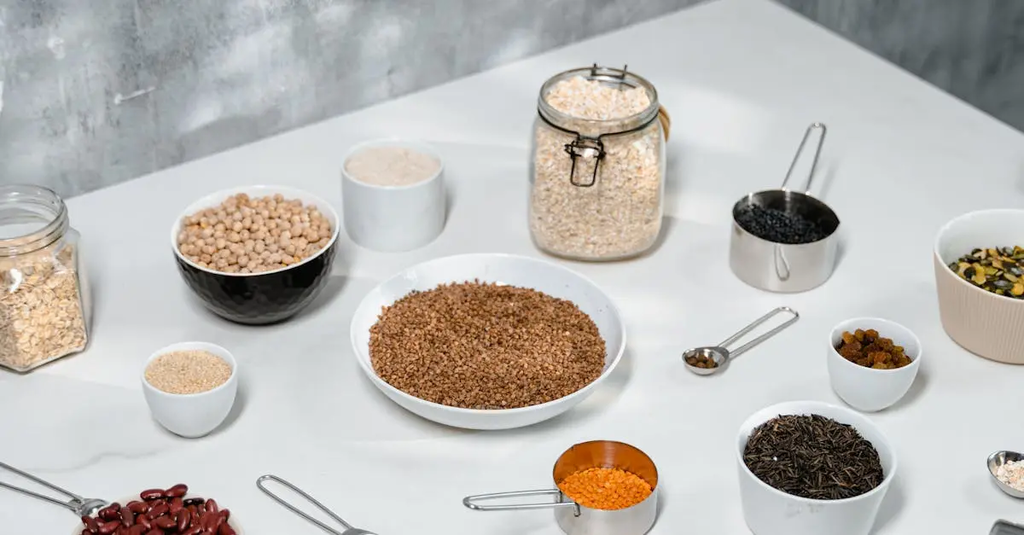
Kitchen Management & Meal Prep: Waste-Free Kitchen refers to organizing your cooking space and meal planning with a focus on minimizing food waste. This involves careful grocery shopping, proper food storage, using leftovers creatively, and composting scraps. Efficient kitchen management ensures ingredients are fully utilized, meals are prepped in advance, and waste is reduced, promoting sustainability and saving money while maintaining a clean, eco-friendly kitchen environment.
Kitchen Management & Meal Prep: Waste-Free Kitchen
Kitchen Management & Meal Prep: Waste-Free Kitchen refers to organizing your cooking space and meal planning with a focus on minimizing food waste. This involves careful grocery shopping, proper food storage, using leftovers creatively, and composting scraps. Efficient kitchen management ensures ingredients are fully utilized, meals are prepped in advance, and waste is reduced, promoting sustainability and saving money while maintaining a clean, eco-friendly kitchen environment.
💡 Key Takeaways
- Understand waste-free kitchen fundamentals and how meal planning reduces scraps.
- Learn smart grocery shopping and portioning to minimize spoilage and overbuying.
- Discover effective food storage, labeling, dating, and rotation to extend freshness.
- Explore creative leftovers and basic composting to recycle kitchen scraps.
❓ Frequently Asked Questions
What is a waste-free kitchen?
A kitchen approach that minimizes food waste through planning, proper storage, smart use of leftovers, and composting.
How can meal planning and grocery shopping reduce waste?
Plan meals for the week, check what you already have, make a precise shopping list, and buy only what you need to prevent spoilage.
What are some key food storage practices to extend freshness?
Use airtight containers, label items with dates, store perishables in the right fridge zones, keep produce in appropriate drawers, and use first-in, first-out when rotating items.
How can leftovers be used creatively to prevent waste?
Reinvent them into new meals (e.g., turning roasted veggies into a frittata or soups, wrapping leftovers in wraps, or adding to bowls) and freeze portions for future use.
What is composting and how do you start at home?
Composting turns kitchen scraps into nutrient-rich soil. Start with a bin, balance greens and browns, maintain moisture, turn the pile occasionally, and follow local guidelines on what can be composted.