Knife skills and cuts refer to the techniques used to handle and manipulate knives safely and efficiently in the kitchen. Mastering these skills allows for precision and consistency when preparing ingredients. Various types of cuts, such as julienne, dice, and chiffonade, are essential for both presentation and ensuring even cooking. Proper knife skills also help prevent accidents and improve overall cooking speed and effectiveness.
Knife Skills and Cuts
Knife skills and cuts refer to the techniques used to handle and manipulate knives safely and efficiently in the kitchen. Mastering these skills allows for precision and consistency when preparing ingredients. Various types of cuts, such as julienne, dice, and chiffonade, are essential for both presentation and ensuring even cooking. Proper knife skills also help prevent accidents and improve overall cooking speed and effectiveness.
💡 Key Takeaways
- Master safe knife grip and hand positioning to control cuts and reduce injuries.
- Identify essential kitchen knives and learn basic sharpening and maintenance for a consistently sharp edge.
- Learn core cuts such as julienne, dice, batonnet, brunoise, and chiffonade to achieve uniform sizes.
- Apply mise en place and cutting techniques to boost speed, precision, and kitchen workflow.
❓ Frequently Asked Questions
What is the proper grip for a chef's knife?
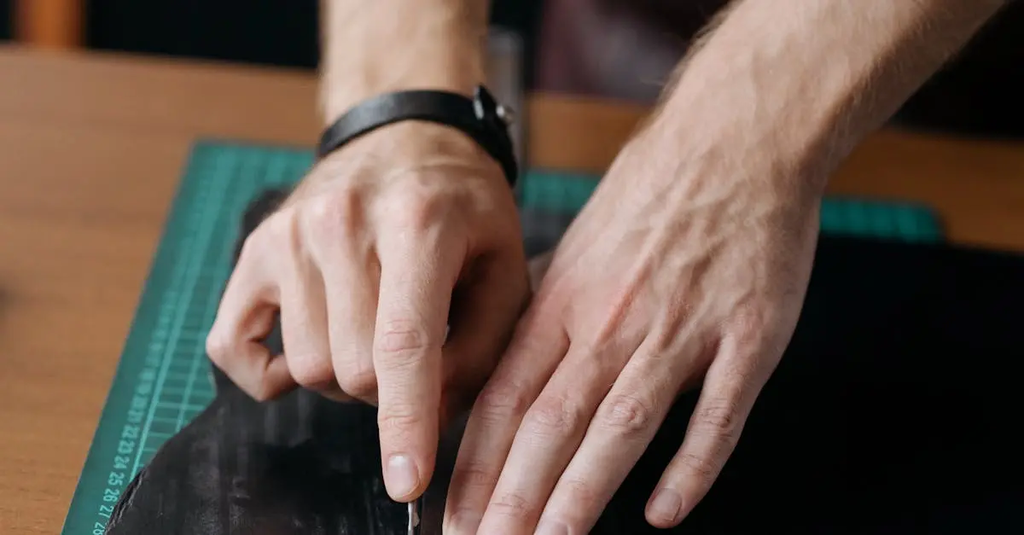
Use a pinch grip: pinch the blade with your thumb and index finger just above the handle, then wrap the remaining fingers around the handle for control.
What is the 'claw' technique and why is it used?
Curl your fingertips inward to form a claw, guiding the food with your knuckles while the blade rests against them. This protects your fingers from the blade.
What is a julienne cut and when is it used?
Julienne is cutting into thin matchstick strips (about 1–2 mm thick, 4–5 cm long). It’s used for even cooking and attractive presentation in vegetables and garnishes.
What is brunoise versus small dice?
Brunoise is a very fine dice (about 1–2 mm cubes). Small dice are larger (about 2–4 mm). Both require uniform pieces for even cooking.
How can you maintain knife safety and keep blades sharp?
Keep blades sharp with regular honing, cut on a stable board, use proper grip and claw posture, wash and dry after use, and store safely.