Lahar flows are fast-moving, destructive mixtures of volcanic ash, debris, and water that surge down the slopes of volcanoes, often triggered by heavy rain or volcanic eruptions. These mudflows can travel at high speeds, engulfing everything in their path, including villages, forests, and infrastructure. Lahars are particularly dangerous because of their unpredictability and immense force, making them one of nature’s most terrifying and devastating natural disasters.
Lahar Flows
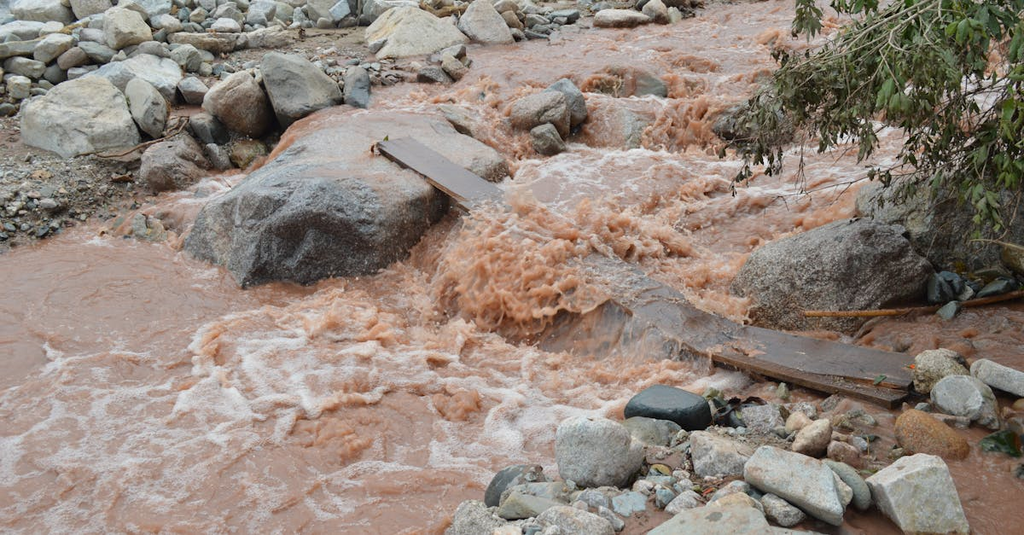
Lahar flows are fast-moving, destructive mixtures of volcanic ash, debris, and water that surge down the slopes of volcanoes, often triggered by heavy rain or volcanic eruptions. These mudflows can travel at high speeds, engulfing everything in their path, including villages, forests, and infrastructure. Lahars are particularly dangerous because of their unpredictability and immense force, making them one of nature’s most terrifying and devastating natural disasters.
💡 Key Takeaways
- Understand what a lahar is and how volcanic debris mixes with water to form fast-moving mudflows.
- Identify the main triggers of lahars, such as volcanic eruptions, heavy rainfall, and snow or glacier melt.
- Recognize typical lahar characteristics, including high density, rapid flow, and sediment-laden water capable of carrying boulders and trees.
- Know safety steps during a lahar: follow early warnings, evacuate along designated routes, and seek higher ground.
- Learn how scientists monitor lahars and how communities reduce risk through hazard maps, barriers, drainage management, and land-use planning.
❓ Frequently Asked Questions
What is a lahar?
A lahar is a volcanic mudflow—an often fast-moving mix of water, volcanic ash, and rock debris that travels down valleys after eruptions, heavy rain, or crater lake overflow.
How do lahars form?
They form when water from rain, melted snow/ice, or a crater lake combines with loose volcanic ash and debris to create a dense, slurry-like flow that moves downslope.
How are lahars different from lava flows or floods?
Lahars are mud-like flows of volcanic debris with water, not molten rock. They behave like moving rivers of slurry and can travel far, unlike lava flows.
What signs indicate a potential lahar risk?
Heavy rainfall after an eruption, rapid snowmelt, rising crater lake levels, sudden changes in river color, or persistent steam/ash near the volcano.
What should you do if a lahar is suspected or imminent?
Move to higher ground away from river valleys, follow official alerts, avoid streams and bridges, and have an evacuation plan.