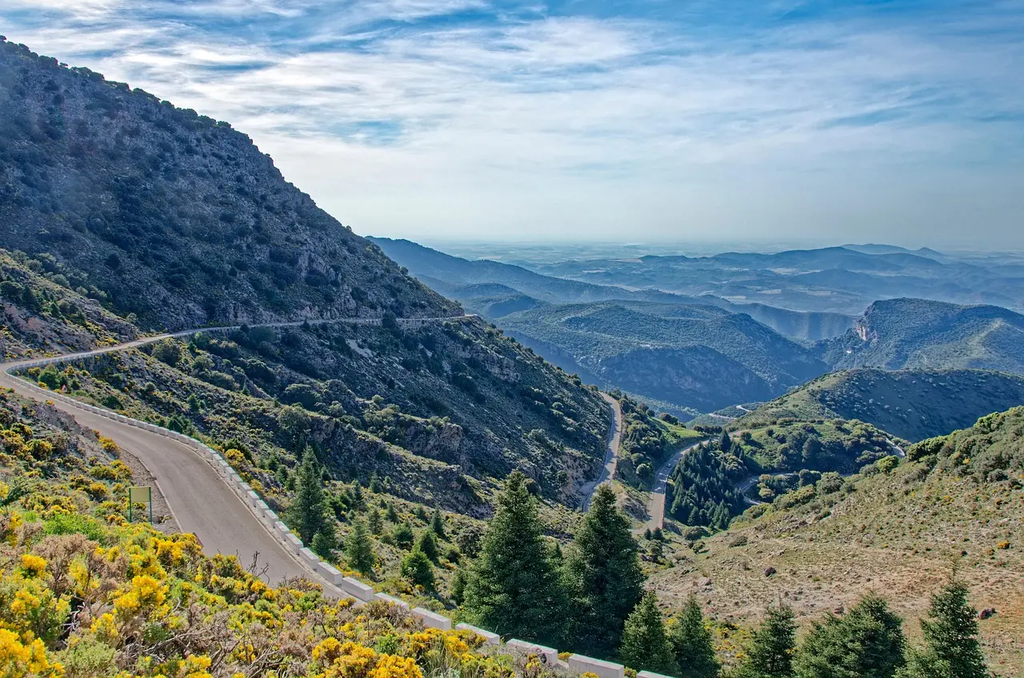
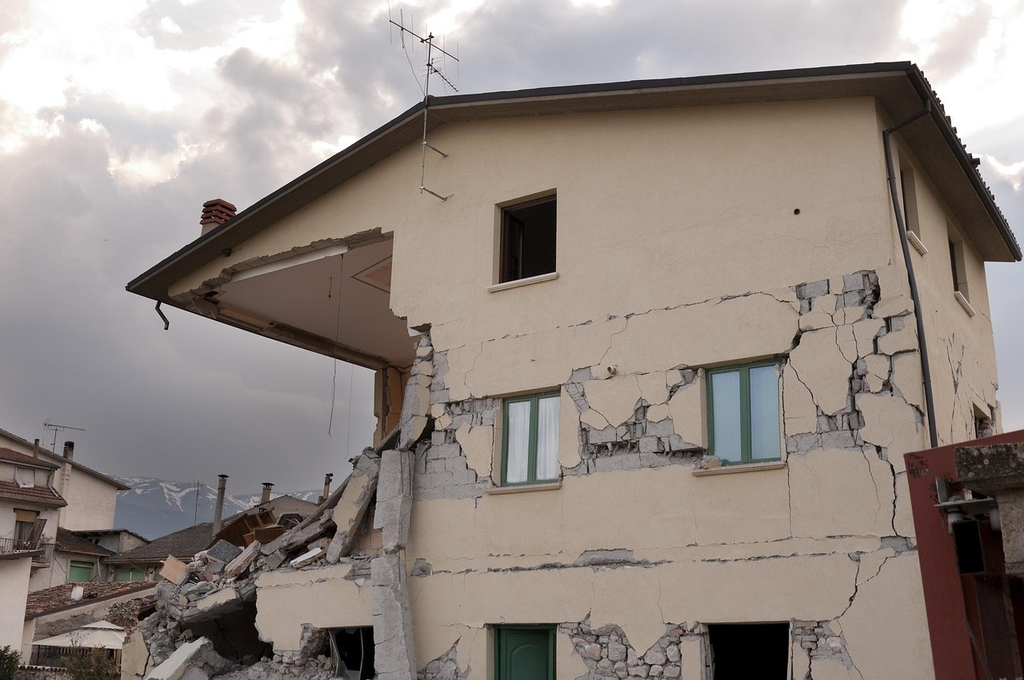
Landslides, often seen as nature’s scary side, occur when rocks, soil, and debris rapidly move down a slope. Triggered by heavy rain, earthquakes, or human activity, they can cause destruction to homes, roads, and landscapes. Landslides not only threaten human lives but also disrupt ecosystems and infrastructure. Their sudden and unpredictable nature makes them especially dangerous, highlighting the immense power and unpredictability of natural forces.
Landslides+50
Landslides, often seen as nature’s scary side, occur when rocks, soil, and debris rapidly move down a slope. Triggered by heavy rain, earthquakes, or human activity, they can cause destruction to homes, roads, and landscapes. Landslides not only threaten human lives but also disrupt ecosystems and infrastructure. Their sudden and unpredictable nature makes them especially dangerous, highlighting the immense power and unpredictability of natural forces.
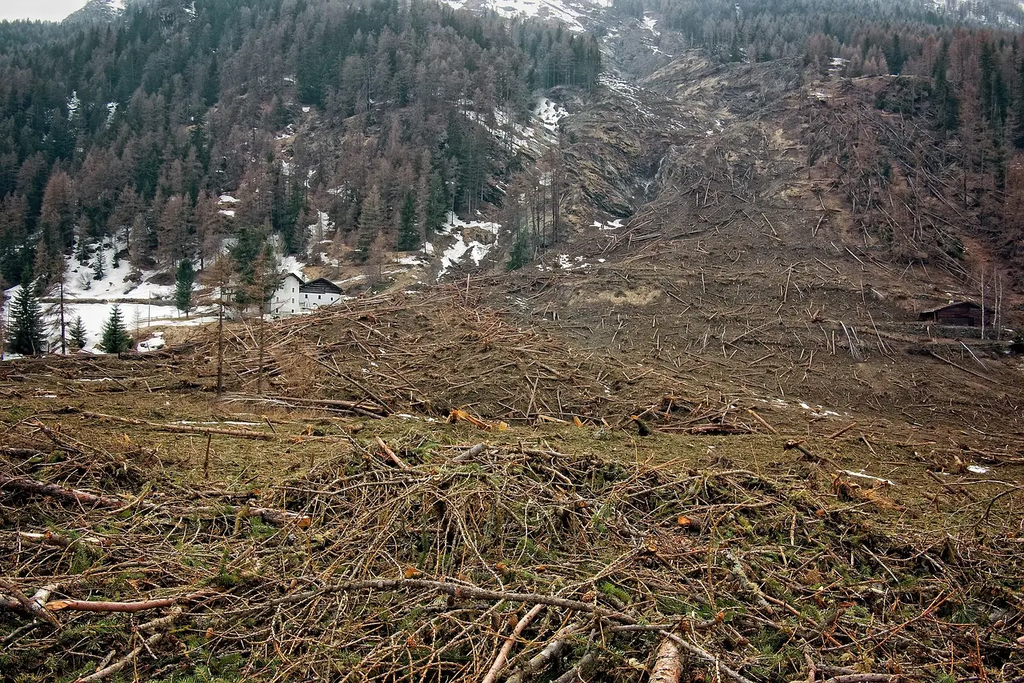
💡 Key Takeaways
- Understand the main causes and triggers of landslides, including heavy rainfall, earthquakes, soil saturation, and erosion.
- Learn the different landslide types (fall, slide, flow, slump) and how they move and initiate.
- Identify common signs of an unstable slope and what to do during a landslide to stay safe.
- Explore practical risk reduction and preparedness measures like proper drainage, slope stabilization, land-use planning, and early warning systems.
❓ Frequently Asked Questions
What is a landslide?
A mass movement of rock, soil, and debris down a slope caused by gravity, often triggered by rain, earthquakes, or erosion.
What typically causes landslides?
Triggers include heavy rainfall or rapid snowmelt, earthquakes, slope erosion or undercutting, deforestation, and human activities that destabilize slopes.
What are the main types of landslides?
Falls, topples, slides (including rock slides and slump), debris flows, earth flows, and complex movements.
How can you stay safe during a landslide?
Follow warnings and evacuate to higher ground away from the slope if advised; avoid rivers and channels where debris can travel; afterward, stay away from unstable areas and heed official updates.