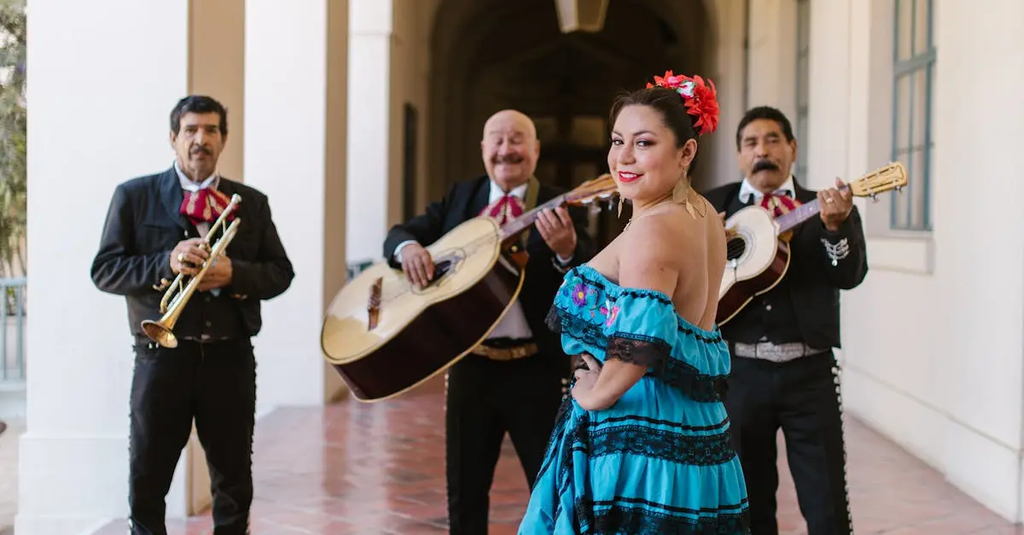
Latin music encompasses a diverse range of musical styles and genres originating from Latin America, Spain, and Portugal, characterized by vibrant rhythms, rich melodies, and cultural fusion. It includes genres such as salsa, reggaeton, bachata, samba, and tango, often featuring instruments like guitars, percussion, and brass. Latin music is celebrated for its energetic beats, passionate vocals, and its significant influence on global music trends, uniting people through dance and shared cultural heritage.
Latin Music
Latin music encompasses a diverse range of musical styles and genres originating from Latin America, Spain, and Portugal, characterized by vibrant rhythms, rich melodies, and cultural fusion. It includes genres such as salsa, reggaeton, bachata, samba, and tango, often featuring instruments like guitars, percussion, and brass. Latin music is celebrated for its energetic beats, passionate vocals, and its significant influence on global music trends, uniting people through dance and shared cultural heritage.
💡 Key Takeaways
- Identify major Latin music genres (salsa, reggaeton, bachata, samba, tango) and where they originate.
- Understand the rhythmic foundations of Latin music, including clave patterns and syncopation, that drive the groove.
- Recognize common instruments and vocal styles that define Latin sounds (guitar, percussion such as congas/bongos, brass, piano).
- Explore how cultural fusion across Latin America, Spain, and Portugal shapes modern Latin music and its global influence.
❓ Frequently Asked Questions
What is Latin music?
Latin music refers to a broad range of styles from Latin America, Spain, and Portugal that blend vibrant rhythms, melodic richness, and cultural influences.
Which regions contribute to Latin music?
Latin America, Spain, and Portugal, with musical roots from African, Indigenous, and European traditions blending together.
Name some popular Latin genres mentioned.
Salsa, reggaeton, bachata, samba, and tango.
What instruments and rhythms are common in Latin music?
Percussion like guiro and conga, guitar or piano, and core rhythms such as the clave or dembow.