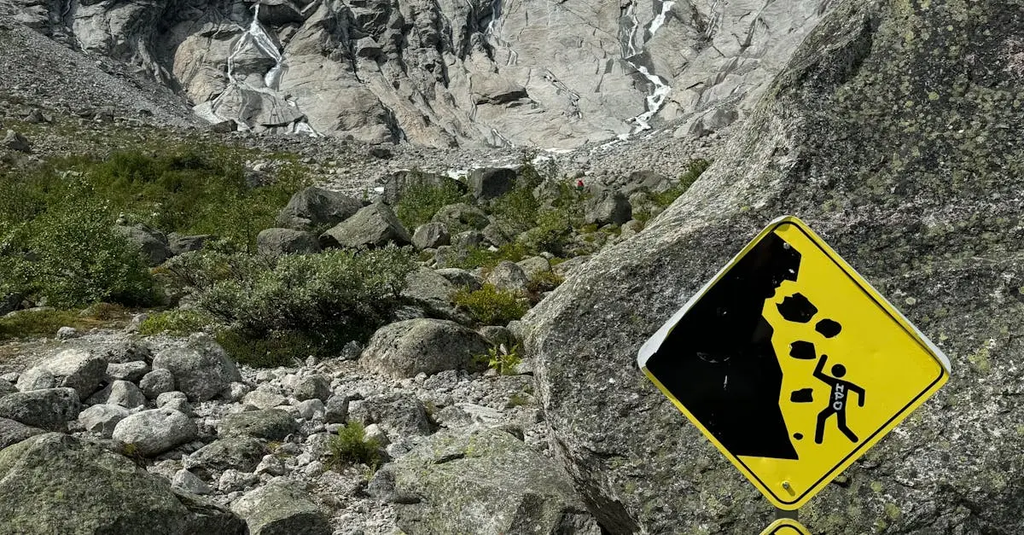
"Leave No Trace in Extreme Environments" refers to the practice of minimizing human impact when visiting fragile or remote natural areas, such as deserts, polar regions, or high mountains. It emphasizes carefully planning, packing out all waste, avoiding disturbance to wildlife, and preserving the pristine condition of these ecosystems. The goal is to ensure that future visitors and local species can enjoy and benefit from these unique and often vulnerable places.
Leave No Trace in Extreme Environments
"Leave No Trace in Extreme Environments" refers to the practice of minimizing human impact when visiting fragile or remote natural areas, such as deserts, polar regions, or high mountains. It emphasizes carefully planning, packing out all waste, avoiding disturbance to wildlife, and preserving the pristine condition of these ecosystems. The goal is to ensure that future visitors and local species can enjoy and benefit from these unique and often vulnerable places.

💡 Key Takeaways
- Apply Leave No Trace principles tailored for extreme environments (deserts, polar regions, high mountains).
- Plan ahead with route, weather, permits, and emergency contingencies to minimize impact and risk.
- Pack out all waste and reduce waste generation; avoid littering or leaving gear behind.
- Respect wildlife and fragile habitats by keeping distance and storing food securely.
- Travel and camp on durable surfaces and minimize campfire impact in sensitive areas.
❓ Frequently Asked Questions
What is Leave No Trace in extreme environments?
Leave No Trace in extreme environments means minimizing human impact by planning ahead, packing out waste, sticking to durable surfaces, and avoiding disturbance to wildlife and delicate habitats.
Why is Leave No Trace especially important in deserts, polar regions, and high mountains?
These areas recover slowly and have scarce resources. Disturbances can have long-lasting effects on ecosystems, wildlife, and water sources, making careful practices essential.
What are practical steps to reduce waste and environmental impact in extreme environments?
Plan ahead, carry out all trash and waste, use reusable gear, minimize packaging, camp on durable surfaces, and avoid creating new trails or disturbing wildlife.
How can you minimize wildlife disturbance and protect fragile ecosystems?
Observe from a distance, do not feed or touch wildlife, store food securely, keep noise to a minimum, and refrain from taking natural objects or altering habitats.