"Legacy and Identity: Preserving Culture amid Modernization" in the context of Chelsea F.C. refers to the club’s efforts to maintain its rich history, traditions, and unique character while adapting to contemporary changes in football. As modernization brings new ownership, global branding, and evolving fan expectations, Chelsea strives to honor its roots, values, and community, ensuring that its cultural identity remains intact despite rapid transformation within the sport.
Legacy and Identity: Preserving Culture amid Modernization
"Legacy and Identity: Preserving Culture amid Modernization" in the context of Chelsea F.C. refers to the club’s efforts to maintain its rich history, traditions, and unique character while adapting to contemporary changes in football. As modernization brings new ownership, global branding, and evolving fan expectations, Chelsea strives to honor its roots, values, and community, ensuring that its cultural identity remains intact despite rapid transformation within the sport.
💡 Key Takeaways
- Understand how modernization can affect cultural legacy and community identity.
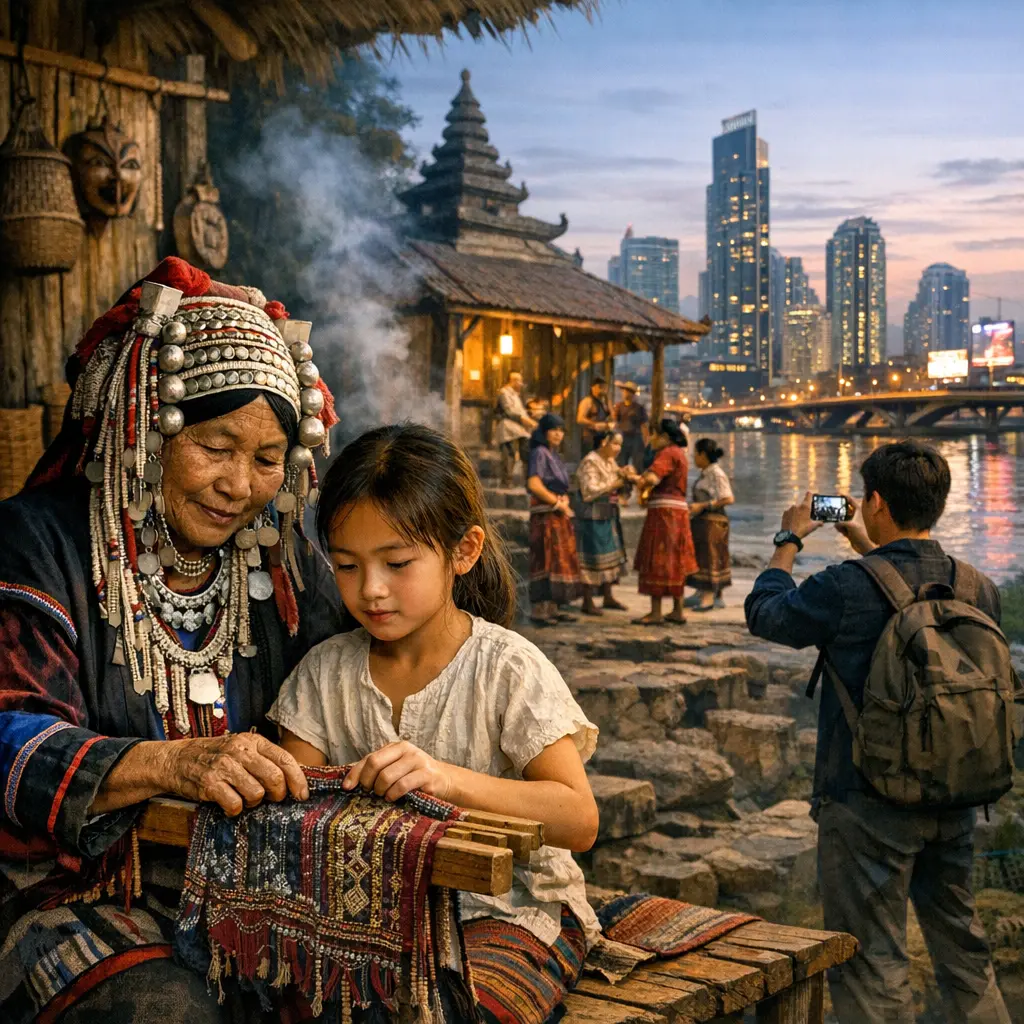
- Identify practical ways to preserve culture—language, arts, rituals, and traditional knowledge—in contemporary society.
- Explore tensions between change and preservation and learn strategies to balance adaptation with authenticity.
- Recognize real-world examples of cultural preservation efforts (oral histories, community archives, festivals) and their impact on identity.
❓ Frequently Asked Questions
What does 'legacy and identity' mean in culture?
Legacy refers to traditions, skills, and knowledge passed down through generations. Identity is how a community defines itself through language, customs, values, and shared memories. Together, they explain why preserving traditions matters amid change.
How can modernization threaten cultural traditions?
Rapid changes like technology, migration, and global media can erode traditional practices or languages if they aren’t supported. Communities can mitigate this by consciously adapting while retaining core cultural elements.
What are effective ways to preserve culture during modernization?
Document and teach traditions to younger generations; support language revival; fund community-led programs and festivals; create digital archives and museums to share heritage; adapt practices without losing their meaning.
Why is preserving culture important for communities?
Preservation provides a sense of belonging and continuity, protects diverse knowledge for future generations, and strengthens social cohesion and pride.