Level design principles are foundational guidelines used to create engaging, balanced, and intuitive game environments. They encompass aspects like flow, pacing, player guidance, and challenge. Blockouts are early, simplified versions of game levels built using basic shapes and placeholders. They allow designers to test layout, scale, and gameplay mechanics before adding detailed art. Together, these concepts ensure levels are both fun to play and functionally sound from the earliest development stages.
Level Design Principles & Blockouts
Level design principles are foundational guidelines used to create engaging, balanced, and intuitive game environments. They encompass aspects like flow, pacing, player guidance, and challenge. Blockouts are early, simplified versions of game levels built using basic shapes and placeholders. They allow designers to test layout, scale, and gameplay mechanics before adding detailed art. Together, these concepts ensure levels are both fun to play and functionally sound from the earliest development stages.
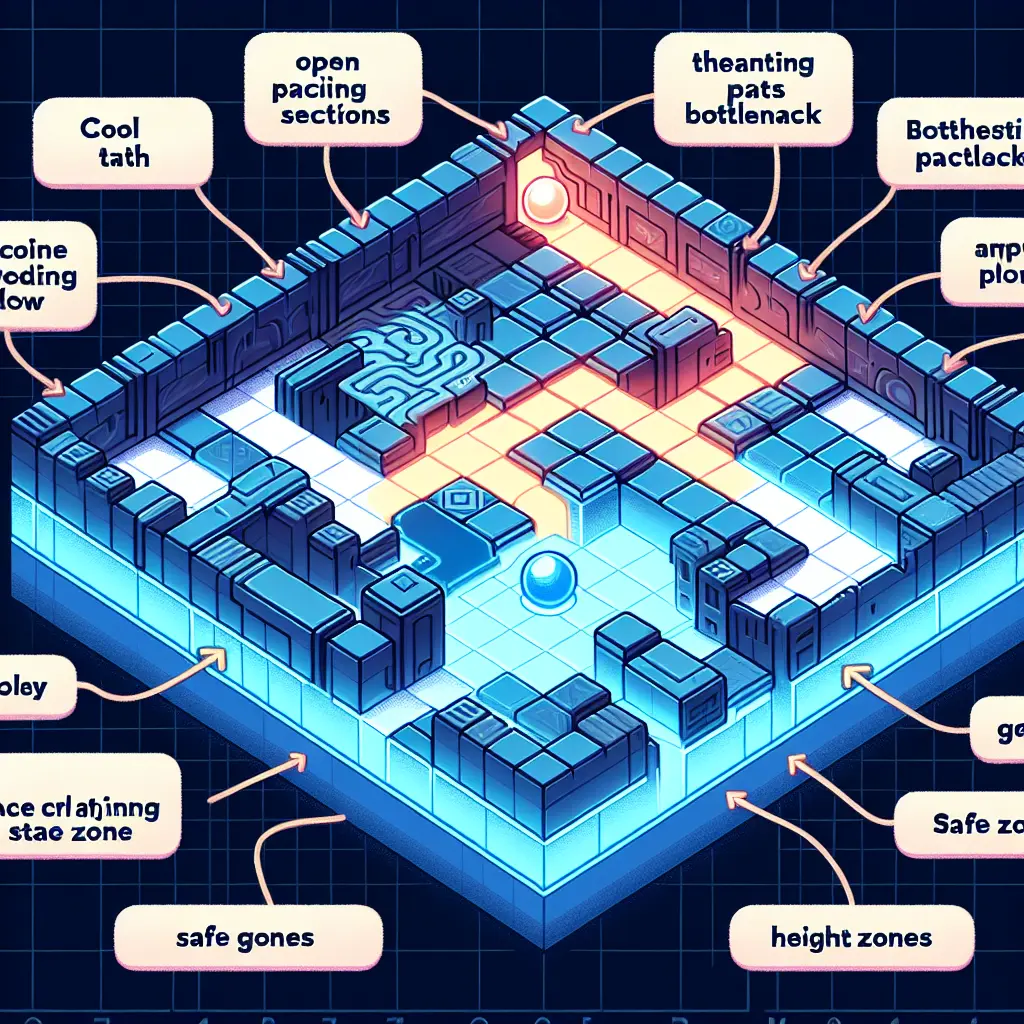
💡 Key Takeaways
- Understand core level design goals: guiding player flow, pacing, and exploration.
- Learn what a blockout is and why it is used in early prototyping.
- Translate design intents into blockout geometry: plan routes, chokepoints, sightlines, and verticality.
- Practice iterative testing of blockouts with playtests and feedback before adding visuals.
❓ Frequently Asked Questions
What is level design?
Level design is the process of planning and building game spaces to guide players, shape pacing, and support gameplay goals.
What is a blockout (graybox) in level design?
A blockout is a rough version of a level using simple shapes to test layout, scale, and traversal before adding artwork and details.
What principles guide level design?
Key principles include pacing and tempo, readability and navigation, clear player guidance with cues and landmarks, meaningful exploration, and modular, reusable layouts.
How do you validate a level design with playtesting?
Have players navigate the space, observe where they get confused or backtrack, gather feedback, and iterate on layout, line-of-sight, and pacing accordingly.