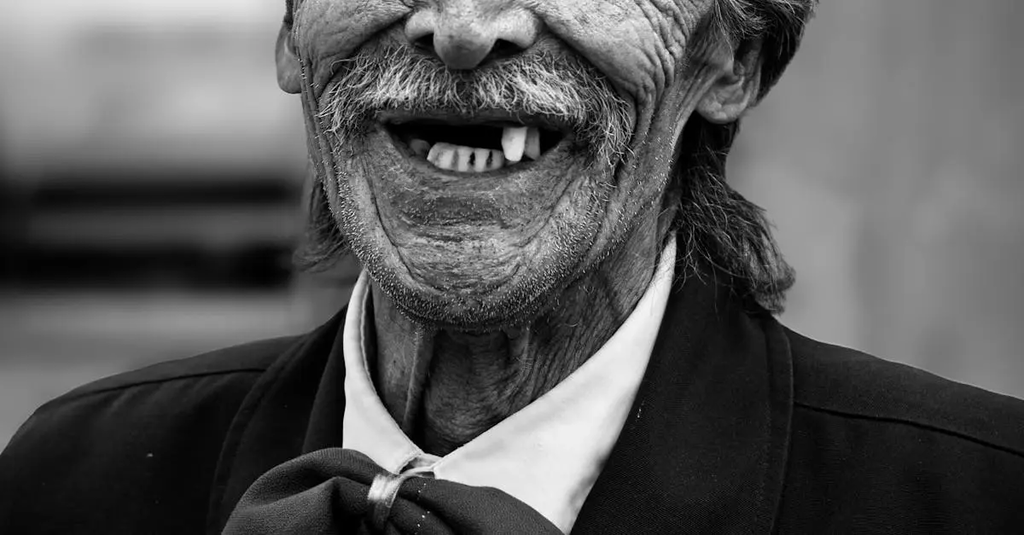
Light and shadow techniques refer to artistic methods used to create depth, dimension, and emphasis in visual compositions. By skillfully manipulating the contrast between illuminated and shaded areas, artists can highlight focal points, suggest texture, and convey mood. These techniques are fundamental in drawing, painting, photography, and cinematography, helping to make subjects appear more realistic and dynamic. Mastery of light and shadow enhances the overall impact and emotional resonance of an artwork.
Light and Shadow Techniques
Light and shadow techniques refer to artistic methods used to create depth, dimension, and emphasis in visual compositions. By skillfully manipulating the contrast between illuminated and shaded areas, artists can highlight focal points, suggest texture, and convey mood. These techniques are fundamental in drawing, painting, photography, and cinematography, helping to make subjects appear more realistic and dynamic. Mastery of light and shadow enhances the overall impact and emotional resonance of an artwork.
💡 Key Takeaways
- Explain how light-dark contrast (chiaroscuro) creates depth and volume in a composition.
- Identify how highlights, midtones, and shadows guide viewer attention and emphasize focal points.
- Recognize key techniques such as chiaroscuro, tenebrism, and sfumato and what they achieve.
- Describe how lighting direction conveys mood and suggests texture and material (e.g., skin, fabric, metal).
❓ Frequently Asked Questions
What are light and shadow techniques in art?
Artistic methods that use illumination and shading to model form, create depth, and guide attention within a composition.
What is chiaroscuro and why is it important?
A technique of strong contrast between light and dark that models volume and heightens drama and mood.
How can value contrast emphasize a focal point?
By making the subject stand out through brighter highlights or deeper shadows against surrounding midtones.
What are cast shadows and form shadows, and how do they differ?
Form shadows are gradual shading on an object's surface; cast shadows are the shadows the object casts on nearby surfaces, helping define space.
How do lighting conditions affect mood in art?
Harsh, high-contrast lighting creates drama; soft, diffused lighting yields calm and subtle modeling; color and shadow quality also influence mood.