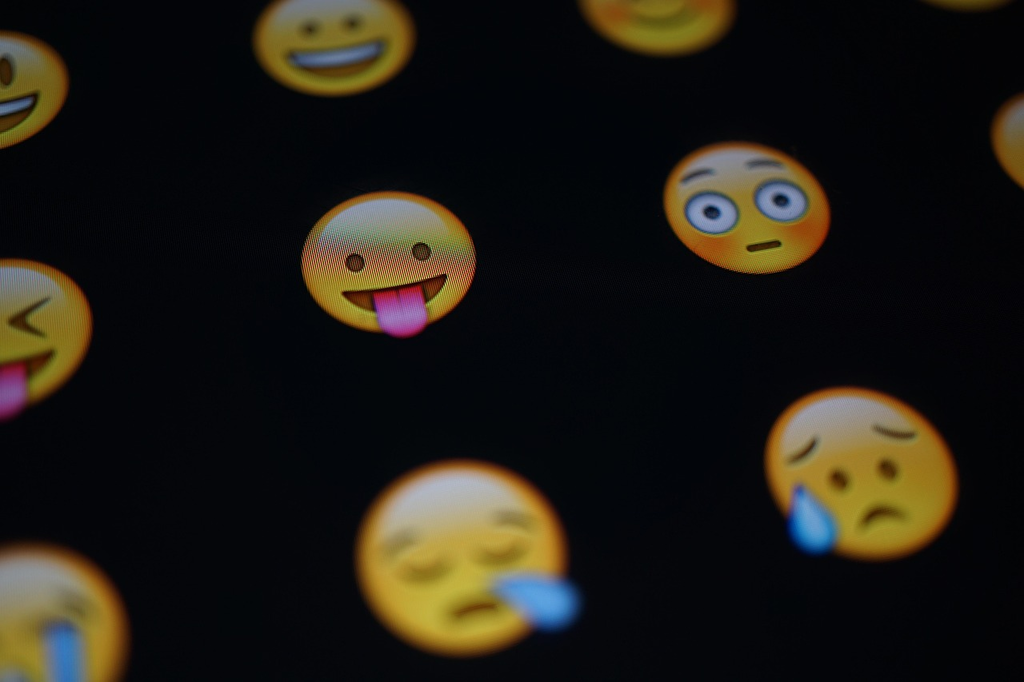
The linguistic analysis of sad emojis, particularly those depicting smiles and tears, explores how these symbols convey complex emotional states in digital communication. By examining usage patterns, context, and accompanying text, researchers uncover how sad emojis express nuanced feelings such as irony, empathy, or mixed emotions. This analysis highlights the evolving role of visual language in supplementing or even replacing traditional verbal cues to enhance emotional clarity and interpersonal understanding in online interactions.
Linguistic Analysis of Sad Emojis
The linguistic analysis of sad emojis, particularly those depicting smiles and tears, explores how these symbols convey complex emotional states in digital communication. By examining usage patterns, context, and accompanying text, researchers uncover how sad emojis express nuanced feelings such as irony, empathy, or mixed emotions. This analysis highlights the evolving role of visual language in supplementing or even replacing traditional verbal cues to enhance emotional clarity and interpersonal understanding in online interactions.

💡 Key Takeaways
- Interpret how sad emojis signal emotion and influence message tone in digital conversations.
- Explore how context, platform, and cultural norms shape the interpretation of sadness emoji usage.
- Analyze emoji variants (e.g., crying, frowning, tears) to understand how they modulate intensity and nuance.
- Apply linguistic frameworks to study sadness in emoji-enabled text, including sentiment analysis and pragmatics.
❓ Frequently Asked Questions
What does the term 'sad emoji' refer to in digital communication?
A Unicode symbol used to express sadness or related emotions in text messages, social posts, or chats; common examples include crying, frowning, or somber faces.
How can context affect the interpretation of a sad emoji?
The same emoji can convey different meanings depending on surrounding text, the relationship between sender and receiver, and platform norms; irony or empathy can shift the reading.
What are common categories of sad emojis and examples?
Facial expressions signaling sadness, such as 😢 Crying Face, 😭 Loudly Crying Face, 😞 Disappointed Face, and 😔 Pensive Face.
How do platform differences influence appearance and meaning of sad emojis?
Emoji designs vary by platform (iOS, Android, Windows), which can affect color, style, and perceived intensity; the same symbol may read differently across apps.
How can you tell if a sad emoji expresses genuine sadness or irony?
Look at the accompanying text and tone, repetition, and the context of the conversation; emoji alone rarely proves sincerity.