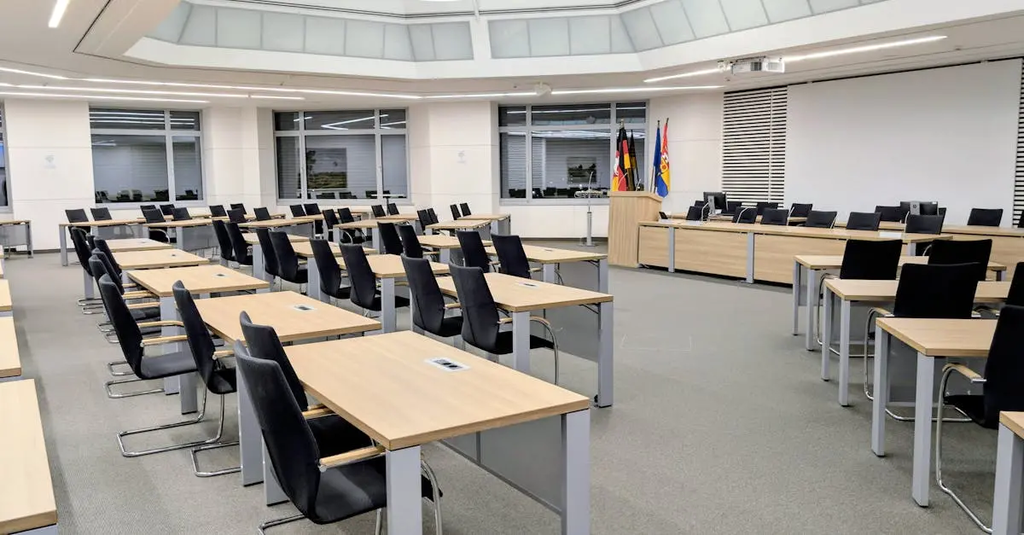
Local government and municipal politics refer to the administration and decision-making processes at the city, town, or district level. These bodies are responsible for providing essential services such as water, sanitation, public safety, and local infrastructure. Municipal politics involves elected officials, such as mayors and councillors, who represent the interests of residents, create local policies, manage budgets, and oversee community development, directly impacting citizens’ daily lives.
Local Government and Municipal Politics
Local government and municipal politics refer to the administration and decision-making processes at the city, town, or district level. These bodies are responsible for providing essential services such as water, sanitation, public safety, and local infrastructure. Municipal politics involves elected officials, such as mayors and councillors, who represent the interests of residents, create local policies, manage budgets, and oversee community development, directly impacting citizens’ daily lives.
💡 Key Takeaways
- Identify the main responsibilities of local government and municipal bodies (water, sanitation, public safety, infrastructure).
- Describe the typical structure of local government (council, mayor/leadership) and how decisions are made at the city or district level.
- Explain how local budgets are planned and funded, and the role of accountability and transparency in service delivery.
- Understand how residents participate in local politics (elections, public consultations) and how citizen input shapes policy.
❓ Frequently Asked Questions
What is local government?
Local government refers to administrative bodies at the city, town, or district level that make policies and deliver services to residents.
What services do municipal governments typically provide?
They provide essential services such as water and sewer, waste collection, street maintenance, policing and fire protection, zoning, housing, parks, and local transportation.
Who makes decisions in municipal politics?
Elected officials, including a mayor or council leader and councilors, make policy decisions and approve budgets, while city staff implement the policies.
How are local budgets funded and spent?
Local governments raise funds through property taxes, fees, and grants. The council approves a budget that allocates money for services, infrastructure, and programs.