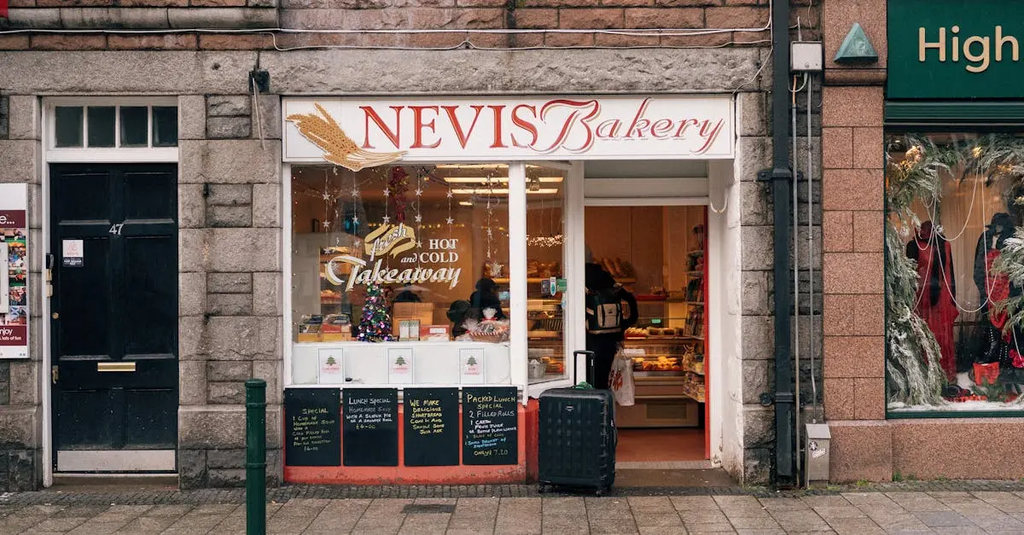
London’s multicultural food influences reflect the city’s diverse population, with cuisines from around the world shaping its culinary landscape. Traditional British dishes coexist alongside vibrant flavors from South Asia, the Caribbean, Africa, the Middle East, and Europe. This fusion is evident in street food markets, restaurants, and home kitchens, making London a global food hub where innovation and tradition blend, offering residents and visitors an unparalleled gastronomic experience.
London multicultural food influences
London’s multicultural food influences reflect the city’s diverse population, with cuisines from around the world shaping its culinary landscape. Traditional British dishes coexist alongside vibrant flavors from South Asia, the Caribbean, Africa, the Middle East, and Europe. This fusion is evident in street food markets, restaurants, and home kitchens, making London a global food hub where innovation and tradition blend, offering residents and visitors an unparalleled gastronomic experience.
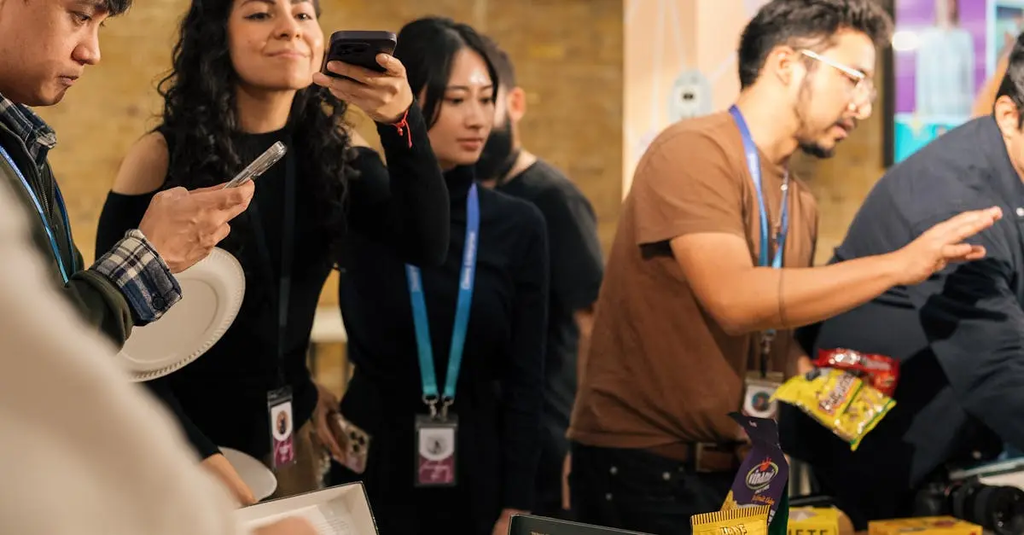
💡 Key Takeaways
- London's food scene reflects its diverse population, with traditional British dishes coexisting alongside global flavors.
- Identify the key global influences in London—South Asian, Caribbean, African, Middle Eastern, and European cuisines—and how they show up in restaurants, markets, and street food.
- Explore how immigration waves and global trade brought new ingredients, spices, and cooking techniques that reshaped British cooking in the city.
- See how neighborhoods and street markets (like Brixton, Whitechapel, and Soho) showcase multicultural foods and foster hybrid, fusion dishes.
- Understand the idea of fusion in London—how chefs and home cooks blend British staples with international flavors and ingredients.
❓ Frequently Asked Questions
What does London's multicultural food influences mean?
It describes how the city's diverse population brings a wide range of global cuisines, ingredients, and cooking styles, creating an international-food landscape in one city.
Which cuisines commonly shape London’s dining scene?
South Asian, Caribbean, African, Middle Eastern, and European cuisines are particularly prominent, alongside evolving influences from East Asia and other regions.
How do traditional British dishes coexist with international flavors?
Menus often feature classics like fish and chips or a Sunday roast alongside curries, stews, and other global-inspired dishes, reflecting fusion and adaptation.
What is fusion cuisine in London’s context?
Fusion combines techniques and ingredients from multiple cuisines to create new, hybrid dishes common in markets, pop-ups, and contemporary restaurants.
How has London's diversity affected markets and everyday eating?
It broadens availability and affordability of diverse foods, drives street-food scenes and markets, and encourages creative, cross-cultural cooking.